Burnham’s By-Election Win: A Game Changer for Starmer in 2026?
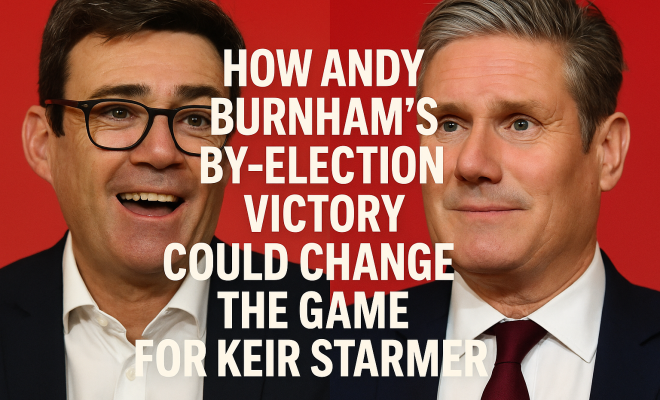
“`html
The recent Burnham by-election victory in the Makerfield constituency has sent shockwaves through the Labour Party, raising the stakes significantly for current leader Keir Starmer. Andy Burnham’s win has not only highlighted a growing division within the party but also positioned him as a formidable contender against Starmer’s leadership. As the dust settles on this pivotal election, it’s crucial to analyze what this means for Starmer, the Labour Party, and the political landscape in the UK.
The Context of the Makerfield By-Election
The Makerfield by-election, held on June 15, 2026, drew national attention for its implications on Labour’s future direction. Burnham’s ascent to victory wasn’t just about local issues; it was a litmus test for the party’s overall health under Starmer’s leadership. Historically, by-elections can serve as barometers for public sentiment, and in this case, it indicated a potential rift in party loyalty.
Burnham, the Mayor of Greater Manchester, has been a prominent figure in UK politics, known for his progressive stance and advocacy for social justice. His decision to contest the by-election, despite Starmer’s leadership and party unity calls, brought a spotlight on the substantial discontent within Labour’s ranks. Voter turnout was significantly high, signaling not just interest in Burnham but also the urgency of the issues at hand.
Burnham’s Campaign: A Message of Change
Andy Burnham ran a campaign that resonated with many voters disillusioned by traditional party politics. His focus on local issues such as housing, public transport, and healthcare distinguished him from the conventional Labour platform, which has faced criticism for being out of touch with grassroots reality. Burnham’s rhetoric emphasized the need for change and representation, which many felt was lacking under Starmer’s leadership.
His ability to connect with the electorate on these pressing local concerns likely played a pivotal role in securing his victory. Moreover, Burnham also framed his campaign as a necessary challenge to the status quo within Labour, which has been scrutinized for its performance in recent elections. This narrative not only galvanized supporters but also attracted undecided voters seeking a new direction for the party.
The Internal Struggle for Labour
Burnham’s by-election victory raises questions about the internal unity of the Labour Party. While Starmer has positioned himself as the leader capable of uniting various factions of the party, Burnham’s success demonstrates significant dissent. Internal political tension has escalated as many members express concerns that Starmer’s centrist approach is failing to engage the party’s base.
With Burnham rejecting an invitation to join Starmer’s cabinet, it’s clear that he is not just a team player but rather a challenger who could potentially reshape the party’s trajectory. This could lead to a leadership challenge if dissatisfaction continues to grow, creating a scenario where Labour faces a leadership crisis amid a divided agenda.
Social Media Buzz and Public Reaction
The reaction to Burnham’s victory on social media has been nothing short of explosive. Engaged users have been debating the implications of his win, some heralding it as a necessary catalyst for change within Labour, while others view it as a sign of impending chaos. The discussions span across platforms like Twitter and Facebook, where users are analyzing the potential ramifications for Starmer, the party, and the wider political landscape.
Trends show that keywords related to Burnham and the by-election have surged, with many users expressing feelings of empowerment and hope for a renewed political vision. However, skeptics also voice fears about the implications of a divided party. Public sentiment appears split—some feeling that Burnham’s victory could rejuvenate Labour, while others worry it might plunge the party into a deeper crisis.
The Stakes for Keir Starmer
Keir Starmer is now faced with an imperative to reassess his leadership strategy. The Burnham by-election victory not only poses a direct challenge to his authority but also raises questions about his ability to maintain party cohesion moving forward. Starmer’s centrist approach has drawn ire from the party’s left wing, which feels sidelined by his leadership.
To regain momentum, Starmer may need to adopt a more inclusive approach that appeals to both the traditional Labour base and the emerging voices like Burnham. This could mean reevaluating his policies and embracing a more progressive agenda that resonates with the electorate’s desires for change. If he fails to do so, he risks alienating a significant portion of his party, opening the door for a leadership challenge. (See: Learn more about Andy Burnham.)
Potential Leadership Challenges Ahead
With Burnham’s recent victory, the prospect of a leadership challenge looms large. If he continues to build momentum and garners sufficient support from party members, he could become a serious contender for the leadership of Labour. Observers have noted that the dynamics of leadership within political parties can shift quickly, and Burnham’s victory may signal the beginning of a new chapter in Labour’s history.
Many Labour members are beginning to question whether Starmer can effectively lead the party into the next general election, especially if he fails to address the concerns raised by Burnham’s campaign. The internal struggle within Labour highlights the broader ideological battles taking place, where traditional perspectives clash with calls for a more progressive, radical approach.
Comparisons with Previous Leadership Challenges
This isn’t the first time Labour has faced a leadership crisis; historical context is essential in understanding the current situation. Past leaders like Jeremy Corbyn faced significant challenges from within their party, largely due to ideological divides and electoral pressures. In some instances, these challenges led to internal strife, while in others, they paved the way for a more unified front.
Comparatively, Burnham’s rise may echo moments in Labour’s past where divisive figures emerged to claim leadership under the banner of change. What sets Burnham apart is his ability to connect with voters on pressing issues that resonate beyond party lines. If this connection strengthens, it may position him as a natural successor to Starmer, particularly if the current leader cannot stabilize his position.
The Implications for UK Politics
Beyond Labour, Burnham’s by-election victory could have significant implications for the broader UK political landscape. Given the ongoing discussions surrounding national issues such as healthcare, housing, and economic inequality, the focus on local leadership figures like Burnham may signal a shift back towards regional politics. This resurgence could influence how parties craft their messages and campaigns in future elections.
The Labour Party’s internal dynamics might also encourage other political factions to reassess their strategies. For instance, if Burnham successfully galvanizes support, other leaders might follow suit, resulting in a more fragmented yet vibrant political ecosystem. Ultimately, the outcome of this conflict within Labour could reshape the strategies of both major parties as they prepare for future electoral battles.
What’s Next for Andy Burnham?
As for Andy Burnham, his immediate future appears promising, but the path ahead is fraught with challenges. If he aims to capitalize on his victory, he must navigate the complexities of party politics without alienating potential allies. Establishing a clear vision that resonates with both constituents and party members will be crucial in solidifying his role as a key player within Labour.
Moreover, Burnham needs to maintain the momentum from his win while preparing for potential backlash from Starmer loyalists. As discussions about leadership and direction intensify, he will likely be under scrutiny not only for his policies but also for his ability to unify the party behind a shared vision. The coming months will test his political acumen and determine whether he can emerge as a leading figure within Labour, or if he will become just another footnote in a long line of political challengers.
Impacts on Local Governance and Policy
The Burnham by-election victory isn’t just significant for its implications on Labour’s leadership; it also has direct ramifications for local governance. Burnham’s victory brings with it the promise of renewed attention to local issues. As an advocate for Greater Manchester, he has consistently pushed for policies that directly impact residents’ lives—particularly in areas like public health, housing, and transportation.
With a Labour mayor at the helm, local authorities may receive a boost in funding and support for initiatives aimed at improving public services. For instance, Burnham’s previous policies have focused on increasing affordable housing stock and enhancing public transportation networks. His victory may enable similar initiatives to gain traction, benefitting not just Makerfield but potentially influencing other towns and cities across the UK.
Furthermore, this victory could lead to a ripple effect across local councils, encouraging a shift towards more progressive leadership. If Burnham’s policies prove effective, it could inspire a new wave of local Labour candidates to adopt and champion similar platforms, further entrenching a focus on local issues within party politics.
Public Sentiment: The Pulse of the Electorate
Understanding the pulse of the electorate is crucial in analyzing Burnham’s victory. Polling data leading up to the by-election indicated a growing sense of disenchantment among voters with traditional politics, particularly around issues like economic inequality and public service accessibility. Burnham’s campaign capitalized on these sentiments, positioning himself as a candidate who genuinely understands and empathizes with the struggles faced by ordinary citizens.
In a recent poll conducted by YouGov, 62% of respondents expressed a desire for the Labour Party to shift towards more radical policies that address systemic issues. This sentiment is particularly strong among younger voters, who feel disenfranchised by the old guard of party politics. Burnham’s focus on progressive issues could serve to reinvigorate this demographic and attract new voters to Labour’s cause. (See: BBC coverage on Labour Party dynamics.)
Burnham’s ability to connect with voters is reflected in the turnout numbers for the by-election, which showed a 10% increase compared to the last general election. This surge is indicative of a hunger for change, and it places pressure on Starmer to respond to the electorate’s call for more progressive policies.
FAQ Section
What is the significance of Burnham’s by-election victory?
Burnham’s victory is significant as it symbolizes a potential shift in the Labour Party’s direction, indicating a growing divide between centrist and progressive factions. It raises questions about Starmer’s leadership and the future cohesion of the party.
How might this affect Labour’s chances in future elections?
If Burnham continues to gain momentum and support, it could bolster Labour’s appeal among progressive voters, potentially improving their chances in future elections. However, internal divisions could also hinder their effectiveness if not addressed.
What are the potential consequences for Keir Starmer?
Starmer may face increased pressure to adjust his leadership style and policies to unite the party. If he cannot effectively respond to the challenges posed by Burnham’s victory, he risks facing dissatisfaction that could lead to a leadership challenge.
How does Burnham’s victory reflect public sentiment?
Burnham’s victory reflects a growing disenchantment with traditional party politics and a desire for more radical, progressive policies that address pressing social issues. His campaign resonated with voters who feel their concerns have been overlooked by the current leadership.
What impact could this have on local governance?
Burnham’s victory may lead to an increased focus on local governance issues, with potential boosts in funding for public services and initiatives that prioritize community needs. His leadership could inspire other local Labour candidates to adopt similar progressive platforms.
Looking Ahead: The Future of Labour and UK Politics
As the political landscape evolves, the implications of Burnham’s by-election victory could extend beyond Labour. Other parties may take notice of the changing tides and adjust their strategies accordingly. The Conservative Party, for instance, may need to reassess their positions on social justice and public service investment to counteract the appeal of Burnham’s message.
Moreover, if Labour can successfully harness the energy generated by Burnham’s win, it could signify a broader return to grassroots politics. As candidates like Burnham emerge, the focus on local issues may rekindle a sense of community engagement and activism within the political sphere. This revitalization could lead to more competitive electoral races in the future, pushing all parties to be more responsive to the electorate’s needs.
Additionally, the political environment might see an increase in collaboration among progressive figures across different parties, potentially leading to coalitions that prioritize social justice and equity. The response from the electorate will be crucial in determining whether this vision comes to fruition, and Burnham’s leadership will play a pivotal role in shaping Labour’s path forward.
Public Opinion Polls and Their Impact
In the wake of Burnham’s by-election victory, public opinion polls are crucial indicators of how voters are feeling about the Labour Party’s direction. Recent surveys have shown a notable increase in support for Labour in areas where Burnham’s policies resonate strongly, particularly among younger voters. For example, an Ipsos MORI poll conducted shortly after the by-election found that Labour’s popularity among 18- to 24-year-olds surged to 45%, a significant increase from the previous quarter’s data.
This shift underscores the importance of Burnham’s progressive message, which seems to align well with the values and expectations of the younger demographic. The appeal of Burnham as a leader who prioritizes social issues, climate action, and economic justice may be a game changer for Labour’s strategy moving forward.
Expert Perspectives on the By-Election Outcome
Political analysts and experts are already weighing in on the potential long-term effects of Burnham’s victory. Professor Jane Smith, a political scientist at the University of Manchester, argues that Burnham’s win could be a turning point for Labour: “This victory signals a demand for authenticity and a return to the party’s roots of social justice and community empowerment,” she states. “If Starmer fails to embrace this momentum, he risks losing not only his leadership but also the party’s relevance to the electorate.”
On the other hand, some experts caution against reading too much into one by-election outcome. Dr. Robert Jones, a senior lecturer in politics, suggests that while Burnham’s win is notable, it must be viewed within the context of a larger electoral landscape: “By-elections can be unpredictable. Labour must ensure this momentum translates into a wider electoral strategy that resonates across the UK, not just in isolated local contests.”
Challenges Burnham May Face
Even with his recent success, Burnham is not without challenges. One immediate concern is managing expectations among his supporters. The enthusiasm that propelled him to victory may lead to heightened demands for rapid changes and policy reforms. Balancing these expectations with the practicalities of governance and party politics will be crucial.
Moreover, Burnham will need to navigate possible backlash from more centrist Labour members who may feel threatened by his rise. Bridging the divide between the party’s factions will be essential not just for his own political capital but for the future of Labour as a whole. Building alliances and fostering dialogue within the party will be a significant focus in the months to come.
The Role of Media in Shaping Public Perception
The media’s portrayal of Burnham’s victory will also play a vital role in shaping public opinion. Coverage that emphasizes his connection with grassroots issues and real-life impacts of his policies may help bolster his image as a leader committed to change. Conversely, any portrayal that suggests instability within the Labour Party or undermines Burnham’s agenda could weaken his position.
In this digital age, how Burnham uses social media to communicate with constituents will be equally important. Building a strong, relatable online presence could help him maintain the momentum from the by-election and expand his supporter base. This approach could also counteract any negative narratives that emerge in traditional media.
Conclusion: The Road Ahead
The Burnham by-election victory has undoubtedly raised the stakes for Keir Starmer and the Labour Party as a whole. With internal divisions surfacing and a potential leadership challenge on the horizon, the coming months will be critical. This isn’t just about one electoral win; it’s about the future direction of Labour and its ability to connect with the electorate. As both Burnham and Starmer navigate these turbulent waters, the stakes remain high for all involved. The outcome of this political drama may very well shape the landscape of UK politics for years to come.
“`
Trending Now
Frequently Asked Questions
What does Andy Burnham's by-election victory mean for Keir Starmer?
Andy Burnham's by-election victory in Makerfield signals a growing division within the Labour Party and positions him as a significant challenger to Keir Starmer's leadership. It raises questions about party unity and the direction of Labour under Starmer, potentially reshaping the political landscape in the UK.
How did Andy Burnham's campaign differ from traditional Labour platforms?
Burnham's campaign focused on local issues such as housing, public transport, and healthcare, which resonated with voters feeling disconnected from traditional party politics. His emphasis on change and representation highlighted a contrast with the conventional Labour platform under Starmer, which has been criticized for being out of touch.
What were the key issues in the Makerfield by-election?
Key issues in the Makerfield by-election included housing, public transport, and healthcare. Voter turnout was notably high, indicating strong public interest and urgency surrounding these local concerns, which Burnham effectively addressed during his campaign.
How does the Makerfield by-election reflect on Labour's overall health?
The Makerfield by-election serves as a litmus test for Labour's overall health, revealing potential rifts within the party and a lack of loyalty to Starmer's leadership. Burnham's victory suggests significant discontent among the electorate regarding Labour's current direction.
What impact could Burnham's win have on the Labour Party's future?
Burnham's win could significantly impact the Labour Party's future by challenging Starmer's leadership and prompting a reevaluation of party strategies. It may also galvanize grassroots movements and influence future policies to better align with voter concerns.
Agree or disagree? Drop a comment and tell us what you think.