The Tech Edvocate

Top Menu

  • Advertisement
  • Apps
  • Home Page
  • Home Page Five (No Sidebar)
  • Home Page Four
  • Home Page Three
  • Home Page Two
  • Home Tech2
  • Icons [No Sidebar]
  • Left Sidbear Page
  • Lynch Educational Consulting
  • My Account
  • My Speaking Page
  • Newsletter Sign Up Confirmation
  • Newsletter Unsubscription
  • Our Brands
  • Page Example
  • Privacy Policy
  • Protected Content
  • Register
  • Request a Product Review
  • Shop
  • Shortcodes Examples
  • Signup
  • Start Here
    • Governance
    • Careers
    • Contact Us
  • Terms and Conditions
  • The Edvocate
  • The Tech Edvocate Product Guide
  • Topics
  • Write For Us
  • Advertise

Main Menu

  • Start Here
    • Our Brands
    • Governance
      • Lynch Educational Consulting, LLC.
      • Dr. Lynch’s Personal Website
      • Careers
    • Write For Us
    • The Tech Edvocate Product Guide
    • Contact Us
    • Books
    • Edupedia
    • Post a Job
    • The Edvocate Podcast
    • Terms and Conditions
    • Privacy Policy
  • Topics
    • Assistive Technology
    • Child Development Tech
    • Early Childhood & K-12 EdTech
    • EdTech Futures
    • EdTech News
    • EdTech Policy & Reform
    • EdTech Startups & Businesses
    • Higher Education EdTech
    • Online Learning & eLearning
    • Parent & Family Tech
    • Personalized Learning
    • Product Reviews
  • Advertise
  • Tech Edvocate Awards
  • The Edvocate
  • Pedagogue
  • School Ratings

logo

The Tech Edvocate

  • Start Here
    • Our Brands
    • Governance
      • Lynch Educational Consulting, LLC.
      • Dr. Lynch’s Personal Website
        • My Speaking Page
      • Careers
    • Write For Us
    • The Tech Edvocate Product Guide
    • Contact Us
    • Books
    • Edupedia
    • Post a Job
    • The Edvocate Podcast
    • Terms and Conditions
    • Privacy Policy
  • Topics
    • Assistive Technology
    • Child Development Tech
    • Early Childhood & K-12 EdTech
    • EdTech Futures
    • EdTech News
    • EdTech Policy & Reform
    • EdTech Startups & Businesses
    • Higher Education EdTech
    • Online Learning & eLearning
    • Parent & Family Tech
    • Personalized Learning
    • Product Reviews
  • Advertise
  • Tech Edvocate Awards
  • The Edvocate
  • Pedagogue
  • School Ratings
  • Unbelievable: This One Ad Sparked Mass Fury — And It’s Not What You Think

  • Urgent: 25,000 Dressers Recalled on Amazon, Wayfair – A Fatal Flaw You Need to Know

  • This Wild AI Startup Feud Is Exposing the Dark Side of Viral Marketing

  • Unbelievable: Judges Just Upheld the Trump Blacklisting of a Major AI Startup

  • The Scandalous PapaSmithy Apology: Why Fans Are Still Furious About FlyQuest’s Controversial Video

  • Macau Gaming Dispute Escalates to Classroom Knife Attack: A Troubling Warning

  • School Surveys & Student Privacy: A Parent Guide for 2026

  • The Billion-Dollar Blunder: Why AI Detection Software Is Failing Our Students

  • China’s 5-Minute EV Charge: The Staggering Truth America Ignores

  • This Astonishing Nikon AI Controversy Exposes Science’s New Frontier

Tech News
Home›Tech News›AI Tools & Climate Change Education: Challenges & Opportunities

AI Tools & Climate Change Education: Challenges & Opportunities
By Matthew Lynch
May 6, 2026
0
Spread the love

Introduction

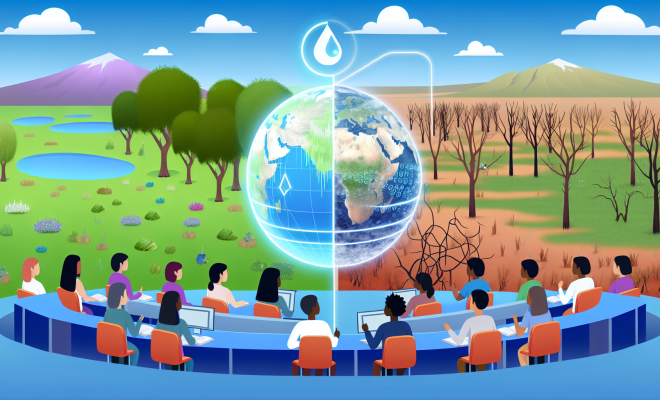
In an era where artificial intelligence technologies like ChatGPT are becoming common tools in education, teaching climate change presents both challenges and opportunities. Educators across the globe are grappling with the complexities of integrating AI into their curriculum while ensuring that students grasp the urgency and significance of the climate crisis. The need to balance the benefits of AI with its environmental impact has sparked critical discussions about responsibility and the role of technology in shaping public discourse around climate issues.

The Rise of AI in Education

AI has undoubtedly revolutionized the education sector. Tools such as ChatGPT can assist educators in generating content, providing instant feedback, and facilitating interactive learning experiences. However, this innovation comes with a caveat. As highlighted in a recent article by the American Association of University Professors, educators are facing the dual challenge of using AI effectively while combatting the misinformation that can arise from its use.

AI’s Role in Spreading Misinformation

The capacity for AI to disseminate information rapidly is both a blessing and a curse. Misinformation about climate change can spread just as quickly, making it essential for educators to teach students critical thinking skills. This is particularly important in the context of climate narratives, where misconceptions can lead to apathy or misguided action. The responsibility lies with educators to equip students not only with knowledge but also with the tools to discern credible sources.

The Environmental Cost of AI

While AI has the potential to transform education and enhance teaching climate change, it also poses significant environmental challenges. Google’s sustainability report reveals a staggering 48 percent increase in the company’s greenhouse gas emissions since 2019. This increase is primarily attributed to the energy-intensive data centers that support AI and cloud services.

The Contradiction of Tech Giants

This contradiction—where tech companies promote sustainability initiatives while simultaneously increasing their carbon footprint—has sparked intense debates on social media. Many climate activists and educators are questioning the ethical implications of relying on technologies that may contribute to environmental degradation even as they seek to educate others about climate change.

The Emotional Impact of Teaching Climate Change

Integrating discussions of AI’s role in climate change into the curriculum can evoke strong emotional responses from students and educators alike. The topic forces individuals to confront their personal tech use and its planetary impacts. This emotional engagement is critical in motivating change and fostering a deeper understanding of the climate crisis.

Creating a ‘Fear of Missing Out’

As educators and activists highlight the connection between personal technology and global environmental issues, a powerful sense of ‘fear of missing out’ is emerging. Students are eager to understand how AI shapes climate narratives and how they can contribute to solutions. This urgency can drive engagement but also creates pressure to stay informed and active in the face of overwhelming challenges.

Strategies for Effective Climate Change Education

Given the complexities of teaching climate change in the age of AI, educators must adopt innovative strategies to engage their students effectively. Here are some approaches that can enhance learning outcomes:

  • Incorporate Critical Thinking: Encourage students to analyze information critically, especially when using AI tools. Teach them to evaluate sources, question narratives, and seek diverse perspectives.
  • Leverage AI Responsibly: Use AI tools like ChatGPT to enhance the learning experience but remain vigilant about the potential for misinformation. Educators can model responsible use by curating information and guiding discussions.
  • Highlight Real-World Impacts: Connect classroom discussions to real-world events and examples. Use case studies and current events to illustrate the direct impacts of climate change and the role of technology in both exacerbating and addressing these challenges.
  • Foster Collaborative Learning: Encourage group projects that require interdisciplinary approaches, combining technology, science, and social studies. This collaboration can promote a holistic understanding of climate issues.
  • Engage with Experts: Bring in guest speakers from climate science, technology, and activism to provide students with varied insights and inspire action.

Conclusion

As the climate crisis continues to escalate, the importance of teaching climate change cannot be overstated. The rise of AI tools like ChatGPT presents both opportunities and challenges for educators. By grappling with the implications of AI, educators can foster a more informed and proactive generation of students. While AI can enhance the learning experience, it is crucial to remain aware of its environmental impact and to teach students how to navigate the digital landscape responsibly. Ultimately, the goal is to create a generation equipped with the knowledge, skills, and ethical considerations necessary to confront the climate crisis and advocate for sustainable solutions.


Previous Article

7 Alarming Signs: Amazon Basin Nears Climate ...

Next Article

AI in Education: Challenging Critical Thinking Skills

Matthew Lynch

Related articles More from author

  • Tech News

    Billion-Dollar Breach: Global Cyberattack Exposes Billions

    August 2, 2026
    By Matthew Lynch
  • Tech News

    Master the Thruster: Boost Strength & Endurance

    July 2, 2026
    By Matthew Lynch
  • Tech News

    How to defer JavaScript loading WordPress

    June 25, 2026
    By Matthew Lynch
  • Tech News

    Spotify for Artists mobile app features

    August 13, 2026
    By Matthew Lynch
  • Tech News

    Craft Your Own Vintage: A Guide to Homemade Wine

    July 10, 2026
    By Matthew Lynch
  • Tech News

    Starmer’s Washington Visit: Bolstering NATO Amid Russian Threats

    April 7, 2026
    By Matthew Lynch

Search

Login & Registration

  • Log in
  • Entries feed
  • Comments feed
  • WordPress.org

Newsletter

Signup for The Tech Edvocate Newsletter and have the latest in EdTech news and opinion delivered to your email address!

About Us

Since technology is not going anywhere and does more good than harm, adapting is the best course of action. That is where The Tech Edvocate comes in. We plan to cover the PreK-12 and Higher Education EdTech sectors and provide our readers with the latest news and opinion on the subject. From time to time, I will invite other voices to weigh in on important issues in EdTech. We hope to provide a well-rounded, multi-faceted look at the past, present, the future of EdTech in the US and internationally.

We started this journey back in June 2016, and we plan to continue it for many more years to come. I hope that you will join us in this discussion of the past, present and future of EdTech and lend your own insight to the issues that are discussed.

Newsletter

Signup for The Tech Edvocate Newsletter and have the latest in EdTech news and opinion delivered to your email address!

Contact Us

The Tech Edvocate
910 Goddin Street
Richmond, VA 23231
(601) 630-5238
[email protected]

Copyright © 2026 Matthew Lynch. All rights reserved.