7 Alarming Signs: Amazon Basin Nears Climate Collapse
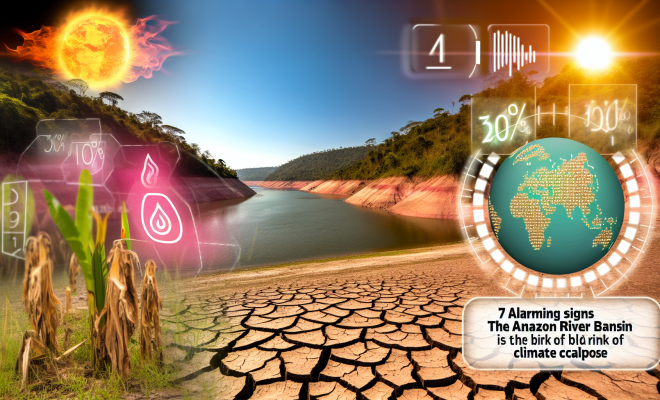
The Amazon River Basin, often referred to as the lungs of our planet, is facing unprecedented challenges due to climate change and deforestation. Recent studies and reports bring to light how these factors contribute to increasingly volatile rainfall patterns that threaten both local ecosystems and global climate stability. As scientists warn that the Amazon may be approaching a critical tipping point, the urgency for climate action becomes clearer than ever.
The Importance of the Amazon River Basin
Home to the largest rainforest on Earth, the Amazon River Basin spans across several countries in South America, including Brazil, Peru, Colombia, and Venezuela. It covers an estimated area of over 5.5 million square kilometers and is vital for maintaining global biodiversity, carbon storage, and climate regulation.
With approximately 390 billion individual trees, the Amazon is a treasure trove of biodiversity, housing around 10% of all known species on the planet, including 2.5 million insect species, tens of thousands of plant species, and numerous mammals, birds, and reptiles. The Amazon River itself is the second-longest river in the world and plays a fundamental role in the regional water cycle, contributing to rainfall patterns far beyond its borders.
Climate Change: A Growing Threat
Climate change is rapidly altering the delicate balance of the Amazon ecosystem. Rising temperatures have resulted in altered precipitation patterns, leading to intense dry periods followed by extreme rainfall events. This variability in rainfall not only impacts the flora and fauna of the region but also affects local communities that depend on a predictable climate for agriculture, fishing, and other livelihoods.
Scientists have observed a trend towards more frequent droughts, which are exacerbated by deforestation. These droughts can lead to a vicious cycle where decreased rainfall fosters more deforestation, which in turn decreases the rainforest’s capacity to store carbon and regulate the climate.
Deforestation Rates: An Alarming Trend
Despite increased international pressure for conservation efforts, deforestation rates in the Amazon River Basin remain alarmingly high. In recent years, reports indicate that vast swathes of the forest have been cleared for agricultural expansion, logging, and infrastructure development. Between 2000 and 2021, Brazil alone lost about 17% of its Amazon rainforest, with the rate of deforestation accelerating since 2019.
The consequences of this loss extend far beyond the immediate environmental impact. Deforestation not only contributes to climate change by releasing stored carbon dioxide but also threatens the livelihoods of Indigenous communities and local populations who rely on the forest for sustenance and cultural identity.
The Tipping Point: From Rainforest to Savanna
Researchers are raising alarms about the Amazon approaching a tipping point where large areas could transition from lush rainforest to dry savanna. This shift could lead to a drastic reduction in biodiversity, as many species will be unable to adapt to the new environment. Moreover, the loss of forest cover would significantly decrease the Amazon’s ability to act as a carbon sink, thereby worsening global climate change.
Experts estimate that if deforestation continues at the current rate, up to 50% of the Amazon could transition to savanna within the next few decades. This transformation would not only disrupt the ecological balance but also have profound implications for global carbon emissions.
Indigenous Peoples: Guardians of the Forest
Local Indigenous communities play a critical role in preserving the Amazon River Basin. These groups have lived in harmony with the forest for centuries, holding invaluable knowledge of sustainable practices and biodiversity. However, they are often on the front lines of environmental loss, facing displacement and threats to their way of life as commercial interests encroach upon their lands.
Indigenous leaders have become vocal advocates for environmental protection, emphasizing the need for a collaborative approach to conservation that includes their voices and expertise. Initiatives led by these communities have proven effective in safeguarding large areas of the rainforest, as their traditional practices often promote ecological health and resilience.
The Role of Technology in Climate Action
In the face of these urgent challenges, technology has emerged as a powerful ally in the fight against the impacts of climate change in the Amazon River Basin. Remote sensing, satellite imagery, and machine learning are being employed to monitor deforestation and track changes in land use. These tools allow researchers and conservationists to respond more rapidly to threats, facilitating more effective action.
Furthermore, social media has amplified the voices of both scientists and activists, raising awareness and mobilizing support for conservation efforts. Emotional imagery of drying rivers, wildfires, and displaced wildlife has fueled viral discussions about corporate responsibility, consumer choices, and the need for individual action against climate change.
Global Implications of Amazon River Basin Climate Change
The impacts of climate change in the Amazon River Basin extend far beyond South America. As one of the largest carbon sinks in the world, the Amazon plays a critical role in regulating Earth’s climate. The loss of vast areas of rainforest could lead to an increase in global temperatures, intensified weather patterns, and a greater frequency of natural disasters.
Moreover, the decline in biodiversity could disrupt ecosystem services that are essential for human survival, including clean water, pollination, and food security. The ripple effects of Amazon River Basin climate change could jeopardize the well-being of millions of people, particularly those in vulnerable regions already facing the brunt of climate impacts.
Calls for Action: What Can Be Done?
- Strengthening Conservation Policies: Governments and international organizations must prioritize the establishment and enforcement of conservation policies that protect the Amazon.
- Supporting Indigenous Rights: Protecting the rights of Indigenous peoples is crucial for effective conservation. Their knowledge and stewardship are invaluable in preserving the forest.
- Promoting Sustainable Practices: Transitioning to sustainable agricultural practices and reducing reliance on destructive land-use methods can significantly mitigate deforestation.
- Investing in Restoration: Restoration projects aimed at reforesting degraded areas can help restore biodiversity and carbon storage capacity in the Amazon.
- Raising Awareness: Public awareness campaigns can mobilize support for conservation efforts and encourage responsible consumer choices that benefit the environment.
The Future of the Amazon: Hope Amidst Challenges
While the situation in the Amazon River Basin is dire, there is still hope. Growing global awareness about the importance of preserving this vital ecosystem is leading to increased support for conservation initiatives. Collaborative efforts between governments, NGOs, and Indigenous communities are showing promise in protecting and restoring the forest.
Innovative solutions, such as eco-friendly agriculture and community-led conservation projects, are paving the way for a sustainable future. As more people become aware of the interconnectedness of their actions and the health of the Amazon, there is potential for meaningful change.
A Call to Action
Climate change in the Amazon River Basin is an urgent issue that demands immediate attention. It is a critical moment for global citizens to advocate for policies that protect this irreplaceable ecosystem, support Indigenous rights, and promote sustainable practices. The fate of the Amazon, its biodiversity, and its role in global climate stability hangs in the balance.
As we move forward, let us remember that the Amazon is not just a distant rainforest; it is a vital part of our planet’s health, and its protection is essential for our own survival. The time to act is now.