AI in Education: Revolutionizing Teaching & Empowering Educators
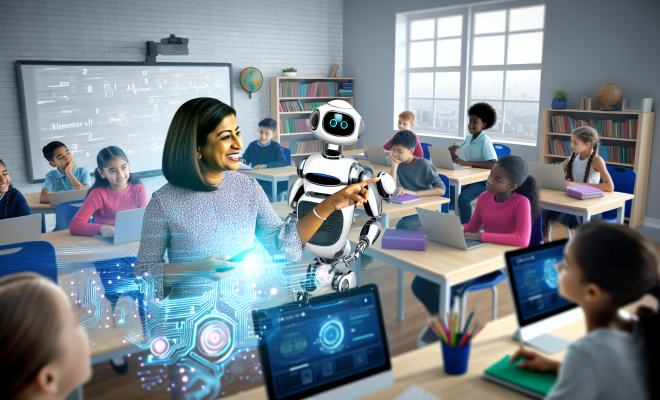
The advent of AI in education has sparked a profound transformation in teaching practices, offering unprecedented tools that empower educators while igniting fierce debates about the future of their profession. As Teacher Appreciation Week unfolds, discussions surrounding the role of artificial intelligence in the classroom have become increasingly relevant. This article delves into the multiple dimensions of AI’s impact on education, focusing on how it affects the invaluable work that teachers do.
Understanding AI’s Role in Education
Artificial intelligence has emerged as a potent ally for educators by streamlining various administrative and instructional tasks. AI tools can now draft lesson plans, create supplemental resources, design presentations, and generate quizzes—activities that traditionally consumed a significant amount of teachers’ preparation time. In this context, AI does not merely serve as a replacement for educators but rather as a facilitator that enhances their productivity.
The Benefits of AI for Educators
- Time-Saving Resources: AI tools can automate routine tasks, allowing teachers to focus on developing deeper relationships with their students.
- Customized Learning: AI can analyze student performance in real-time, enabling personalized learning experiences that cater to individual needs.
- Enhanced Engagement: By providing interactive and innovative resources, AI can foster increased student engagement and motivation.
- Professional Development: AI can assist in the ongoing training and development of teachers by offering insights and resources tailored to their professional growth.
Job Security Concerns: A Double-Edged Sword
Despite the numerous advantages that AI in education offers, it has raised crucial concerns regarding job security among teachers. The anxiety stems from the fear that increased automation could render traditional teaching roles obsolete. Social media and education forums are rife with discussions that paint a polarized picture: on one side, advocates argue that AI will enhance educational delivery, while on the other, some fear it may threaten job stability.
Navigating the Emotional Landscape of AI Integration
As educators grapple with these changes, the emotional stakes are high. Many teachers worry about the implications of AI on their jobs while simultaneously recognizing its potential to alleviate administrative burdens. The duality of these feelings creates a complex landscape where educators are not only seeking guidance on how to effectively incorporate AI into their workflows but also striving to maintain their professional value.
The Balance Between Efficiency and Personal Connection
One of the most critical discussions surrounding AI in education is the balance between efficiency and the personal connection that teachers establish with their students. The concern is that reliance on technology may dilute the human element essential to effective teaching. Educators understand that while AI can enhance productivity, it cannot replace the emotional support, mentorship, and inspiration that teachers provide.
Examples of AI Tools in Education
Numerous AI tools are already being utilized in classrooms, showcasing the diverse applications of technology in education:
- Intelligent Tutoring Systems: These systems provide personalized instruction to students, adapting to their learning pace and style.
- Automated Grading: AI can assist in grading assignments and tests, allowing teachers to spend more time on interactive learning.
- Content Generation: Tools like GPT-3 can help teachers create lesson plans and educational materials quickly.
- Analytics Tools: AI can analyze student data to identify learning gaps and recommend targeted interventions.
Strategies for Teachers to Embrace AI
To harness the power of AI in education, teachers can adopt several strategies that ensure their professional growth and the efficacy of their teaching methods:
- Continuous Learning: Engage in professional development opportunities focused on AI integration in the classroom.
- Collaborative Approach: Work with fellow educators to share insights and best practices for utilizing AI tools effectively.
- Experimentation: Start incorporating AI tools gradually to assess their impact without overwhelming the teaching process.
- Feedback Mechanisms: Solicit feedback from students on AI-enhanced lessons to adjust and improve the approach continuously.
The Future of Teaching in an AI-Driven World
The landscape of education is evolving rapidly, and as AI becomes a more integral part of the teaching toolkit, the role of educators will also transform. Rather than viewing AI as a competitor, teachers can see it as a collaborative partner that can help them deliver better educational experiences.
Case Studies: Successful Integration of AI in Classrooms
Several schools and educational institutions worldwide are successfully integrating AI tools into their teaching practices, providing valuable insights into the potential future of education:
- High School in California: Implemented an AI-driven tutoring system that resulted in a 20% increase in student performance on standardized tests.
- Middle School in Texas: Used AI to automate administrative tasks, giving teachers an average of 10 hours more per month for direct student interaction.
- University in New York: Developed an AI-enhanced learning platform that personalized course materials according to individual student needs, leading to higher retention rates.
Addressing Concerns: The Role of Policy and Training
As educational institutions navigate the challenges posed by AI in education, it is critical to enact policies that protect teachers’ roles while fostering innovation. This includes:
- Professional Training Programs: Providing teachers with the necessary training to use AI tools effectively, ensuring they feel confident in their new roles.
- Clear Guidelines: Establishing regulations that outline the ethical use of AI in classrooms to protect student privacy and autonomy.
- Support Networks: Creating communities of practice where educators can share experiences and strategies for AI integration.
Conclusion: Embracing the Change with Caution
The integration of AI in education is not merely a trend; it represents a significant shift in how teaching and learning can occur. While the potential benefits are vast, so too are the concerns that accompany this change. Educators must navigate this new terrain with an open mind and a critical eye, taking advantage of the tools available while ensuring that the human aspects of teaching are not lost.
As the debate over AI’s role in education continues, one thing remains clear: teachers are invaluable, and their ability to adapt and thrive in an AI-enhanced environment will shape the future of education for generations to come.