Holy Week Exodus: Millions Set to Travel as Philippines Prepares for Surge
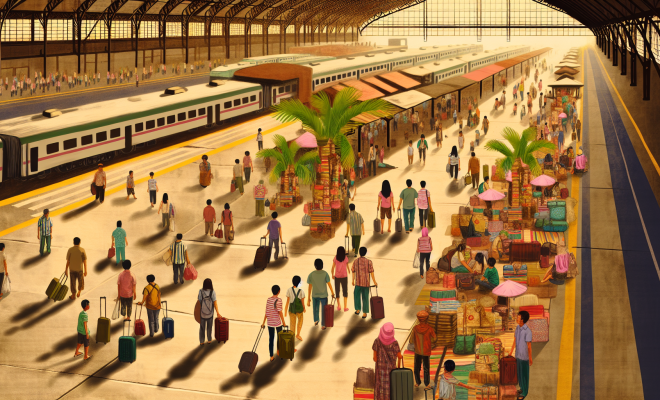
As the Holy Week approaches, millions of travelers in the Philippines are gearing up for what is anticipated to be a massive exodus starting on April 1, 2026. This annual pilgrimage, which sees families and individuals returning to their hometowns or heading to vacation spots, is expected to create a significant surge in both air and land travel across the nation.
Government Initiatives to Facilitate Travel
In response to the anticipated increase in passenger volume, the Civil Aviation Authority of the Philippines (CAAP) has announced a series of relief measures aimed at making travel more affordable and manageable during this peak holiday period. These measures include:
- Reduced Passenger Service Charges: CAAP will lower the fees associated with passenger services at airports, making it more accessible for travelers to embark on their journeys.
- Lower Airline Aeronautical Fees: The reduction in fees for airlines operating at CAAP-managed airports is expected to translate into lower ticket prices for consumers.
These initiatives are part of a broader strategy to ease the financial burden on travelers during one of the busiest travel seasons in the country.
Impact of Holy Week on Travel Patterns
Holy Week, which is celebrated by millions of Christians around the world, holds particular significance in the Philippines. It is a time when families come together to observe religious traditions and rituals. The travel patterns during this period reflect the cultural importance of the holiday:
- Increased Domestic Travel: Many Filipinos take this opportunity to return to their provinces, leading to a spike in domestic flights and bus bookings.
- Tourism Boost: Popular tourist destinations, including beaches and historical sites, see a significant influx of visitors, contributing to the local economy.
- Traffic Congestion: Major highways and thoroughfares often experience heavy traffic, prompting local authorities to prepare for congestion management.
Travelers are encouraged to plan their trips well in advance to avoid the rush and ensure a smoother journey.
Infrastructure Readiness
In anticipation of the Holy Week travel surge, the government is also focusing on enhancing infrastructure readiness. This includes:
- Airport Upgrades: Improvements and maintenance at key airports across the country to handle the increased passenger load.
- Public Transport Coordination: Collaboration with public transportation providers to ensure adequate availability of buses and other modes of transport for travelers.
- Traffic Management Plans: Implementation of strategies to alleviate congestion on major roads, particularly leading to popular vacation spots.
These efforts aim to create a seamless travel experience for both local and international tourists during the holiday.
Advice for Travelers
As millions prepare for their journeys, it is essential for travelers to keep a few key pieces of advice in mind to ensure a hassle-free experience:
- Book Early: Given the expected surge in demand, securing travel arrangements as early as possible is advisable.
- Check Flight Status: Regularly monitor flight schedules and any changes that may arise due to increased travel volume.
- Pack Light: Consider packing light to facilitate easier movement through crowded airports and transport hubs.
- Stay Updated: Follow news and updates from authorities regarding travel guidelines and any potential restrictions.
By staying informed and prepared, travelers can minimize stress and enjoy the festive atmosphere that Holy Week brings.
The Cultural Significance of Holy Week
Beyond the logistics of travel, it is essential to appreciate the cultural significance of Holy Week in the Philippines. This period is marked by various religious observances, including:
- Palm Sunday: The celebration of Jesus’ triumphant entry into Jerusalem.
- Maundy Thursday and Good Friday: Observances of the Last Supper and the crucifixion of Jesus, often marked by processions and reenactments.
- Easter Sunday: A joyous celebration of the resurrection, culminating in family gatherings and feasts.
These traditions not only enhance the spiritual aspect of the holiday but also foster a sense of community and belonging among Filipinos.
Conclusion
As Holy Week approaches, the Philippines is poised for a significant surge in travel, with millions of individuals ready to embark on their journeys. With the support of the government’s relief measures and infrastructure improvements, travelers can look forward to a memorable holiday that resonates with cultural and spiritual significance. By planning ahead and staying informed, everyone can contribute to a smoother travel experience during this beloved time of year.