Unlock ADHD Strengths: Boost Mental Well-Being in 2025
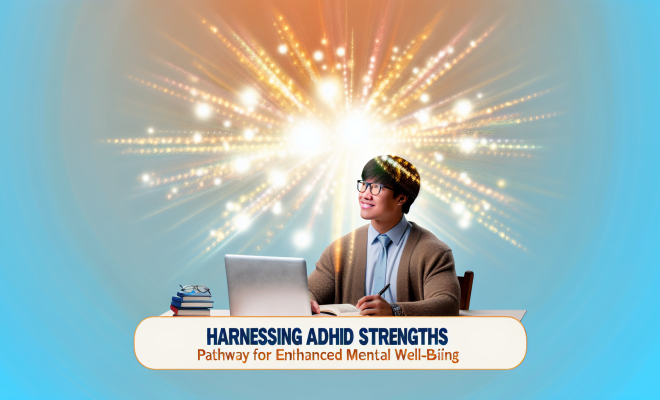
The landscape of Attention Deficit Hyperactivity Disorder (ADHD) is undergoing a transformative shift, as recent research highlights the potential strengths associated with the condition rather than solely focusing on its challenges. A groundbreaking study published on December 31, 2025, reveals that adults with ADHD who effectively leverage their unique attributes—such as creativity, humor, and the ability to hyperfocus—report significantly greater happiness, improved health, and reduced stress levels. This positive reframing is set to change the narrative surrounding ADHD, encouraging individuals to recognize and embrace their strengths as a pathway to enhanced mental well-being.
Understanding ADHD Beyond the Deficits
Traditionally, ADHD has been viewed primarily through a deficit-focused lens, emphasizing the difficulties faced by individuals in managing attention, impulsivity, and hyperactivity. However, the new findings challenge this perspective by showcasing how the very traits often seen as obstacles can be transformed into powerful tools for personal growth and fulfillment.
Key Strengths Identified in the Study
The study identified several key strengths commonly associated with individuals who have ADHD:
- Creativity: Many adults with ADHD exhibit heightened creativity, allowing them to think outside the box and develop innovative solutions to problems.
- Humor: A strong sense of humor is often found in individuals with ADHD, which can enhance social interactions and foster connections with others.
- Hyperfocus: While distractibility is a hallmark of ADHD, many individuals experience periods of hyperfocus, where they can concentrate intensely on tasks that interest them.
By recognizing these strengths, adults with ADHD can shift their self-perception from one of inadequacy to one of empowerment, facilitating a more positive outlook on life.
The Connection Between Strengths and Mental Health
The study’s findings suggest a strong correlation between the recognition of these strengths and overall mental health outcomes. Participants who actively engaged with their ADHD-related traits reported:
- Higher levels of happiness: Embracing their unique abilities contributed to a greater sense of satisfaction and joy in life.
- Improved health: Many individuals noted better physical health, potentially due to the positive mental state fostered by acknowledging their strengths.
- Reduced stress: By focusing on what they do well, individuals experienced lower stress levels, allowing for better coping mechanisms in challenging situations.
This positive feedback loop illustrates how self-recognition can lead to better mental health, making a compelling case for a shift in how ADHD is discussed and treated.
Strategies for Leveraging ADHD Strengths
Based on the insights from the study, researchers provided practical strategies for adults with ADHD to leverage their strengths effectively:
- Self-Reflection: Individuals are encouraged to engage in self-reflection to identify their unique strengths and consider how these can be used in daily life.
- Goal Setting: Setting realistic and achievable goals that align with one’s strengths can enhance motivation and achievement.
- Support Networks: Connecting with others who have ADHD can create supportive communities where strengths are celebrated, and shared experiences provide encouragement.
- Professional Guidance: Seeking support from mental health professionals familiar with ADHD can help individuals develop personalized strategies for success.
Implementing these strategies can lead to a more fulfilling life, characterized by greater resilience and well-being.
Changing the Conversation About ADHD
This study is a crucial step toward changing the broader conversation about ADHD. By shifting focus from deficits to strengths, society can cultivate a more inclusive understanding of the condition. This not only benefits individuals with ADHD but also their families, communities, and workplaces, all of which can thrive when diverse cognitive styles are embraced.
Future Research Directions
The implications of this study are far-reaching, paving the way for future research that explores:
- The long-term effects of strength-based approaches on mental health outcomes.
- How societal perceptions of ADHD can be transformed through education and advocacy.
- The role of ADHD strengths in various professional and creative fields.
As researchers continue to delve into these areas, the hope is to foster a comprehensive understanding of ADHD that values individual differences and promotes mental well-being.
Conclusion
The December 2025 study serves as a beacon of hope for individuals with ADHD, highlighting the importance of recognizing and leveraging personal strengths. By embracing creativity, humor, and hyperfocus, adults with ADHD can pave a new path toward happiness and fulfillment, ultimately redefining what it means to live with ADHD. As society shifts its focus towards a strengths-based narrative, we can expect to see a more supportive environment for those navigating the complexities of this condition.