Middle East Conflicts & Iran: Global Economic Turmoil in 2026
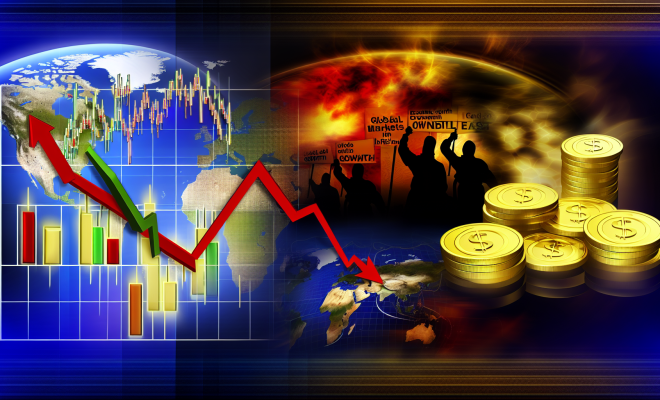
The global economic landscape is facing significant challenges as the ongoing conflict in the Middle East, particularly revolving around Iran, continues to cast a shadow over markets worldwide. As tensions escalate, energy prices are surging, supply chains are being disrupted, and inflationary pressures are mounting, all affecting monetary policy decisions across the globe.
The Iran Situation: A Catalyst for Market Uncertainty
Recent developments have seen President Trump extend the deadline for Iran to negotiate a deal until April 6, 2026. This extension comes amid heightened military tensions, as the deployment of additional U.S. military assets in the region has failed to alleviate concerns surrounding the potential for sustained high oil prices. Analysts are increasingly worried about the implications this will have on inflation and economic growth.
Energy Prices and Inflationary Pressures
With the conflict influencing oil supply, global energy prices have been on the rise, further exacerbating inflationary trends. The Organisation for Economic Co-operation and Development (OECD) recently published its interim outlook, projecting that global GDP growth will decelerate to 2.9% in 2026, down from 3.3% in 2025. This slowdown in growth is tied closely to the anticipated increase in inflation rates, which are expected to rise to 4.0% for G20 countries, up from 2.8% in the previous year.
Market Activity: A Mixed Bag
Despite the tumultuous backdrop, primary market activity has shown resilience. Recent data indicates that there has been approximately $6 billion in hard currency deals, which includes significant issuances from countries like Angola and companies such as Helios Towers. This activity suggests that while broader economic conditions are challenging, opportunities still exist within emerging markets.
Emerging Markets: Navigating the Storm
Emerging markets (EM) are particularly sensitive to fluctuations in global energy prices and geopolitical tensions. The ongoing situation in the Middle East has raised questions about the stability of these markets and their ability to attract investment amidst such uncertainty. Investors are advised to closely monitor developments in the region as they can have far-reaching implications for EM investments.
Monetary Policy Outlook: A Cautious Approach
In light of rising inflation and slowing growth, central banks are faced with the difficult task of balancing monetary policy. Policymakers are grappling with how to respond to the dual pressures of supporting economic growth while simultaneously managing inflation. The OECD’s projections indicate a tightening of monetary policy may be on the horizon as central banks seek to combat inflationary pressures.
Global Implications of Local Conflicts
The ramifications of the Middle East conflict extend beyond regional borders, impacting global trade and economic stability. As countries adjust to changing energy prices and inflation rates, it is essential for investors and policymakers alike to understand the interconnected nature of modern economies. The current situation serves as a reminder of how localized conflicts can ripple through global markets, affecting everything from commodity prices to investment flows.
Looking Ahead: What Lies Beyond April 6?
As the deadline for the Iran deal approaches, the market is poised for potential volatility. Investors are left to speculate on the implications of either a successful agreement or a continued standoff. A resolution could stabilize energy prices and alleviate some inflationary pressures, while failure to reach an agreement may exacerbate the current economic challenges.
Investment Strategies in a Changing Environment
- Diversification: Investors should consider diversifying their portfolios to mitigate risks associated with specific sectors or regions that may be heavily impacted by geopolitical tensions.
- Focus on Fundamentals: Identifying companies with strong fundamentals and robust balance sheets can help safeguard investments during turbulent times.
- Monitor Policy Changes: Staying informed about monetary policy shifts will be crucial as central banks navigate a complex economic landscape.
Conclusion
The convergence of geopolitical tensions and economic indicators presents a challenging scenario for global markets. The implications of the Iran situation are profound, affecting energy prices, inflation, and growth forecasts. As we move closer to the April 6 deadline, market participants must remain vigilant and adaptable, ready to respond to the rapidly evolving landscape. In such unpredictable times, strategic investment decisions will be paramount for navigating the complexities of emerging markets and their global connections.