Iran War Enters Twelfth Day: European Leaders Express Frustration
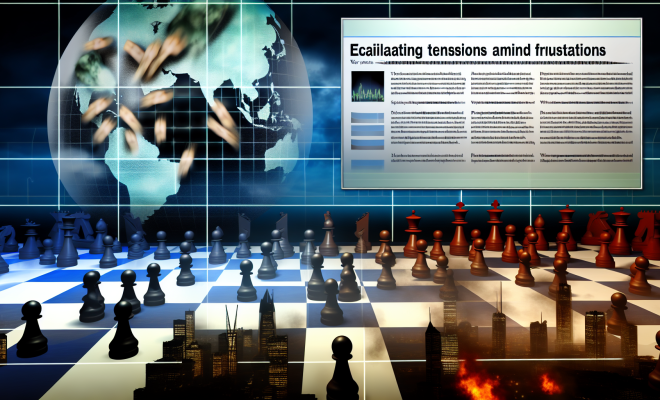
The conflict in Iran has now entered its twelfth day, with European leaders increasingly expressing their frustration over the ongoing escalation in the Gulf region. As hostilities continue, the implications of this war are reverberating beyond the battlefield, prompting urgent discussions among European officials about the EU’s role in addressing the crisis.
Intensifying Strikes and Regional Concerns
In recent days, Iranian forces have launched a series of intense strikes across the Gulf, which have raised alarms among neighboring countries and international observers. The escalating violence has drawn sharp warnings from Qatar, which cautioned that failure to contain the conflict could lead to “catastrophic results” for the entire region. The geopolitical stakes are high as tensions mount, with the potential for a wider conflict looming ominously.
One of the most notable incidents occurred when Iranian forces targeted a facility in Bahrain, resulting in a massive fire that has drawn international condemnation. Such attacks are not merely military maneuvers; they are indicative of a broader strategy by Iran to assert its influence and challenge the status quo in the Gulf region.
Economic Ramifications for Europe
The war’s impact extends beyond the immediate conflict zone, as European economies grapple with the potential consequences of ongoing instability. EU Commissioner Valdis Dombrovskis has highlighted the danger of a “stagflation shock” for Europe, a phenomenon characterized by stagnant economic growth and rising inflation. Given the interconnectedness of global markets, the war in Iran threatens to exacerbate existing economic challenges faced by European nations.
As energy prices surge and supply chains are disrupted, European leaders are beginning to recognize the urgent need for a coordinated response. The risk of economic fallout from the conflict is prompting discussions at the highest levels of government about how to mitigate potential crises.
The EU’s Diplomatic Role Under Scrutiny
As military tensions escalate, European Parliament members (MEPs) are actively debating the EU’s role as a diplomatic player in the region. There is a growing consensus that the EU must move beyond being a mere spectator and take a more proactive approach to foster dialogue and peace. This shift in perspective comes as leaders acknowledge that lasting solutions can only be achieved through diplomatic engagement.
- Increased Diplomatic Efforts: MEPs are advocating for a more robust EU diplomatic presence in the Gulf region, emphasizing the importance of communication and negotiation.
- Humanitarian Concerns: The ongoing conflict has raised significant humanitarian issues, prompting calls for the EU to take action to address the needs of those affected by the war.
- Strategic Partnerships: European leaders are exploring potential partnerships with regional allies to enhance collective security and stability in the Gulf.
International Reactions and the Path Forward
As the situation develops, international reactions continue to pour in. Countries outside of Europe are closely monitoring the crisis, with many expressing concern over the potential for a broader regional conflict. The United States has reiterated its commitment to supporting allies in the region, while also advocating for diplomatic solutions to de-escalate tensions.
In light of the mounting pressures, European leaders are faced with a critical decision-making moment. The need for a cohesive and strategic response is paramount as they navigate the complexities of international relations in the wake of the Iran war.
The Urgency for Action
With the conflict persisting and no clear resolution in sight, the urgency for action cannot be overstated. European leaders must work collaboratively, not only within the EU but also with international partners, to formulate a comprehensive strategy that addresses both immediate security concerns and long-term stability in the Gulf region.
As the twelfth day of the war unfolds, the world watches with bated breath, hoping for a diplomatic breakthrough that could alleviate the suffering caused by this conflict. The stakes are high, and the consequences of inaction could reverberate for years to come, underscoring the critical role of European leadership in the face of escalating global challenges.
In conclusion, the Iran war’s twelfth day serves as a stark reminder of the fragility of peace in the Gulf region. The growing frustrations among European leaders signal a pivotal moment for the EU, as they seek to redefine their role and contribute to a resolution that addresses not only the immediate crisis but also the underlying tensions that have long plagued the region.