Equinor Drops Renewable Goal: Future of Green Energy in Doubt (2026)
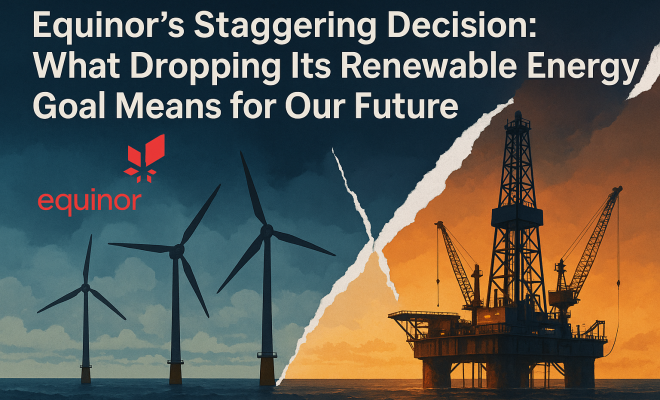
On June 19, 2026, Equinor, one of Europe’s largest energy players, announced a bombshell decision: it would no longer pursue its ambitious renewable energy goal. This pivotal moment raises many questions about the future of renewable energy, corporate accountability, and what it all means for the ongoing energy transition. As the world grapples with climate change and the urgent need for clean energy, this news should have all of us rethinking how big fossil-fuel companies are engaging with renewable commitments.
1. A Shift in Commitment: Understanding Equinor’s Energy Strategy
Equinor’s retreat from its renewable energy goal is not just a corporate misstep; it’s indicative of a larger trend among fossil fuel companies grappling with the realities of clean energy transition. The company was initially lauded for its ambitious plans to expand its renewable portfolio significantly by the end of the decade. However, upon reviewing its progress and the market conditions, Equinor concluded that achieving these targets was increasingly unrealistic. This shift raises eyebrows about the sincerity of commitments made by companies operating primarily in the fossil fuel space.
The renewable energy goal was part of Equinor’s broader vision for a sustainable future, yet the overwhelming reliance on oil and gas poses an existential dilemma. When a fossil fuel giant like Equinor steps back from its renewable ambitions, it sends a troubling message about the feasibility of transitioning to cleaner energy sources. Such a decision could deter investors who are keen to support green initiatives and lead to broader skepticism regarding corporate sustainability claims.
2. The Timing: A Coincidence or a Signal?
The timing of Equinor’s announcement is particularly intriguing. As we move into a new era of climate politics and corporate accountability, many stakeholders are watching closely how large energy firms respond to pressures for sustainability. Equinor’s choice to drop its renewable energy goal coincides with rising public concern about climate change and its far-reaching consequences. This decision could be interpreted as an acknowledgment that the energy sector is not keeping pace with the necessary transition timeline.
Moreover, the global context cannot be ignored. Countries have set ambitious net-zero targets, but the reality on the ground reveals a hazardous gap between pledges and actual progress. Equinor’s scaled-back ambitions could reflect a broader struggle within the industry, one where profitable fossil fuel operations frequently clash with the need for impactful climate action. By failing to achieve its renewable energy goal, Equinor underscores how challenging it is to move from rhetoric to reality.
3. Corporate Accountability: The New Buzzword in Energy Transition
Equinor’s decision raises significant questions about corporate accountability in the context of climate goals. For years, companies have touted their commitments to sustainability, often presenting themselves as leaders in the energy transition. However, dropping a key renewable energy target paints a stark picture of the challenges that lie ahead. The gap between public commitments and actual practices is becoming a focal point of scrutiny.
In a climate where investors are increasingly prioritizing Environmental, Social, and Governance (ESG) factors, Equinor’s move may lead to a reevaluation of what it means to be a socially responsible corporation. The energy market is shifting, and companies that fail to adapt or meet their goals may face repercussions. This shift could alter investor confidence and influence future funding for renewable projects.
4. The Emotional Reactions: Public Sentiment and Backlash
The announcement from Equinor is guaranteed to provoke passionate responses from various quarters. Climate advocates, investors, and everyday citizens are likely to feel betrayed by the news, as this represents a setback in the fight against climate change. The emotional charge surrounding such corporate decisions often invites public scrutiny and activism. As stakeholders react, the conversation about corporate responsibility in energy production becomes more pronounced.
Public sentiment around such issues is critical. Many people expect major corporations to play a leading role in combating climate change, and when they step back from their commitments, it feels like a broken promise. The backlash against Equinor could galvanize movements calling for stronger regulations and greater accountability, as well as encourage consumers to push for more sustainable practices.
5. Investor Implications: What This Means for the Market
Equinor’s choice to abandon its renewable energy goal could have significant implications for investors. As the energy market shifts, investors are increasingly looking for sustainable opportunities that align with their values. When a major player like Equinor pulls back from its commitments, it sends a ripple effect throughout the sector. Investors may begin to question the viability of other energy companies’ sustainability claims, leading to a potential reallocation of funds.
Whether this decision results in a loss of investor trust remains to be seen, but it underlines the importance of transparency and accountability in energy companies. The shift could discourage investment in projects that are crucial for meeting climate goals, which could have far-reaching impacts on the development of renewable energy infrastructures. As capital flows become contingent on accountability, the stakes have never been higher. (See: Climate change and health facts.)
6. The Contrast: Public Pledges vs. Company Action
Equinor’s decision starkly illustrates the disconnect between public pledges on sustainability and actual corporate action. Many energy firms have made bold claims about their commitment to net-zero emissions and renewable energy transitions. However, the reality often falls short of these ambitious goals. This contradiction not only breeds skepticism but also complicates the narrative around climate action.
As companies like Equinor pull back from their commitments, it threatens to undermine the trust built between businesses and their stakeholders. The contrast between what companies say and what they do can lead to public disillusionment and a greater demand for accountability. How many more companies will follow in Equinor’s footsteps? This question lingers in the minds of many as the energy transition continues to evolve.
7. What Lies Ahead for Equinor: The Path Forward
Moving forward, Equinor faces a critical juncture. The company must reassess its energy strategy in light of its recent admission. Will it pivot toward more realistic, achievable goals, or will it maintain its existing focus on fossil fuels? The decision could set the tone for how Equinor and similar companies navigate the complexities of energy production in a climate-conscious world.
The pressure to adapt is mounting. Equinor has options: it could double down on its investments in renewable energy or shift its focus entirely. Whatever path it chooses, the ramifications will resonate throughout the energy sector. The ongoing energy transition demands that companies embrace new technologies and innovative strategies that align with a sustainable future.
8. Global Energy Transition: The Bigger Picture
The implications of Equinor’s decision are not limited to the company itself; they resonate within the broader global energy transition landscape. As countries and corporations work toward net-zero targets, Equinor’s retreat serves as a cautionary tale about the complexities of energy policies and corporate behavior. The transition to renewable energy is fraught with challenges, and the energy sector must grapple with its legacy of fossil fuel reliance.
The energy transition is not just about developing new technologies; it’s about changing mindsets within the industry. Companies must be held accountable for their commitments as the world pushes for more aggressive climate goals. Equinor’s decision is a reminder that the road ahead will not be easy, and that collective action is necessary for sustainable progress.
9. Final Thoughts: A Wake-Up Call for the Energy Sector
Equinor’s abandonment of its renewable energy goal serves as a wake-up call for the energy sector and beyond. The decision highlights the inherent challenges in the transition to a low-carbon future and raises essential questions about corporate responsibility and accountability. As we strive for a more sustainable world, the energy industry must confront its dual identity as both a key player in climate change and a potential solution.
For consumers, investors, and activists alike, this moment reinforces the need for vigilance in holding corporations accountable for their climate promises. Equinor’s move is a critical juncture that could shape the future of energy production and sustainability efforts around the globe. As the dialogue continues, it will be crucial to remain engaged, advocate for change, and demand accountability from all players in the energy landscape.
10. Industry Comparisons: What Other Companies Are Doing
Equinor’s recent announcement prompts the question of how other major energy players are approaching their own renewable goals. Companies like BP, Shell, and TotalEnergies have also made significant pledges towards decarbonization and the development of green technology. For instance, BP has committed to reduce its oil and gas production by 40% by 2030 and invest heavily in renewable energy sources. On the other hand, Shell has faced criticism for not moving fast enough to achieve its net-zero targets.
These contrasting approaches highlight a broader trend within the industry, where some companies are pushing aggressively towards renewables, while others remain tethered to fossil fuel revenues. The success of these strategies will likely depend on market conditions, regulatory frameworks, and public sentiment.
According to a study conducted by the International Energy Agency (IEA), global investment in renewables reached an all-time high of $500 billion in 2021. This figure underscores the growing recognition of renewable energy’s critical role in achieving global climate goals. Yet, as companies like Equinor step back from their commitments, the question remains: will enough investment flow to ensure a smooth transition away from fossil fuels?
11. Expert Perspectives: Insights from Industry Leaders
Industry experts have weighed in on Equinor’s decision, providing a variety of perspectives on its implications for the energy sector. Dr. Jane Goodwin, a leading climate scientist, stated, “Equinor’s retreat from its renewable energy goals is alarming. It demonstrates the challenges we face in transitioning from fossil fuels. If even major players are struggling to prioritize renewables, then we need to rethink our strategies at the policy level.”
Conversely, John Harris, a financial analyst specializing in energy markets, believes the shift could present new opportunities: “While it may seem like a setback, Equinor’s decision could allow them to refocus on their core competencies, potentially leading to more efficient operations in the fossil fuel sector. In the long run, targeted investment in specific areas may yield greater returns, even if it delays wider renewable efforts.” (See: Equinor's renewable energy withdrawal.)
These varied perspectives highlight the complexity of the energy landscape and the uncertainty that surrounds the transition towards sustainable practices. The way forward will involve navigating these divergent views and aligning corporate strategies with global climate goals.
12. FAQs: Understanding Equinor’s Renewable Energy Decision
What led to Equinor’s decision to abandon its renewable energy goal?
Equinor’s decision was influenced by a combination of market conditions, financial pressures, and the realization that their initial targets were increasingly unrealistic amidst a challenging economic landscape.
How does this decision impact investors?
Investors may view Equinor’s retreat as a red flag, which could lead to a reassessment of their portfolios, particularly for those who prioritize sustainable investments. This move may necessitate a reallocation of funds towards companies that demonstrate stronger commitments to renewables.
What are the potential consequences for the energy sector?
Equinor’s decision could create a ripple effect, leading other companies to reevaluate their sustainability strategies. This may slow down the overall progress towards renewable energy adoption and impact investments crucial for meeting global climate targets.
Are there any legal ramifications for Equinor?
While there may not be direct legal consequences for abandoning their renewable goals, the move could subject Equinor to increased scrutiny from regulators and stakeholders who demand corporate accountability for climate commitments.
What can consumers do in response to corporate decisions like Equinor’s?
Consumers can hold companies accountable by advocating for transparency and demanding that businesses adhere to their environmental promises. Engaging in advocacy, supporting sustainable companies, and pushing for stronger regulations are effective ways to influence corporate behavior.
13. Future Outlook: The Road Ahead for Renewables
The future of renewable energy remains a critical topic as global awareness about climate change intensifies. Despite setbacks like Equinor’s decision, the momentum for clean energy is building. According to the Global Renewable Energy Report, renewables are projected to account for 80% of global energy supply by 2050, driven by technological advancements and declining costs.
As governments, private sectors, and consumers continue pushing for a greener future, Equinor’s withdrawal serves as a reminder of the importance of accountability and the need for a robust energy transition framework. Innovative solutions, such as green hydrogen and battery storage, are emerging as potential game-changers, providing hope that the transition to a low-carbon future is possible.
Ultimately, the energy sector must work collectively to overcome challenges and prioritize investments in renewables. Companies that genuinely commit to sustainability will likely find themselves at the forefront of the new energy landscape, while those who falter may risk being left behind.
14. Alternative Energy Solutions: Exploring Viable Options
As the world shifts away from fossil fuels, several alternative energy solutions have begun to emerge as viable options. Solar energy, wind power, and bioenergy are leading the charge, but what about newer technologies? For instance, tidal energy harnesses the power of ocean currents, while geothermal energy taps into the Earth’s core heat. According to the U.S. Department of Energy, geothermal energy has the potential to provide nearly 14% of the total U.S. energy needs by 2050.
Each of these energy sources has its own set of advantages and challenges. For instance, solar power can be less effective in areas with less sunlight, while wind energy requires consistent wind patterns. However, innovations are being developed to overcome these limitations. Floating solar farms and advanced wind turbines that can operate under varying conditions are just a couple of examples of how technology can bridge the gap in renewable energy supply. (See: The role of fossil fuels in energy transition.)
15. Public Policy and Government Involvement: The Role of Regulation
The role of public policy cannot be overstated in achieving renewable energy goals. Government regulations, incentives, and subsidies play crucial roles in encouraging firms to transition from fossil fuels to renewables. For instance, in Europe, policies such as the Green Deal have set ambitious targets for reducing greenhouse gas emissions and increasing the share of renewable energy in the total energy mix.
In the United States, the Inflation Reduction Act has provided tax credits and incentives that aim to spur investments in renewable technologies. However, the effectiveness of such policies often hinges on their implementation and enforcement. As countries race to meet their climate commitments, the intersection of industry actions and government regulations will prove pivotal in determining the future of the energy landscape.
16. The Role of Technological Innovations in Energy Transition
Technological advancements play a critical role in the energy transition, driving efficiencies and reducing costs for renewable energy technologies. For example, improvements in solar panel efficiency and battery storage have made solar energy more accessible and affordable than ever. In fact, the cost of solar has dropped by approximately 90% since 2010, according to the International Renewable Energy Agency (IRENA).
Moreover, investments in smart grid technologies enable better energy management and integration of renewables into existing infrastructures. By adopting such innovations, energy companies can enhance their operational efficiency while contributing to a more sustainable energy future. As companies like Equinor reassess their strategies, embracing technological innovations could open new pathways to achieving sustainability goals.
17. Consumer Behavior: The Power of Choice
Consumer behavior plays a significant role in shaping the energy market. With an increasing number of consumers prioritizing sustainability, their choices can drive companies to adopt greener practices. For instance, the rise of electric vehicles (EVs) has led to a surge in demand for renewable energy sources to power them. In fact, a report from Bloomberg New Energy Finance found that by 2040, EV sales could account for more than half of all new car sales globally.
Additionally, consumers are becoming more aware of their energy consumption patterns, pushing for transparency in how energy is sourced. As a result, companies are starting to respond by providing energy produced from renewable sources, thus aligning with consumer expectations. This shift indicates that corporate responsibility is not just a matter of public relations; it can also impact the bottom line.
18. Conclusion: A Call to Action for All Stakeholders
Equinor’s decision to abandon its renewable energy goal is not just a corporate choice; it’s a bellwether for the energy sector at large. It urges all stakeholders—governments, companies, consumers, and investors—to reassess their roles in the pursuit of a sustainable energy future. As the discourse around climate change intensifies, it’s vital for the energy sector to confront its challenges head-on and commit to real progress in renewable energy.
To create lasting change, collaboration among stakeholders is essential. Governments must implement effective policies that encourage renewable investment, companies must hold themselves accountable for their commitments, and consumers must demand cleaner energy options. Together, these actions can help to ensure that the transition to a low-carbon economy is not just a possibility but a reality.
Trending Now
Frequently Asked Questions
Why did Equinor drop its renewable energy goal?
Equinor dropped its renewable energy goal due to a reassessment of market conditions and progress, concluding that achieving its ambitious targets was unrealistic. This decision reflects broader challenges faced by fossil fuel companies in transitioning to cleaner energy sources.
What does Equinor's decision mean for renewable energy?
Equinor's decision raises concerns about the commitment of fossil fuel companies to renewable energy. It may deter investors interested in green initiatives and foster skepticism about corporate sustainability claims, impacting the overall momentum towards a clean energy transition.
How could Equinor's decision affect investors?
Equinor's retreat from its renewable energy ambitions may lead to decreased investor confidence in the company's sustainability commitments. This could result in a hesitance to support Equinor and similar firms that are perceived as not prioritizing green initiatives.
What are the implications of Equinor's shift for climate change efforts?
Equinor's shift away from renewable energy goals could signal challenges for global climate change efforts. It raises questions about the viability of transitioning to cleaner energy, potentially undermining public trust in corporate sustainability and climate action.
Is Equinor's decision part of a larger trend in the energy sector?
Yes, Equinor's decision reflects a larger trend among fossil fuel companies reassessing their renewable commitments amid market realities. Many firms are struggling to balance their traditional oil and gas operations with the push for sustainable energy solutions.
What’s your take on this? Share your thoughts in the comments below — we read every one.