U.S. Public Divided on Iran Conflict: A Deep Dive into Sentiment
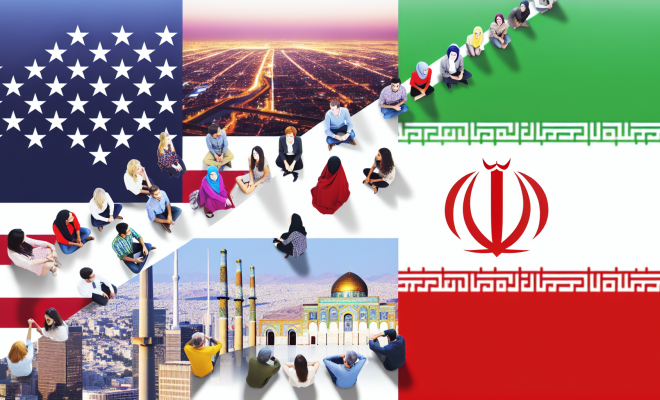
Understanding the Complex Landscape of Public Opinion
The ongoing conflict in Iran has sparked a whirlwind of opinions across the United States, revealing a deeply divided electorate. CNN’s chief data analyst, Harry Enten, recently provided insights into the perplexing polling data surrounding American sentiments on the Iran war. His analysis highlights significant divides among various voter groups, particularly between veterans and non-veterans, as well as differing perceptions based on political affiliation.
Polling Discontent: A Snapshot of Public Sentiment
Enten’s examination reveals that approximately 60% of voters disapprove of President Donald Trump’s handling of foreign policy, a figure that underscores the growing dissatisfaction with the administration’s approach to international conflicts. The disapproval rating indicates a substantial segment of the population that is not only concerned about the current military engagements but also skeptical of the long-term strategy being employed.
Voter Demographics: A Study in Contrasts
The polling data also suggests stark contrasts among different demographic groups. Veterans, who have firsthand experience with military service, often display varying opinions compared to non-veterans. This divergence may stem from personal experiences and differing perceptions of the efficacy and implications of military intervention. For veterans, the ramifications of war are not abstract; they resonate on a personal level, influencing their views on U.S. foreign policy.
- Veterans: Many veterans express a cautious approach to military intervention, advocating for diplomacy over conflict based on their experiences.
- Non-veterans: This group often holds varied perceptions, sometimes influenced by political alignment or media portrayal of conflicts.
Protests and Public Outcry Across the Nation
The discontent surrounding the Iran war has also manifested in widespread protests across the United States. Demonstrators have taken to the streets, calling for an end to military actions and urging the government to pursue peaceful resolutions. These protests reflect a broader sentiment among the American populace that is increasingly weary of prolonged conflicts and the costs associated with them.
The Iranian Diaspora: Perspectives from Los Angeles
In Los Angeles, home to a significant Iranian diaspora, opinions on the U.S.-Israeli strikes vary widely. Some members of the Iranian community view these strikes as a potential opportunity for regime change in Iran, hoping that military pressure might lead to positive political shifts within their homeland. On the other hand, there are voices expressing deep concern about the broader implications of such conflicts, fearing that military action could exacerbate tensions and lead to unintended consequences.
- Support for Regime Change: Some Iranian-Americans believe that external pressure could catalyze democratic reforms in Iran.
- Concerns Over Escalation: Others warn that military action could lead to greater instability in the region, potentially putting innocent lives at risk.
The Broader Implications of U.S. Foreign Policy
The diverse reactions among the Iranian diaspora highlight the complex interplay of national identity and political ideology. As the United States navigates its foreign policy, the voices of these communities become increasingly significant, offering insights that reflect both hopes and anxieties about the future.
Conclusion: A Nation at a Crossroads
As the polling data and public reactions illustrate, the American public’s stance on the Iran war is anything but straightforward. With a substantial portion of the electorate disapproving of the current administration’s foreign policy, it is evident that there is a growing demand for a reevaluation of U.S. military engagements abroad. The protests across the country and the varied perspectives from the Iranian diaspora in Los Angeles further underscore the importance of dialogue and understanding in addressing the complexities of this conflict.
Moving forward, it will be crucial for policymakers to consider these diverse opinions as they shape the future of U.S. foreign policy. Engaging with the public and listening to the concerns of different communities may provide a pathway toward a more cohesive and effective approach to international relations, particularly in volatile regions like the Middle East.