Discovering South America: A Tourist’s Handbook
Chapter 1: Introduction to South America
Overview of the Continent
South America is a continent that boasts a rich tapestry of cultures, landscapes, and histories, making it a prime destination for tourists from around the globe. Stretching from the vibrant beaches of Brazil to the majestic peaks of the Andes, this diverse land offers an array of experiences for every kind of traveller. With 12 countries to explore, each with its own unique identity, South America invites visitors to immerse themselves in its wonders.
The continent is home to the Amazon Rainforest, often referred to as the lungs of the Earth, which is a treasure trove of biodiversity. Tourists can embark on guided tours through this lush environment, encountering exotic wildlife and experiencing the rhythms of indigenous cultures. This natural wonder highlights the importance of conservation and provides a stunning backdrop for adventure seekers and nature lovers alike.
In addition to its natural beauty, South America features vibrant cities that pulse with energy and life. Places like Buenos Aires and Rio de Janeiro are known for their lively streets, rich culinary scenes, and captivating nightlife. Visitors can enjoy tango dancing in Argentina or relax on the famous Copacabana beach in Brazil, each providing a taste of the local culture and hospitality.
The continent’s historical significance is equally compelling, with ancient civilisations such as the Incas leaving behind remarkable legacies. Machu Picchu in Peru stands as a testament to this rich history, attracting countless tourists eager to witness its architectural brilliance and the breathtaking scenery surrounding it. Exploring these ancient sites offers a glimpse into the past and a deeper appreciation for the cultures that shaped South America.
Ultimately, South America is a continent of contrasts, where modernity meets tradition and natural beauty coexists with urban vibrancy. Whether you are seeking adventure in the Andes, relaxation on the beaches, or cultural immersion in bustling cities, South America has something for everyone. This handbook aims to be your guide as you embark on a journey to discover the myriad wonders waiting for you in this enchanting part of the world.
Cultural Diversity
Cultural diversity in South America is one of the continent’s most captivating features, offering a rich tapestry of traditions, languages, and customs. Each country boasts its unique blend of indigenous, African, and European influences, creating a vibrant mosaic of cultures. From the Andean highlands to the Amazon rainforest, visitors can experience a multitude of cultural expressions that reflect the history and spirit of the people.
In Peru, for example, the blend of ancient Incan traditions with Spanish colonial influences can be seen in the colourful festivals and the intricate textiles produced by local artisans. The famous Inti Raymi festival in Cusco celebrates the Inca sun god and draws thousands of tourists each year, showcasing traditional music, dance, and ceremonial offerings. Such events are not only a feast for the senses but also an opportunity for tourists to engage with local communities and learn about their heritage.
Brazil, on the other hand, presents a different cultural landscape, characterised by its lively samba music and dance, which originated from African roots. The annual Carnival in Rio de Janeiro is a spectacular display of this cultural fusion, where vibrant parades and elaborate costumes take centre stage. Tourists can immerse themselves in the festivities and witness the unifying power of culture in a country that is home to diverse ethnic groups and traditions.
In Argentina, the influence of European immigrants is evident in the tango, a dance that has become synonymous with the nation’s identity. Visitors can attend tango shows in Buenos Aires, where they can appreciate the passion and history behind this captivating art form. This cultural experience highlights how South America’s diverse backgrounds come together to create something uniquely beautiful and globally recognised.
Exploring the cultural diversity of South America is not just about observing; it is about participation and connection. Tourists are encouraged to engage with local communities, try traditional foods, and learn a few words of the local languages. This journey through culture enriches the travel experience, leaving visitors with cherished memories and a deeper understanding of the continent’s rich heritage.
Geography and Climate
South America boasts a diverse geography that captivates the imagination of travellers. From the towering Andes mountains that stretch along the western edge of the continent to the lush Amazon rainforest, the continent’s varied landscapes offer something for everyone. Countries like Brazil, Argentina, and Chile each present unique geographic features, making it essential for tourists to understand the terrain they will explore. The rich biodiversity found in these areas highlights the importance of geography in shaping the ecosystems and cultures of South America.
The climate across South America is as varied as its geography, ranging from tropical climates near the equator to the frigid temperatures of Patagonia in the south. This climatic diversity means that different regions experience distinct weather patterns, which can significantly influence travel plans. For instance, the dry season in the Amazon is ideal for wildlife viewing, while the cooler months in the southern regions are perfect for skiing and snowboarding. Understanding these climatic variations can enhance a tourist’s experience by helping them choose the best time to visit specific areas.
In addition to temperature variations, the continent experiences diverse precipitation patterns. The western coast of South America, particularly in Chile and Peru, is characterised by its arid desert climate, while the eastern regions near the Amazon basin receive heavy rainfall throughout the year. This rainfall supports the vast and vibrant ecosystems, making it a hotspot for adventure tourists interested in trekking and exploring the natural beauty. Planning trips around these climatic factors can lead to a more enjoyable and fulfilling experience.
The unique geography and climate of South America also play a significant role in the cultures and traditions of its people. Many indigenous communities have adapted their lifestyles to the local environment, relying on the natural resources available to them. This relationship with the land is evident in their customs, cuisine, and festivals, which often celebrate the changing seasons and the bounty of the earth. Tourists who take the time to learn about these cultural connections will find their travels enriched by a deeper understanding of the region’s history and people.
Ultimately, the geography and climate of South America create a dynamic backdrop for any traveller’s adventure. Whether one is hiking the Inca Trail, exploring the vibrant streets of Rio de Janeiro, or venturing into the depths of the Amazon rainforest, the continent’s natural beauty and climatic diversity offer endless opportunities for exploration. Embracing this geographical knowledge can help tourists make the most of their journey, ensuring they leave with unforgettable memories of South America’s breathtaking landscapes and warm cultures.
Chapter 2: Travel Essentials
Visa Requirements
When planning a trip to South America, understanding the visa requirements is crucial for a smooth travel experience. Each country in the continent has its own set of regulations, which can vary significantly depending on your nationality. Tourists should start by researching the specific visa policies of the countries they intend to visit, as some may allow entry without a visa for short stays, while others may require one to be arranged in advance.
For many visitors, countries like Argentina, Brazil, and Chile offer visa-free entry for short durations, often ranging from 30 to 90 days. However, it is essential to ensure your passport is valid for at least six months beyond your planned departure date. Additionally, having a return ticket and proof of accommodation may be necessary to present upon arrival, so be prepared with the required documentation.
Certain nationalities may face stricter requirements, including the need for a tourist visa prior to arrival. For these travellers, applying for a visa can involve submitting various documents, such as an invitation letter, proof of sufficient funds, and itinerary details. It is advisable to allow ample time for visa processing, as it can take several weeks depending on the country and the applicant’s nationality.
Furthermore, travellers should also be aware of the regulations regarding extensions and overstays. Some countries allow tourists to extend their stay, while others impose penalties for overstaying a visa. Familiarising yourself with the local laws can prevent unnecessary complications and ensure that your holiday remains enjoyable.
Lastly, it is wise to stay updated on any changes to visa policies, especially in the wake of global events that may affect travel. Official government websites and reputable travel resources are excellent places to find the most current information. Being well-informed about visa requirements will help tourists navigate their journey through South America with confidence and ease.
Health and Safety Tips
When travelling through South America, prioritising health and safety is essential for a pleasant experience. Tourists should ensure they are up to date with vaccinations recommended for the region, such as those for yellow fever and hepatitis A. Additionally, carrying a basic first-aid kit can be invaluable, as it allows for immediate treatment of minor ailments and injuries while exploring remote areas. Seeking advice from a healthcare professional before departure can further enhance your preparedness for the journey ahead.
It is also crucial to be aware of the food and water safety standards in different countries. While South America is home to delicious cuisine, it is advisable to consume only bottled or boiled water to avoid waterborne illnesses. Street food can be enticing, but tourists should exercise caution and select vendors who maintain high hygiene standards. Familiarising oneself with local dietary customs can also help avoid unpleasant surprises.
In terms of personal safety, staying aware of your surroundings is vital. Tourists should avoid displaying valuables, such as expensive jewellery or electronics, in public places. Using money belts or hidden pouches can help keep important items secure while exploring bustling markets or busy streets. It is also wise to use reputable transportation services and to remain vigilant when using public transport, especially in crowded areas.
Understanding local laws and customs is another key aspect of staying safe. Each South American country has its unique regulations, and being respectful of local traditions can help avoid misunderstandings. Tourists should take the time to research cultural norms, such as appropriate dress codes and behavioural expectations, particularly when visiting sacred sites or indigenous communities. This not only enhances safety but also enriches the travel experience.
Lastly, maintaining communication with family or friends back home is essential. Share your itinerary with someone you trust, and consider using mobile apps that allow for location sharing. Keeping a charged mobile phone with local emergency numbers saved can provide peace of mind during your travels. By taking these health and safety tips into account, tourists can ensure a more enjoyable and secure adventure throughout South America.
Currency and Costs
South America is a vibrant continent, home to a multitude of currencies that vary from country to country. Understanding the local currency is essential for any tourist wishing to navigate the diverse economic landscape. The most widely used currency is the Brazilian Real in Brazil, while Argentina uses the Argentine Peso. Other nations, such as Chile, use the Chilean Peso, and Colombia uses the Colombian Peso. Each currency has its own value, exchange rates, and purchasing power, making it crucial for visitors to stay informed.
When planning a trip, it is important to consider the cost of living in different South American countries. Countries like Argentina and Brazil may appear more expensive compared to others, such as Bolivia or Peru, where costs are generally lower. Accommodation, food, and transportation prices can vary significantly, so researching these aspects can help tourists budget effectively. Visitors will find that street food is often inexpensive and delicious, providing a taste of local cuisine without straining the wallet.
ATMs are widely available in urban areas across South America, allowing tourists to withdraw local currency easily. However, it is advisable to notify your bank of your travel plans to avoid any issues with card usage abroad. Furthermore, while credit cards are accepted in many places, especially in larger cities, smaller establishments may only accept cash. Hence, it is wise to carry a mix of both cash and a card to ensure smooth transactions during your travels.
Currency exchange can be done at banks, exchange offices, and airports, but tourists should be mindful of the rates offered. Airports may provide the most convenient options but are often less favourable compared to those in the city. Additionally, some local businesses may accept US dollars, but it is always advisable to pay in the local currency to avoid unfavourable exchange rates. Familiarising oneself with the current exchange rates can help in making informed decisions.
In summary, being aware of the currency and costs associated with South America can greatly enhance a tourist’s experience. By understanding the local currency, budgeting appropriately, and knowing where to exchange money, visitors can enjoy their journey without financial stress. With this knowledge, tourists can immerse themselves in the rich culture and breathtaking landscapes of South America, making the most of their adventure.
Packing Essentials
When embarking on an adventure across South America, packing the right essentials is crucial for a comfortable and enjoyable trip. The diverse climates and terrains of the continent require tourists to consider various factors when selecting their gear. Lightweight clothing, such as breathable shirts and quick-dry trousers, is advisable for warmer areas, while layering options are essential for regions with fluctuating temperatures, such as the Andes.
Footwear is another critical aspect of your packing list. A good pair of walking shoes or hiking boots can make a significant difference, especially when exploring natural wonders like the Amazon rainforest or the Inca Trail. Additionally, sandals can be useful for relaxing at the beach or in your accommodation after a long day of sightseeing.
Don’t forget to pack essential accessories that can enhance your travel experience. A wide-brimmed hat and sunglasses will protect you from the sun while exploring outdoor attractions. A reusable water bottle is vital for staying hydrated in the heat, and a small daypack can be quite handy for carrying your essentials during excursions.
It is also wise to prepare for unexpected situations by including a basic first aid kit in your luggage. This should contain items like adhesive bandages, pain relief medication, and any personal prescriptions you may need. Additionally, a portable charger for your electronic devices will ensure that you remain connected and can capture precious memories without interruptions.
Lastly, remember to check travel restrictions and cultural norms in the countries you plan to visit. Some regions may have specific dress codes or requirements regarding certain items, such as medications or electronics. Being aware of these details will not only enhance your experience but also show respect for local customs and traditions.
Chapter 3: Major Destinations
Brazil
Brazil, the largest country in South America, is a vibrant tapestry of cultures, landscapes, and experiences waiting to be discovered. From the bustling streets of Rio de Janeiro to the serene beaches of Bahia, the diversity of this nation offers something for every traveller. With its rich history and warm hospitality, Brazil invites visitors to explore its many facets, making it a must-visit destination on any South American itinerary.
One cannot discuss Brazil without mentioning the iconic Amazon Rainforest, which spans a significant portion of the country. This vast expanse of lush greenery is home to an incredible array of wildlife and plant species, many of which cannot be found anywhere else in the world. Adventurous tourists can embark on guided tours through the jungle, where they can encounter exotic animals, learn about indigenous cultures, and immerse themselves in the natural beauty that defines this unique ecosystem.
Cultural enthusiasts will find Brazil’s cities teeming with art, music, and history. São Paulo, the largest city in Brazil, is known for its vibrant street art and lively cultural scene. Visitors can take part in local festivals, enjoy samba music, or explore the many museums that showcase Brazil’s artistic heritage. Similarly, the colonial architecture of Salvador, with its colourful buildings and cobblestone streets, provides a glimpse into the country’s past and is a UNESCO World Heritage site worth exploring.
No trip to Brazil would be complete without indulging in its world-renowned cuisine. Brazilian food is a delightful fusion of flavours, influenced by indigenous, African, and Portuguese traditions. Tourists can savour dishes such as feijoada, a hearty black bean stew, and acarajé, a deep-fried ball of black-eyed pea dough filled with shrimp and spices. Street food is also a highlight, with vendors offering everything from pão de queijo (cheese bread) to refreshing açaí bowls.
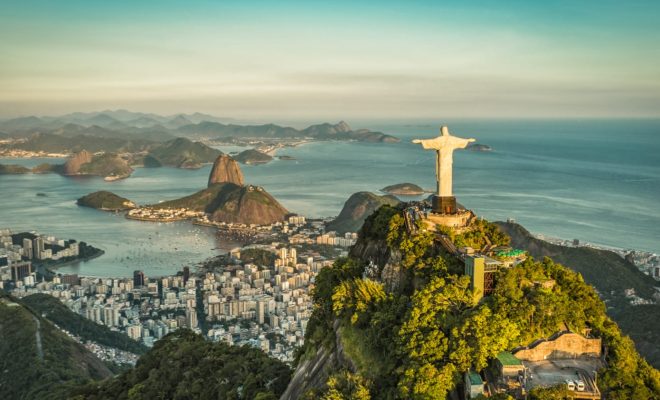
Lastly, Brazil’s stunning natural landscapes are perfect for outdoor enthusiasts. From the breathtaking views at Christ the Redeemer in Rio to the majestic Iguaçu Falls on the border with Argentina, the country boasts some of the most picturesque sights in the world. Hiking, surfing, and wildlife watching are just a few activities that allow tourists to connect with Brazil’s incredible scenery, ensuring that memories of this remarkable country will last a lifetime.
Rio de Janeiro
Rio de Janeiro, often referred to simply as Rio, is a vibrant city nestled between lush mountains and the Atlantic Ocean. Known for its stunning beaches like Copacabana and Ipanema, the city attracts millions of tourists each year who seek to indulge in its natural beauty and lively culture. The iconic Christ the Redeemer statue, standing majestically atop Corcovado Mountain, is an unmissable sight and a symbol of the city’s charm, offering breathtaking panoramic views of the sprawling metropolis below.
The city’s rich history is reflected in its diverse architecture, which ranges from colonial buildings in the historic centre to modern marvels like the Museum of Tomorrow. Visitors can explore the lively streets of Santa Teresa, renowned for its artistic vibe and historic tram, while indulging in local cuisine at bustling markets and traditional restaurants. The vibrant nightlife in Rio is another highlight, with samba clubs and lively bars providing a taste of the city’s infectious energy.
Rio de Janeiro is also famous for its annual Carnival, a festival that showcases the city’s passion for music, dance, and elaborate costumes. This event attracts tourists from around the globe, creating a unique atmosphere filled with excitement and celebration. Attending Carnival is a once-in-a-lifetime experience, where you can witness the city’s culture and spirit come alive through parades and street parties.
For those seeking adventure, Rio offers an array of outdoor activities. Hiking up the Sugarloaf Mountain or exploring the Tijuca National Park allows visitors to experience the breathtaking natural landscapes that surround the city. The warm climate and stunning scenery make it an ideal destination for outdoor enthusiasts, whether you’re interested in hiking, climbing, or simply relaxing on the beach.
In summary, Rio de Janeiro is a city that captivates with its blend of natural beauty, rich culture, and vibrant life. Whether you are soaking up the sun on its famous beaches, dancing the night away, or exploring its historical sites, Rio promises an unforgettable experience that will leave you wanting to return. Embrace the rhythm, taste the flavours, and immerse yourself in the spirit of this magnificent city.
São Paulo
São Paulo, the vibrant heart of Brazil, is a metropolis that pulsates with energy and diversity. As the largest city in South America, it boasts a rich tapestry of cultures, culinary delights, and a dynamic arts scene. Tourists will find themselves immersed in a city that never sleeps, offering an array of experiences from bustling markets to serene parks.
At the core of São Paulo’s charm is its unparalleled gastronomic landscape. The city is home to numerous restaurants that cater to every palate, featuring both traditional Brazilian dishes and international cuisine. Food lovers can explore the famous Municipal Market, where the iconic mortadella sandwich awaits, or indulge in the rich flavours at the upscale eateries in the Jardins district.
For those seeking cultural enrichment, São Paulo offers a plethora of museums and galleries. The São Paulo Museum of Art (MASP) is renowned for its impressive collection of Western art, while the Pinacoteca do Estado showcases Brazilian masterpieces. Additionally, the city’s vibrant street art scene, particularly in the neighbourhood of Vila Madalena, provides a unique glimpse into the local artistic expression.
Nature enthusiasts will appreciate the green spaces scattered throughout the city. Ibirapuera Park, one of the largest urban parks in Brazil, offers a peaceful retreat from the urban hustle. With its beautiful landscapes, lakes, and cultural institutions, including the Museum of Modern Art, it serves as a perfect spot for relaxation and leisure activities.
As the sun sets, São Paulo transforms into a lively hub of nightlife. From trendy bars in the Vila Olímpia area to samba clubs in the traditional neighbourhoods, there is something for everyone. Visitors can immerse themselves in the local rhythms, enjoying music and dance that reflect the city’s rich cultural heritage, making it an unforgettable destination for any tourist.
Argentina
Argentina, the eighth largest country in the world, boasts stunning landscapes that range from the icy glaciers of Patagonia to the vibrant streets of Buenos Aires. This diverse nation is renowned for its rich cultural heritage, influenced by European immigration and indigenous traditions. Tourists can immerse themselves in a variety of experiences, from tango dancing in the capital to exploring the breathtaking natural wonders of the Andes mountains.
The culinary scene in Argentina is another highlight that attracts visitors from around the globe. Known for its world-class beef, the country offers a plethora of traditional dishes that are a must-try. Asado, a barbecue style that involves grilling various cuts of meat, is a social event where locals gather to enjoy each other’s company and savour delicious food. Pairing these meals with a glass of Malbec, a wine produced in the Mendoza region, enhances the gastronomic experience.
For nature enthusiasts, Argentina is a paradise filled with unique wildlife and stunning national parks. The Iguazú Falls, one of the largest and most spectacular waterfall systems in the world, is a UNESCO World Heritage Site that leaves visitors in awe. Additionally, the Valdes Peninsula is a prime location for whale watching, while the Los Glaciares National Park offers the chance to witness magnificent glaciers calving into turquoise waters.
Adventure seekers will find a plethora of activities to indulge in, ranging from hiking and skiing to paragliding and rafting. The mountainous terrain of Patagonia provides numerous trails suitable for both beginners and seasoned hikers, while the ski resorts near Mendoza attract winter sports enthusiasts. Each adventure offers a unique perspective of Argentina’s natural beauty and exhilarating experiences.
Finally, the warmth and hospitality of the Argentine people make a visit to the country even more memorable. Engaging with locals can provide insights into the country’s history, culture, and traditions. Whether it’s sharing a mate, a traditional herbal tea, or learning a few steps of the tango, tourists will leave Argentina with unforgettable memories and a deeper appreciation for this enchanting South American gem.
Buenos Aires
Buenos Aires, the vibrant capital of Argentina, is a city steeped in rich history and culture. As you stroll through its streets, you will encounter a blend of European charm and Latin American flair. The city’s architecture reflects this fusion, with grand boulevards lined by elegant buildings, quaint cafés, and bustling plazas that invite you to sit and soak in the atmosphere.
A must-visit in Buenos Aires is the historic neighbourhood of San Telmo, known for its cobblestone streets and vintage market. Here, you can find unique antiques, artisanal crafts, and indulge in local delicacies. The lively street performances, particularly the tango dancers showcasing their skills, add an authentic touch to your experience, making it a hub of creativity and tradition.
Another highlight is La Boca, famous for its brightly painted houses and artistic vibe. This area is home to the iconic Caminito street, where local artists display their work, and tango music fills the air. Visiting La Boca provides not only a visual feast but also a chance to learn about the immigrant history that shaped this unique neighbourhood.
For a taste of modern Buenos Aires, head to the upscale district of Palermo. Here, you will find trendy shops, stylish restaurants, and lush parks perfect for a leisurely afternoon. Palermo is known for its vibrant nightlife, making it an ideal spot for those looking to experience the city’s contemporary culture and social scene.
Finally, no trip to Buenos Aires would be complete without sampling its renowned cuisine. From traditional Argentine steaks to delicious empanadas, the city’s culinary offerings are diverse and delectable. Dining in Buenos Aires is not just about the food; it’s an experience enhanced by the warmth of the locals and the lively atmosphere that permeates every meal.
Patagonia
Patagonia, a stunning region located at the southern end of South America, is known for its breathtaking landscapes and diverse ecosystems. Stretching across Argentina and Chile, this area offers a plethora of natural wonders that attract adventurers and nature enthusiasts from around the globe. From the jagged peaks of the Andes to the vast steppe plains, Patagonia is a testament to the raw beauty of the natural world.
One of the most iconic features of Patagonia is the Torres del Paine National Park, renowned for its dramatic mountain ranges and vibrant glacial lakes. Visitors can embark on various trekking routes, including the famous W and O circuits, which provide unparalleled views of the towering granite spires and azure waters. The park is also home to an array of wildlife, such as guanacos, condors, and the elusive puma, making it a paradise for wildlife watchers and photographers alike.
In addition to its stunning landscapes, Patagonia is rich in cultural heritage. The region is inhabited by the indigenous Mapuche people, who have a deep connection to the land and its resources. Tourists can learn about their traditions, crafts, and culinary delights, which offer a glimpse into the vibrant culture that thrives amidst the rugged beauty. Engaging with local communities not only enriches the visitor experience but also supports the preservation of these unique traditions.
Adventurers seeking thrills will find plenty of activities to engage in, ranging from kayaking in the fjords of Chile to rock climbing on the steep cliffs of El Chaltén in Argentina. The region’s varied terrain provides opportunities for both novice and experienced outdoor enthusiasts to push their limits and experience the untamed nature of Patagonia. Each season brings its own charm, with summer inviting hikers to explore and winter offering a wonderland for snow sports.
As one of the last frontiers on Earth, Patagonia remains a place of exploration and discovery. Its untouched landscapes and rich biodiversity continue to inspire those who venture into its wild expanses. With sustainable tourism practices gaining traction, visitors can enjoy this majestic region while contributing to its conservation, ensuring that Patagonia remains a destination for generations to come.
Peru
Peru, a country famed for its rich cultural heritage and breathtaking landscapes, offers an unparalleled experience for tourists. From the ancient ruins of Machu Picchu to the vibrant streets of Cusco, visitors are transported to a world where history and nature intertwine. The diverse geography, ranging from the Andes mountains to the Amazon rainforest, provides a stunning backdrop for adventure seekers and culture enthusiasts alike.
One cannot discuss Peru without mentioning its culinary scene, which has gained worldwide acclaim. Gastronomy tours allow visitors to indulge in traditional dishes such as ceviche and lomo saltado, showcasing the country’s unique blend of indigenous and Spanish influences. Food markets brimming with exotic fruits and spices further enhance the experience, making it a delightful journey for the senses.
In addition to its gastronomic offerings, Peru is home to a variety of festivals that reflect its vibrant culture. Events such as Inti Raymi, the Festival of the Sun, draw crowds eager to witness traditional music, dance, and colourful costumes. These celebrations provide a glimpse into the local customs and traditions, making them a must-see for anyone wanting to immerse themselves in Peruvian culture.
Wildlife enthusiasts will find Peru a paradise, with opportunities to encounter unique species in their natural habitats. The Amazon basin boasts diverse flora and fauna, including colourful birds, monkeys, and the elusive jaguar. Eco-tours are readily available, allowing visitors to experience the region’s natural beauty while contributing to conservation efforts.
Lastly, the warm and welcoming spirit of the Peruvian people adds to the allure of this remarkable destination. Travellers often leave with lasting memories of their interactions with locals, who are eager to share their stories and traditions. Whether exploring ancient sites, savouring delicious food, or engaging with vibrant communities, tourists are sure to find that Peru offers a rich tapestry of experiences that will remain with them long after their visit.
Lima
Lima, the capital of Peru, is a vibrant city that blends rich history with modernity. As you stroll through its streets, you will encounter stunning colonial architecture, bustling markets, and lively plazas that reflect its cultural heritage. The city’s historical centre, a UNESCO World Heritage Site, showcases impressive landmarks such as the Government Palace and the Cathedral of Lima, which are essential stops for any visitor.
Culinary enthusiasts will find Lima to be a gastronomic paradise. The city is renowned for its diverse culinary scene, which combines traditional Peruvian ingredients with international flavours. Don’t miss the opportunity to savour ceviche, a local delicacy that features fresh fish marinated in citrus juices, or to visit one of the many acclaimed restaurants that have put Lima on the global food map.
For those interested in arts and culture, Lima offers a plethora of museums and galleries. The Larco Museum is particularly noteworthy, housing an extensive collection of pre-Columbian art that provides insight into Peru’s ancient civilisations. The vibrant arts scene in districts like Barranco also showcases contemporary works, making it a delightful area for art lovers to explore.
Nature lovers can escape the urban hustle by visiting the coast of Lima. The city’s coastline features beautiful beaches and parks, such as the Malecón, where one can enjoy breathtaking ocean views and outdoor activities. Whether you are surfing at Punta Rocas or simply enjoying a leisurely walk along the promenade, the coastal areas of Lima provide a refreshing break from the city’s bustling atmosphere.
Lastly, Lima’s nightlife is a dynamic aspect of its culture. The city comes alive after dark, with numerous bars, clubs, and live music venues offering entertainment for all tastes. From traditional Peruvian music to modern DJ sets, visitors can immerse themselves in the local culture while enjoying the vibrant nightlife that Lima has to offer.
Machu Picchu
Machu Picchu, often referred to as the “Lost City of the Incas”, is one of the most iconic archaeological sites in the world. Nestled high in the Andes Mountains of Peru, this ancient Incan city offers breathtaking views and a glimpse into the rich history of the Inca civilisation. Originally built in the 15th century, Machu Picchu was rediscovered by American historian Hiram Bingham in 1911, and it has since become a must-visit destination for tourists from around the globe.
Visitors to Machu Picchu are often awestruck by the skillful construction of the stone structures, which have withstood the test of time. The site features temples, terraces, and intricate agricultural systems that showcase the ingenuity of the Incan people. Walking through the ruins, tourists can imagine the vibrant life that once thrived in this remote location, as they take in the stunning landscapes that surround them.
To reach Machu Picchu, most tourists begin their journey in the nearby town of Aguas Calientes, accessible by train or on foot via the Inca Trail. The trek along the Inca Trail is a popular choice for those seeking adventure, offering a challenging yet rewarding experience amidst breathtaking scenery. For those who prefer a more leisurely approach, the train ride provides a comfortable and scenic route to the entrance of the archaeological site.
Upon arrival, visitors are encouraged to explore the area with a knowledgeable guide who can provide insights into the history and significance of Machu Picchu. Highlights of the visit include the Temple of the Sun, the Intihuatana stone, and the breathtaking views from the various vantage points scattered throughout the site. Each of these features tells a part of the story of the Inca civilisation, making the experience both educational and inspiring.
As the sun sets over Machu Picchu, the site transforms into a magical place, with the golden light casting shadows over the ancient stones. Many tourists choose to stay until dusk to witness this stunning spectacle, capturing unforgettable memories of their journey. Whether you are an avid history buff or simply seeking an extraordinary travel experience, Machu Picchu promises to leave a lasting impression on every visitor.
Chile
Chile, a long and narrow strip of land stretching along the western edge of South America, is a destination that captivates tourists with its diverse landscapes and rich cultural heritage. From the arid Atacama Desert in the north to the magnificent glaciers of Patagonia in the south, Chile offers an array of experiences for every type of traveller. Visitors can explore vibrant cities, historic sites, and stunning natural wonders that showcase the country’s remarkable geographical contrasts.
Santiago, the capital city, serves as a perfect starting point for many visitors. Nestled between the Andes mountains and the Chilean Coast Range, Santiago boasts a vibrant culture, excellent cuisine, and a lively arts scene. Tourists can wander through the bustling markets, sample local wines, and enjoy the breathtaking views from San Cristóbal Hill. The city’s rich history is reflected in its architecture, with colonial buildings standing alongside modern skyscrapers, creating a unique urban landscape.
As one travels further north, the Atacama Desert presents a stark yet beautiful environment. Known as the driest desert in the world, this region is home to surreal landscapes, salt flats, and geysers. Tourists flock to the Valle de la Luna, where the otherworldly scenery resembles that of the moon. Activities such as stargazing and exploring ancient petroglyphs add to the allure, making it a must-visit for nature enthusiasts and adventure seekers alike.
Heading south, the breathtaking landscapes of Patagonia invite exploration. This region is renowned for its stunning national parks, including Torres del Paine, where towering mountains, azure lakes, and diverse wildlife create a paradise for hikers and outdoor enthusiasts. The region’s unique ecosystems and natural beauty are complemented by the warmth of its local communities, who welcome visitors to experience their traditions and way of life.
Lastly, the coastal city of Valparaíso, with its colourful hillside homes and artistic vibe, offers a charming contrast to the more urban feel of Santiago. This UNESCO World Heritage site is famous for its steep funiculars and vibrant street art, making it a delightful destination for those looking to soak in Chile’s artistic spirit. With its rich history, diverse landscapes, and warm hospitality, Chile is truly a treasure waiting to be discovered by tourists.
Santiago
Santiago, the vibrant capital of Chile, is a city that beautifully marries modernity with tradition. Nestled between the Andes mountains and the Pacific Ocean, its stunning backdrop offers visitors a unique perspective on the natural beauty of South America. The city’s architecture reflects a mix of colonial history and contemporary design, making it a fascinating destination for tourists eager to explore diverse cultural influences.
As you wander through the streets of Santiago, you will discover an array of attractions that cater to all interests. The historic Plaza de Armas serves as the heart of the city, where you can admire the impressive Metropolitan Cathedral and the Central Post Office. Nearby, the Museo Histórico Nacional offers insights into Chile’s rich past, showcasing artefacts that tell the story of its people and heritage.
For those seeking a taste of local life, the bustling markets of Santiago are a must-visit. La Vega Central is a vibrant food market where you can sample fresh produce, traditional Chilean dishes, and local wines. Engaging with friendly vendors and trying out regional specialities is an experience that will deepen your appreciation for Chile’s culinary scene.
Santiago’s nightlife is equally enticing, with a plethora of bars, clubs, and live music venues to explore after sunset. The Bellavista neighbourhood is particularly renowned for its lively atmosphere and artistic flair, featuring colourful street art and a variety of dining options. Whether you’re in the mood for a quiet drink or a night of dancing, Santiago has something for everyone.
Finally, no visit to Santiago would be complete without venturing into the surrounding natural landscapes. A short drive from the city takes you to the Andes, where hiking, skiing, and breathtaking views await. The popular San Cristóbal Hill offers stunning panoramas of the city, while the nearby Cajón del Maipo provides opportunities for outdoor adventure, making Santiago a perfect base for exploring the wonders of Chile’s natural beauty.
Atacama Desert
The Atacama Desert, located in northern Chile, is renowned for being one of the driest places on Earth. Spanning over 1,000 kilometres, this unique landscape is characterised by salt flats, volcanoes, and colourful rock formations, offering tourists a truly remarkable experience. The incredible aridity has given rise to a stark beauty that attracts nature lovers, photographers, and adventure seekers alike. It is essential for visitors to prepare adequately for the extreme conditions and high altitudes encountered in this region.
One of the highlights of the Atacama is the Valle de la Luna, or Valley of the Moon, which features surreal rock formations and sand dunes that resemble the surface of another planet. Visitors can trek through this otherworldly terrain, particularly during sunset when the colours transform dramatically, creating a picturesque scene for photography enthusiasts. The valley is also a great spot for stargazing, as the clear skies provide an unobstructed view of the cosmos, making it a haven for astronomy lovers.
The desert is home to a variety of unique flora and fauna, which have adapted to survive in such harsh conditions. Among these are the famed Atacama cacti, which bloom sporadically after rare rainfall. Birdwatchers will also delight in spotting flamingos at the salt flats, as well as various other bird species that inhabit this extraordinary ecosystem. Understanding the delicate balance of life in the Atacama can enhance visitors’ appreciation for this remarkable environment.
Cultural experiences abound in the Atacama Desert as well, with opportunities to engage with local communities and learn about their traditions. Towns such as San Pedro de Atacama serve as excellent bases for exploration, offering a blend of ancient history and modern amenities. Visitors can enjoy traditional Chilean cuisine, visit local markets, and participate in guided tours to gain insights into the indigenous cultures that have thrived in this arid landscape for centuries.
For those seeking adventure, the Atacama Desert offers activities such as sandboarding, off-road excursions, and guided hikes to its numerous geysers and hot springs. The El Tatio geyser field is a must-visit, with its impressive steam columns rising against a backdrop of spectacular mountain scenery. Whether you’re looking to relax in natural hot springs or embark on thrilling excursions, the Atacama Desert promises an unforgettable experience for every type of traveller.
Colombia
Colombia, a vibrant country located at the northern tip of South America, offers an array of experiences that captivate tourists from all over the globe. With its rich history, diverse culture, and stunning landscapes, it has become a must-visit destination for those seeking adventure and relaxation alike. The country’s cities, such as Bogotá, Medellín, and Cartagena, each boast their own unique charm and attractions that make them unforgettable stops on any travel itinerary.
In Bogotá, the bustling capital, visitors can explore the historic La Candelaria district, where colonial architecture meets modern art. The Gold Museum, showcasing an impressive collection of pre-Columbian gold artefacts, is a highlight that shouldn’t be missed. Additionally, the city’s vibrant street art scene and excellent culinary offerings provide an engaging backdrop for tourists looking to immerse themselves in local culture.
Medellín, once infamous for its turbulent past, has transformed into a symbol of innovation and resilience. The city’s famous MetroCable, which connects the hillside communities to the urban centre, offers stunning views and a unique perspective on the city’s evolution. Tourists can also enjoy the annual Flower Festival, an event that celebrates Colombia’s rich agricultural heritage and showcases the beauty of its native flora.
The coastal city of Cartagena, with its well-preserved colonial walled city, is a UNESCO World Heritage site that draws visitors with its romantic atmosphere and colourful streets. The nearby beaches, such as Playa Blanca, provide a perfect escape for those looking to relax by the Caribbean Sea. Visitors can also delve into the city’s history by exploring the Castillo San Felipe de Barajas, a formidable fortress that stands as a testament to the region’s colonial past.
Colombia is also home to breathtaking natural wonders, from the lush Amazon rainforest to the stunning peaks of the Andes. Adventurous tourists can partake in activities like hiking in the Cocora Valley or exploring the unique ecosystems of Tayrona National Park. With its friendly locals, rich biodiversity, and a plethora of activities, Colombia is truly a treasure waiting to be discovered by every traveller.
Bogotá
Bogotá, the vibrant capital of Colombia, is a city that effortlessly blends history, culture, and modernity. Nestled high in the Andes Mountains at an altitude of 2,640 metres, it offers breathtaking views and a unique climate. Tourists are drawn to its rich tapestry of colonial architecture, lively street art, and numerous museums, making it a must-visit destination in South America.
One of the most iconic areas in Bogotá is La Candelaria, the historic district that showcases stunning colonial buildings and cobblestone streets. Here, visitors can explore historical landmarks such as the Plaza de Bolívar, where the grand Cathedral Primada stands. The neighbourhood is also home to numerous cafés and restaurants, perfect for sampling traditional Colombian cuisine while soaking in the local atmosphere.
Art enthusiasts will find Bogotá a treasure trove, with the Gold Museum (Museo del Oro) housing an impressive collection of pre-Columbian gold artefacts. This museum not only highlights the region’s rich history but also tells stories of indigenous cultures and their craftsmanship. Moreover, the Botero Museum, showcasing works by the renowned artist Fernando Botero, provides another layer of artistic exploration that visitors should not miss.
For those seeking a panoramic view of the city, a trip to Monserrate is essential. This mountain, accessible by a funicular or cable car, offers stunning vistas of Bogotá and the surrounding mountains. The journey to the summit is a rewarding experience, with the opportunity to visit the sanctuary perched at the top, which is a significant pilgrimage site for many Colombians.
As the sun sets, Bogotá transforms into a lively hub of nightlife, with a plethora of bars, clubs, and live music venues. The Zona Rosa district, known for its vibrant atmosphere, is particularly popular among tourists looking to experience the city’s nightlife. Whether you’re indulging in a late-night meal or dancing the night away, Bogotá offers a diverse range of experiences that cater to all tastes, ensuring that every visitor leaves with unforgettable memories.
Medellín
Medellín, the vibrant heart of Colombia, is a city that embodies transformation and innovation. Nestled in the Aburrá Valley, it is surrounded by the picturesque Andes mountains, offering stunning views and a pleasant climate year-round. Tourists are drawn to its rich culture, friendly locals, and the remarkable progress the city has made in recent decades, transforming from a once troubled area into a thriving metropolis.
One of the standout attractions in Medellín is the famous Metrocable, a cable car system that connects the city’s hilly neighbourhoods with the urban centre. This unique mode of transport not only provides a scenic ride but also serves as an essential link for residents, showcasing the city’s commitment to inclusivity and accessibility. Visitors can enjoy breathtaking panoramic views of the city while experiencing the daily life of its inhabitants.
The city is also home to an array of museums, parks, and public art installations that reflect its rich artistic heritage. The Museo de Antioquia, located in the Plaza Botero, features an impressive collection of works by the renowned Colombian artist Fernando Botero. His iconic sculptures of oversized figures are scattered throughout the plaza, making it a lively and engaging place for tourists to explore and take photos.
For those seeking a taste of local life, the neighbourhood of El Poblado offers a lively atmosphere filled with restaurants, bars, and shops. This area is particularly popular among tourists, providing a blend of traditional Colombian cuisine and international fare. Visitors can enjoy a leisurely stroll through its vibrant streets, sampling delicious dishes and soaking up the energetic ambiance.
As night falls, Medellín comes alive with a dynamic nightlife scene. From salsa clubs to rooftop bars, there is something for everyone to enjoy. The city’s commitment to safety and hospitality makes it an inviting destination for evening outings, allowing tourists to experience the warmth and exuberance of Colombian culture long after the sun sets. Medellín truly captures the essence of South America, making it a must-visit for any traveller seeking adventure and rich cultural experiences.
Ecuador
Ecuador, a small yet diverse country straddling the equator, offers an array of experiences for the adventurous tourist. From the majestic Andes mountains to the lush Amazon rainforest, Ecuador is a paradise for nature lovers. The stunning scenery is complemented by a rich cultural heritage that showcases indigenous traditions and colonial history, making it a unique destination for exploration.
One of the highlights of Ecuador is the Galápagos Islands, renowned for their extraordinary wildlife and stunning landscapes. Tourists can engage in activities such as snorkelling, hiking, and wildlife watching, all while appreciating the unique ecosystems that inspired Charles Darwin’s theory of evolution. The islands are a UNESCO World Heritage Site, and visiting them is often the pinnacle of any Ecuadorian journey.
In addition to the Galápagos, mainland Ecuador boasts vibrant cities like Quito and Cuenca, both of which are recognised for their historical architecture and charming atmospheres. Quito, the capital city, is nestled high in the Andes and features a well-preserved colonial centre that is a UNESCO World Heritage Site. Cuenca, known for its beautiful churches and artisan markets, offers a glimpse into the country’s rich artistic traditions.
For those interested in adventure, Ecuador provides numerous opportunities for outdoor activities. The country is famous for its hiking trails, including the Quilotoa Loop and the impressive Chimborazo volcano. Additionally, the Amazon basin invites tourists to explore its vast biodiversity through guided tours that often include river excursions and encounters with indigenous communities.
Finally, Ecuadorian cuisine is a treat for the senses, reflecting the country’s diverse geography and cultures. From ceviche to hearty llapingachos, there is a wide range of dishes to savour. Sampling local food in markets and restaurants allows visitors to connect with Ecuadorian culture in a delicious and memorable way. Overall, Ecuador encapsulates the essence of South America, making it an unmissable destination for any traveller.
Quito
Quito, the capital of Ecuador, is a city steeped in history and culture, nestled high in the Andes mountains. Renowned for its well-preserved colonial architecture, the historic centre of Quito was declared a UNESCO World Heritage Site in 1978. Visitors can wander through cobblestone streets, marvel at stunning churches like La Compañía de Jesús, and soak in the vibrant atmosphere that this South American metropolis offers.
The city’s elevation at over 2,800 metres above sea level provides a unique climate and breathtaking panoramic views. From the viewpoints at El Panecillo or the Teleférico, tourists can appreciate the dramatic landscape that surrounds Quito. The lush green hills and the snow-capped peaks of the Andes create a striking backdrop that enhances the city’s charm and allure.
Quito is also a hub for cultural experiences, where visitors can immerse themselves in Ecuadorian traditions. The local markets, such as La Mariscal, offer a glimpse into everyday life, where one can sample traditional foods and buy handcrafted souvenirs. Festivals throughout the year, like the Fiestas de Quito in December, showcase the rich cultural heritage and invite tourists to participate in the celebrations.
For those interested in art and history, Quito houses several museums, including the Museo de la Ciudad and the Casa del Alabado. These institutions provide insights into the country’s pre-Columbian past and colonial history, making them a must-visit for anyone looking to understand the depth of Ecuador’s cultural narrative. Guided tours can enhance the experience, bringing to life the stories behind the exhibits.
Finally, the accessibility of Quito makes it a perfect starting point for exploring other parts of Ecuador. With day trips available to places like the Middle of the World monument or the nearby Otavalo market, tourists can easily extend their adventure beyond the city limits. Quito stands as a vibrant gateway to the wonders of South America, promising an unforgettable experience for every visitor.
Galápagos Islands
The Galápagos Islands, a UNESCO World Heritage site, are an extraordinary archipelago located in the Pacific Ocean, about 600 miles off the coast of Ecuador. Famous for their unique wildlife and stunning landscapes, these islands are a must-visit destination for any tourist seeking adventure and natural beauty. The islands consist of 13 main islands, along with numerous smaller islets and rocks, each offering a distinct environment and ecosystem that has been preserved for generations.
One of the most remarkable aspects of the Galápagos Islands is their diverse range of wildlife. Visitors can observe species found nowhere else on Earth, including the Galápagos tortoise, marine iguanas, and blue-footed boobies. The islands played a significant role in Charles Darwin’s theory of evolution, as he studied the variations among species during his visit in the 1830s. Today, tourists can engage in guided tours to learn more about these fascinating creatures and their habitats while ensuring minimal impact on the environment.
Exploration of the Galápagos can take many forms, from hiking in the national parks to snorkelling in the crystal-clear waters. The islands offer a plethora of activities for every type of traveller, whether you prefer relaxing on pristine beaches or embarking on challenging hikes to volcanic craters. Kayaking, diving, and birdwatching are also popular, allowing visitors to immerse themselves in the stunning natural surroundings and observe the unique geological formations.
Accommodations on the islands range from luxurious eco-lodges to simple guesthouses, catering to various budgets and preferences. It is advisable to book in advance, especially during peak tourist seasons, to ensure you find a suitable place to stay. Many lodges also offer guided tours and excursions, making it convenient for tourists to explore the islands without hassle.
Visiting the Galápagos Islands is an unforgettable experience that not only showcases the beauty of nature but also emphasises the importance of conservation. Tourists are encouraged to respect the unique ecosystems and adhere to guidelines designed to protect the delicate balance of life here. A trip to the Galápagos is not just a holiday; it is an opportunity to witness the wonders of evolution and support efforts in preserving this extraordinary part of the world.
Chapter 4: Activities and Experiences
Adventure Sports
Adventure sports in South America offer an exhilarating experience for tourists seeking thrills and excitement. From the rugged Andes Mountains to the lush Amazon rainforest, the continent is a playground for adrenaline seekers. White-water rafting, rock climbing, and paragliding are just a few of the activities that attract adventurers from around the globe, each promising unique challenges and breathtaking scenery.
One of the most popular destinations for adventure sports is Peru, particularly known for its incredible trekking routes such as the Inca Trail. Hiking through ancient ruins while surrounded by stunning landscapes provides not only a physical challenge but also a cultural immersion. Many tourists choose to blend trekking with other activities, such as mountain biking or zip-lining, making the most of their adventurous spirit in this diverse terrain.
In Chile, the Torres del Paine National Park offers a spectacular backdrop for those interested in trekking and rock climbing. The park’s dramatic peaks and glaciers attract climbers and hikers alike, providing routes for both beginners and seasoned adventurers. Additionally, the unique geography allows for various water sports, including kayaking and sailing, making it a comprehensive adventure destination.
Brazil, with its vibrant culture and natural beauty, also presents numerous opportunities for adventure sports. The beaches of Rio de Janeiro are famous for surfing, while the nearby mountains are perfect for hang gliding. Tourists can soar above the stunning coastline, capturing breathtaking views and experiencing the thrill of flight, all while embracing Brazil’s lively atmosphere.
Finally, Colombia is emerging as a hotspot for adventure sports enthusiasts. The diverse ecosystems—from the Caribbean coast to the Andes—allow for activities such as scuba diving, paragliding, and mountain biking. The welcoming locals and rich cultural experiences enhance the adventure, making Colombia a must-visit for those looking to explore the great outdoors in an exciting and dynamic environment.
Cultural Experiences
South America is a vibrant tapestry of cultures, each thread woven with rich traditions, languages, and customs. From the ancient Inca ruins of Peru to the lively samba rhythms of Brazil, every corner of the continent offers a unique cultural experience that captivates visitors. Tourists can immerse themselves in the local way of life, exploring bustling markets, attending traditional festivals, and enjoying regional cuisines that tell the story of the land and its people.
One of the most profound cultural experiences is found in the indigenous communities that still thrive across South America. Places like the Sacred Valley in Peru offer tourists a chance to engage with local artisans, learn about their crafts, and understand their beliefs that have been passed down through generations. These interactions provide invaluable insights into the resilience and richness of cultures that have survived centuries of change and adaptation.
In addition to indigenous cultures, the colonial history of South America has left a lasting imprint on its cities and architecture. The colourful streets of Cartagena in Colombia or the historic plazas of Buenos Aires in Argentina are perfect examples of this blend of influences. Tourists can wander through cobblestone streets, admiring colonial buildings and sampling delicious local foods, while also learning about the historical events that shaped these vibrant urban environments.
Festivals play a key role in South American culture, showcasing the continent’s diversity and community spirit. Events such as the Carnival in Rio de Janeiro, with its extravagant parades and elaborate costumes, attract thousands of tourists each year. These celebrations are not just spectacles; they are expressions of cultural identity and pride, offering visitors a chance to participate in the joy and energy of the local populace.
Ultimately, experiencing the culture of South America goes beyond mere observation; it invites tourists to become part of the story. Whether through dance, music, art, or food, every cultural encounter enriches the travel experience, creating lasting memories and connections. As travellers explore this diverse continent, they discover not just new places, but also the heart and soul of South America itself.
Culinary Tours
Culinary tours in South America offer an immersive experience for those eager to explore the continent’s diverse gastronomy. Each country boasts its own unique flavours and culinary traditions, making these tours an excellent way to taste the essence of South America. From the vibrant street food of Peru to the rich wines of Argentina, there is something to delight every palate.
In Brazil, culinary tours often include sampling traditional dishes such as feijoada and acarajé. Visitors can join local chefs in their kitchens, learning how to prepare these iconic meals while discovering the cultural significance behind them. This hands-on approach not only enhances the culinary experience but also fosters a deeper connection with the local community.
Argentina is renowned for its asado, a barbecue that showcases the country’s premium beef. Tourists can embark on tours that take them to rustic ranches where they participate in the grilling process, enjoying the fruits of their labour alongside a glass of Malbec. This unique experience highlights the importance of meat in Argentine culture and allows visitors to savour the flavours in a traditional setting.
Peru’s culinary scene has gained international acclaim, particularly with its fusion of indigenous ingredients and modern techniques. Food lovers can explore the markets of Lima, tasting fresh ceviche and exotic fruits, while also attending cooking classes that reveal the secrets of Peruvian cuisine. Engaging with local chefs and learning about the history of each dish enriches the travel experience.
Lastly, a culinary tour in Chile often features its picturesque vineyards, where tourists can partake in wine tasting and food pairings. The breathtaking landscapes combined with exquisite flavours create an unforgettable experience. Exploring the vibrant culinary culture of South America through these tours will not only satisfy your taste buds but also leave you with lasting memories of the continent’s rich heritage.
Nature and Wildlife
South America is a continent rich in biodiversity, offering a plethora of natural wonders that attract tourists from around the globe. The Amazon rainforest, often referred to as the lungs of the Earth, is home to countless species of flora and fauna. Its vast expanse stretches across several countries, providing a unique ecosystem that is both captivating and crucial for global ecology. Visitors can embark on guided tours through its dense vegetation, where they may encounter vibrant birds, elusive mammals, and an array of reptiles and insects, each contributing to the rich tapestry of life in this region.
In addition to the Amazon, South America boasts a variety of national parks and protected areas that showcase its stunning landscapes. From the majestic Andes mountains to the breathtaking Patagonian glaciers, these natural sites offer countless opportunities for adventure and exploration. Hiking enthusiasts can traverse the rugged trails, while photographers can capture the dramatic scenery that varies from lush valleys to stark mountain peaks. Each area presents its own unique wildlife, providing an unforgettable experience for those who venture into the heart of nature.
The continent is also home to diverse habitats such as the savannahs of the Brazilian cerrado and the wetlands of the Pantanal. The Pantanal, the world’s largest tropical wetland, is renowned for its rich wildlife, including jaguars, capybaras, and hundreds of bird species. Tourists can participate in eco-tours that promote sustainable wildlife viewing, allowing them to appreciate the beauty of these creatures in their natural habitat while supporting conservation efforts. The experience of observing animals in the wild is a highlight for many visitors, creating lasting memories and a deeper appreciation for the environment.
Moreover, coastal regions such as the Galápagos Islands offer an entirely different perspective on wildlife. Famous for its unique species that inspired Charles Darwin’s theory of evolution, the islands are a haven for nature lovers and scientists alike. Snorkelling and diving in its crystal-clear waters reveal a vibrant underwater world teeming with marine life. Tourists can engage in responsible tourism practices, ensuring that these fragile ecosystems are preserved for future generations while enjoying the remarkable sights and experiences the islands have to offer.
In summary, South America’s rich nature and wildlife provide an unparalleled opportunity for tourists to connect with the environment. Whether exploring dense rainforests, climbing mountains, or relaxing on remote beaches, visitors are bound to encounter the continent’s diverse ecosystems and the myriad of species that inhabit them. This journey into nature not only enhances the travel experience but also fosters a sense of responsibility towards conservation and appreciation for the planet’s natural treasures.
Chapter 5: Transportation
Getting Around Cities
Getting around cities in South America can be an exciting adventure, offering numerous options for tourists eager to explore. Major cities like Buenos Aires, Rio de Janeiro, and Santiago boast extensive public transport systems that include buses, metro lines, and trams, making it easy to navigate and discover the local sights. Familiarising oneself with these options can save both time and money, allowing for a more immersive travel experience.
Buses are a popular and cost-effective means of transport in many South American cities. They operate on various routes, connecting different neighbourhoods and attractions. However, navigating the bus system may be a challenge for first-time visitors due to language barriers and varying schedules. It is advisable to keep a local transport app handy or consult with locals to ensure a smooth journey.
For those looking for a quicker way to get around, taxis and rideshare services like Uber are widely available in urban areas. While taxis are generally safe, it is recommended to use licensed ones to avoid any problems. Rideshare apps provide the added benefit of transparency regarding fares and driver information, enhancing the overall experience for tourists.
Walking is another fantastic way to explore cities, especially in pedestrian-friendly areas. Many South American cities feature vibrant streets filled with cafes, shops, and street performers, offering a genuine glimpse into local culture. Tourists should take care to stay aware of their surroundings and keep personal belongings secure, particularly in crowded areas.
Finally, for a unique perspective, consider renting a bicycle or using bike-share programmes available in some cities. Cycling is an eco-friendly option that allows tourists to cover more ground while enjoying the scenery at a leisurely pace. Overall, getting around cities in South America is diverse and flexible, catering to various preferences and ensuring that every tourist can find their ideal way to explore these vibrant urban landscapes.
Inter-Country Travel Options
Inter-country travel in South America offers a diverse array of options, catering to the varied preferences of tourists. With the continent’s extensive road networks, travellers can embark on scenic journeys that showcase stunning landscapes, charming towns, and vibrant cultures. Buses are a popular choice, providing a cost-effective means of traversing borders while offering comfortable amenities and panoramic views of the countryside.
For those seeking a quicker and more convenient mode of transport, flights between major cities are readily available. Airlines operate frequent services that connect key destinations, making it easy to explore more of South America in less time. Taking to the skies can also provide a unique perspective of the diverse terrains, from the Andes mountains to the Amazon rainforest.
Another exciting option for inter-country travel is the use of ferries, particularly for those wishing to explore regions like Patagonia. These ferry routes not only facilitate travel but also present breathtaking views of the coastlines and islands. Travelling by water can be a refreshing change, allowing tourists to appreciate the natural beauty of the region while moving between countries.
In addition to traditional transport methods, adventurous travellers might consider overland tours or guided expeditions. These tours often include a mix of transport options, such as trekking, biking, or even horseback riding, adding an element of adventure to the journey. Such experiences not only enhance the travel experience but also provide opportunities to interact with local communities and immerse oneself in the culture.
Ultimately, inter-country travel in South America is characterised by its variety and flexibility, allowing tourists to choose the best options that suit their itineraries and interests. Whether by bus, plane, ferry, or on foot, the continent promises unforgettable adventures and the chance to discover its rich tapestry of landscapes and cultures.
Safety Tips for Travel
When travelling in South America, prioritising safety can significantly enhance your experience. Begin by staying aware of your surroundings, especially in crowded areas and tourist hotspots. Keep your belongings close and avoid displaying valuable items such as expensive cameras or jewellery, as this can attract unwanted attention. Being cautious and vigilant can help you avoid potential risks and enjoy your journey more peacefully.
Researching your destination ahead of time is crucial. Understand which areas are safe to visit and which ones to avoid, particularly in urban environments. Many cities have neighbourhoods that are known for higher crime rates. Engaging with local online forums or travel advisory websites can provide current insights and enhance your awareness of the local safety situation.
It is advisable to keep copies of important documents, such as your passport and travel insurance, in a safe place. Additionally, share your itinerary with a trusted friend or family member back home. This way, someone will have your travel details in case of emergencies. Consider using a money belt or a secure bag to carry your essentials, as this can deter pickpockets and give you peace of mind during your travels.
Be cautious when using public transport, as it can present various challenges. Opt for registered taxis or rideshare services rather than hailing a cab from the street. If you are using public buses, try to travel during the daytime and stay alert. Familiarise yourself with local transport options and routes to avoid confusion and potential risks.
Lastly, trust your instincts. If a situation feels uncomfortable or unsafe, do not hesitate to remove yourself from it. Engaging with locals can often provide valuable insights into what is safe and what is not. Remember, the goal is to enjoy your travels while ensuring your personal safety, allowing you to fully immerse yourself in the rich cultures and stunning landscapes South America has to offer.
Chapter 6: Accommodation
Types of Accommodation
When travelling through South America, tourists encounter a diverse range of accommodation options tailored to suit various preferences and budgets. From luxurious hotels in bustling cities to rustic lodges in the heart of the Amazon rainforest, the continent offers something for everyone. This variety allows visitors to experience the rich cultures and stunning landscapes of South America in unique ways, enhancing their overall travel experience.
Hostels are a popular choice among backpackers and budget-conscious travellers. These establishments provide an affordable option for those looking to meet fellow adventurers while saving money on lodging. Many hostels also offer organised tours and activities, making it easy for guests to explore local attractions and immerse themselves in the vibrant culture of their surroundings.
For those seeking a more upscale experience, boutique hotels and resorts can be found throughout South America. These accommodations often feature stylish decor, personalised service, and premium amenities, providing guests with a luxurious retreat after a day of exploration. Many boutique hotels also highlight local architecture and design, allowing visitors to appreciate the unique character of each destination.
In addition to traditional lodging, alternative accommodations such as eco-lodges and homestays are gaining popularity. Eco-lodges focus on sustainability and conservation, offering guests a chance to connect with nature while supporting local communities. Homestays, on the other hand, provide an intimate experience by allowing travellers to stay with local families, offering invaluable insight into daily life in South America.
Ultimately, the types of accommodation available in South America cater to a wide array of preferences and budgets. Whether one chooses a backpacker hostel, a plush resort, or a charming homestay, each option presents a unique opportunity to engage with the diverse cultures and breathtaking landscapes of this remarkable continent. By selecting the right accommodation, tourists can enhance their journey and create lasting memories during their time in South America.
Recommended Hotels and Hostels
When travelling through South America, choosing the right place to stay can enhance your overall experience. From vibrant hostels buzzing with youthful energy to luxurious hotels offering breathtaking views, the continent has something to cater to every taste and budget. Popular cities like Buenos Aires, Rio de Janeiro, and Santiago boast a plethora of accommodation options that provide not just a roof over your head but also a chance to immerse yourself in local culture and hospitality.
In Buenos Aires, consider staying at the historic San Telmo neighbourhood, where charming boutique hotels and lively hostels are sprinkled throughout the cobblestone streets. The area is known for its tango shows and local markets, making it an ideal base for those wanting to experience the city’s rich cultural heritage. Many hostels here offer communal spaces that encourage socialising, perfect for solo travellers or those looking to meet fellow adventurers.
For those venturing to Rio de Janeiro, the Copacabana and Ipanema beaches are home to some of the most sought-after hotels. These establishments not only provide stunning ocean views but also easy access to the vibrant beach culture and nightlife. Many hotels offer amenities such as rooftop pools and wellness centres, allowing guests to unwind after a long day of exploring. Budget-conscious travellers can find affordable hostels in the area, which often provide a friendly atmosphere and organised activities.
Santiago, the capital of Chile, offers a mix of modern hotels and traditional lodgings. The Lastarria district is a favourite among tourists for its artistic vibe and proximity to museums and parks. Here, you can find hotels that reflect the city’s contemporary architecture, alongside quaint hostels that provide a more intimate experience. This area is also known for its eclectic dining scene, making it easy for visitors to enjoy local cuisine after a day of sightseeing.
Lastly, it is essential to consider the diverse regions of South America beyond the major cities. In places like Cusco, visitors can opt for eco-lodges that blend seamlessly with the stunning natural surroundings. These accommodations often promote sustainability and provide unique opportunities to engage with local communities. Regardless of your destination, South America offers a wide range of options that cater to all preferences, ensuring that your stay is both comfortable and memorable.
Booking Tips
When planning your trip to South America, booking in advance can make a significant difference in your experience. Popular destinations such as Machu Picchu or the Galapagos Islands often have limited availability, especially during peak seasons. Securing your accommodation and tours early not only ensures that you get your preferred options but also often saves you money. Take advantage of online platforms that allow you to compare prices and read reviews to make informed decisions.
Flexibility with your travel dates can also lead to substantial savings. If you have the ability to travel outside of the high season, you may find better rates on flights and accommodations. Additionally, mid-week travel can often be cheaper than weekend flights. Use fare comparison websites to track prices and set alerts for deals that fit your schedule.
Consider the type of accommodation that best suits your travel style. From luxurious hotels to budget hostels, South America offers a wide range of options. Booking a place that aligns with your expectations can enhance your experience. If you prefer a more local experience, look for homestays or guesthouses, which often provide a unique insight into the culture.
Be mindful of cancellation policies when making reservations. Many places offer flexible booking options, but it’s essential to read the fine print. Unexpected events can occur, and having the ability to change or cancel your plans without hefty fees will provide peace of mind during your travels. Always confirm your bookings a few days before your departure to avoid any last-minute surprises.
Finally, don’t forget to check visa requirements and travel advisories for the countries you plan to visit. These can change frequently, and being well-informed will ensure a smoother journey. Additionally, consider purchasing travel insurance that covers cancellations and emergencies, as it can save you from unexpected financial burdens during your adventure in South America.
Chapter 7: Local Customs and Etiquette
Language Tips
Communication is key when travelling in South America, and understanding some basic phrases in the local languages can enhance your experience significantly. Spanish is the dominant language in most countries, though Portuguese is spoken in Brazil. Familiarising yourself with common greetings, pleasantries, and essential vocabulary can help bridge cultural gaps and endear you to locals, making your travels more enjoyable.
When attempting to communicate, remember that body language and gestures can convey a great deal. In many South American cultures, a warm smile and open gestures can go a long way in establishing a rapport. Moreover, while many people in tourist areas may speak English, making an effort to use the local language demonstrates respect and willingness to engage with the culture. This simple act can lead to richer interactions and opportunities.
It is also helpful to carry a small phrasebook or use a translation app on your smartphone. This can be particularly useful in more remote areas where English speakers might be scarce. Learning a few key phrases such as “please,” “thank you,” and “where is…?” can make a significant difference in navigating your surroundings and interacting with local vendors or service providers.
Another tip is to be mindful of regional dialects and variations in language. While Spanish is widely spoken, accents and certain words can vary greatly from one country to another. For instance, the word for “bus” is “autobús” in some places, while in others it may be referred to as “colectivo.” Being aware of these differences can help you understand and be understood more effectively.
Lastly, don’t hesitate to ask for help when needed. Whether you’re lost, in need of directions, or seeking recommendations, locals are often more than willing to assist. A simple question in Spanish or Portuguese can open doors to wonderful experiences and insights that you might otherwise miss. Embrace the opportunity to learn from those you meet, and your journey will be all the more rewarding.
Behavioural Norms
When travelling through South America, understanding the local behavioural norms is essential for fostering respectful interactions and enriching your experience. Each country within this vibrant continent has its unique customs and social expectations, which can vary significantly from one region to another. Tourists should be mindful of these norms to avoid inadvertently offending locals and to enhance their own travel experience.
In many South American cultures, greeting customs can differ widely. In countries like Argentina and Chile, it is common to greet friends and acquaintances with a kiss on the cheek, while in more conservative areas, a firm handshake may be more appropriate. Understanding these subtleties in greetings can help break the ice and establish a friendly rapport with the locals, making your journey more enjoyable and immersive.
Moreover, dining etiquette is another crucial aspect of behavioural norms in South America. Meal times can be later than what many tourists are accustomed to, with dinner often starting around 9 PM. It is also customary to wait for the host to begin the meal before digging in and to keep your hands on the table but not your elbows. These dining practices reflect the importance of community and shared experiences in many South American cultures.
Another key component of behavioural norms is the concept of personal space and physical contact. While some cultures may be more reserved, others embrace a more tactile approach to communication. In Brazil, for example, it is common for conversations to involve closer proximity and more frequent touches. Being aware of these differences can help tourists navigate social interactions more smoothly and avoid any potential discomfort.
Lastly, it is essential to recognise the importance of politeness and respect in all interactions. Simple gestures such as saying “please” and “thank you” in the local language can go a long way in building goodwill. Tourists are encouraged to learn a few basic phrases in Spanish or Portuguese, as this effort is often appreciated by the locals. By embracing these behavioural norms, visitors to South America can foster positive relationships and create lasting memories during their travels.
Tipping Practices
Tipping practices in South America vary significantly from country to country, and understanding these customs can greatly enhance your travel experience. In many countries, tipping is not just appreciated but is expected, particularly in the service industry. For instance, in Argentina and Brazil, it is common to leave a tip of around 10% in restaurants, although some establishments may include a service charge in the bill. Knowing the local customs can help you navigate these situations with confidence and respect.
In places like Peru and Chile, tipping practices can be slightly different. In Peru, it is customary to leave small change in cafes and restaurants, while in Chile, a 10% tip is often added to the bill, but leaving extra for exceptional service is encouraged. When exploring these nations, be mindful of the local attitudes towards tipping, as this reflects the culture’s values regarding service and hospitality.
Street vendors, taxi drivers, and tour guides also have their own tipping norms. For example, while taxis typically do not require tips, rounding up the fare is a kind gesture. Tour guides generally appreciate a tip, especially if they have provided a memorable experience. In Ecuador, a small token of appreciation for guides can go a long way, as it acknowledges their effort and expertise in showcasing the beauty of their country.
In more tourist-heavy areas, such as Rio de Janeiro or Cusco, the expectations around tipping can be more pronounced due to the influx of international visitors. Here, you may encounter a wider range of service providers who rely on tips as a significant part of their income. Therefore, being aware of the expected tipping amounts can help you interact positively and show appreciation for the services rendered.
Lastly, always check your bill before tipping, as practices can vary, and some places may include a service charge. If in doubt, asking locals or fellow travellers can provide clarity on how much to tip. Understanding and respecting tipping customs not only enhances your experience but also fosters goodwill between you and the local community, making your journey through South America all the more rewarding.
Chapter 8: Practical Information
Emergency Contacts
When travelling to South America, it’s essential to have a list of emergency contacts readily available. This includes local authorities, medical facilities, and your country’s embassy or consulate. In many countries, emergency services can be reached by calling 911 or its equivalent. Familiarising yourself with these numbers before your trip can save you valuable time in a crisis. Make sure to write these contacts down and keep them in an accessible place, such as in your wallet or on your phone.
In addition to emergency services, it’s wise to have contact information for your accommodation and any local friends or guides. Many hotels and hostels can assist you in case of an emergency, whether it’s a medical issue or lost belongings. Having their phone number and address can be crucial for quick assistance. Additionally, consider sharing your travel itinerary with someone back home, so they know where you are and who to contact if needed.
Understanding the local healthcare system is also vital for any traveller. Research the nearest hospitals or clinics in the areas you plan to visit. Some regions may have limited medical facilities, so knowing where to go in case of an emergency is paramount. If you have any pre-existing conditions, ensure you have your medical records and a list of medications handy. This will facilitate quicker treatment if necessary.
Another important aspect is to have a plan for communication. Ensure your mobile phone is set up to make international calls or consider purchasing a local SIM card upon arrival. This can be invaluable if you need to contact emergency services or your embassy. Additionally, having a portable charger can help you maintain communication during long excursions or in case of unexpected delays.
Lastly, always remain aware of your surroundings and stay informed about the local situation. Each country in South America has its own safety challenges, so it’s crucial to stay updated through local news or travel advisories. By being proactive and prepared with emergency contacts and procedures, you can enjoy your travels with greater peace of mind, knowing that help is just a call away.
Tourist Information Centres
Tourist Information Centres play a crucial role in enhancing the travel experience for visitors to South America. These centres are strategically located in major cities and tourist hotspots, providing a wealth of information, maps, and resources to help tourists navigate their journey. From the bustling streets of Buenos Aires to the serene landscapes of Patagonia, these centres serve as a first stop for many travellers eager to explore the region’s diverse attractions.
At a Tourist Information Centre, visitors can access up-to-date information on local attractions, cultural events, and transportation options. Knowledgeable staff members are available to assist with itinerary planning and can often provide insider tips on the best places to eat, stay, and explore. This personalised service can significantly enrich a traveler’s experience, ensuring they make the most of their time in South America.
Additionally, many Tourist Information Centres offer brochures, pamphlets, and maps that highlight not only the main tourist spots but also hidden gems that may not be on the average traveler’s radar. This can be particularly helpful for those looking to venture off the beaten path and discover the authentic culture and beauty of South America. Engaging with these resources can lead to unexpected adventures and a deeper appreciation of the region.
In some locations, these centres also provide access to guided tours and excursions, allowing tourists to book experiences directly. Whether it’s a guided hike through the Andes or a cultural tour in a local village, the centres serve as a convenient hub for arranging these activities. This service not only saves time but often ensures a higher quality experience with reputable guides.
Ultimately, Tourist Information Centres are invaluable resources for anyone travelling through South America. They simplify the planning process, offer local insights, and provide a welcoming atmosphere for tourists arriving in a new country. Making a stop at one of these centres can be the key to unlocking the full potential of a South American adventure.
Useful Apps and Websites
In today’s digital age, having the right apps and websites at your fingertips can enhance your travel experience in South America. Tourists can benefit from platforms that offer comprehensive information on local attractions, accommodation, and dining options. Popular apps like TripAdvisor provide user-generated reviews and recommendations, making it easier to choose the best spots in any city. Additionally, websites such as Lonely Planet offer detailed guides that cover everything from cultural insights to essential travel tips, ensuring that visitors are well-prepared for their adventures.
Transportation is another crucial aspect of travelling, and various apps streamline this process. For instance, Uber and local taxi apps are widely used in many South American cities, providing a reliable means of getting around. Moreover, Google Maps remains an indispensable tool for navigation, allowing tourists to explore streets and landmarks with ease. For those planning to travel between cities, platforms like Busbud facilitate booking intercity buses, which are often a cost-effective option.
Language barriers can pose challenges, but technology offers solutions. Translation apps such as Google Translate can assist tourists in communicating effectively with locals, making it easier to navigate menus, ask for directions, or engage in conversations. Moreover, language learning apps like Duolingo can be beneficial for tourists who wish to pick up basic phrases in Spanish or Portuguese, enhancing their cultural immersion during their stay.
For those interested in cultural experiences, apps focused on local events and activities can be invaluable. Meetup and Eventbrite allow tourists to find and join local gatherings, workshops, or festivals, providing opportunities to connect with residents and fellow travellers. Such experiences can enrich the overall journey, offering a deeper understanding of the diverse cultures across South America.
Lastly, safety and health should not be overlooked when travelling. Apps such as Smart Traveler offer essential information on local safety conditions and health advisories. Additionally, travel insurance providers often have their own apps, enabling tourists to manage their policies and access emergency assistance when needed. By leveraging these resources, visitors can navigate South America confidently and enjoy a more enriching travel experience.
Chapter 9: Conclusion
Reflecting on Your Journey
Reflecting on your journey through South America is an essential part of the travel experience. As you traverse diverse landscapes, from the Andes mountains to the Amazon rainforest, each moment contributes to a tapestry of memories that shape your understanding of this vibrant continent. Take the time to pause and consider the unique encounters and breathtaking sights that have left an indelible mark on your heart and mind.
Every traveller’s journey is distinct, influenced by personal interests and the connections made along the way. Perhaps you found joy in the lively streets of Buenos Aires or felt awe at the ancient ruins of Machu Picchu. Reflecting on these experiences allows you to appreciate the richness of South America’s culture and history, while also highlighting the transformative nature of your travels.
Writing down your thoughts and feelings can be a therapeutic way to process your journey. Consider keeping a travel journal or a digital diary where you can document your experiences, insights, and the emotions stirred by your adventures. This practice not only solidifies your memories but also serves as a cherished keepsake that you can revisit long after your trip has concluded.
Sharing your reflections with fellow travellers can also enhance your experience. Engaging in conversations about your journeys can lead to valuable exchanges of stories and recommendations. Such discussions not only enrich your understanding of South America but may also inspire others to embark on their own adventures.
Ultimately, reflecting on your journey is about recognising the profound impact that travel has on your life. Each trip is an opportunity for growth, learning, and connection, making reflection a vital part of the travel process. So, as you prepare to leave South America, take a moment to savour the memories you’ve created and embrace the knowledge you’ve gained, ensuring that your journey continues to resonate long after you return home.
Encouragement for Future Travels
As you close this chapter on your journey through South America, it’s essential to embrace the spirit of adventure that this vibrant continent embodies. From the lush Amazon rainforest to the breathtaking peaks of the Andes, South America offers a tapestry of experiences waiting to be uncovered. Whether you seek the thrill of outdoor activities or the tranquillity of serene landscapes, every corner of this diverse land holds the promise of discovery and joy.
The warmth and hospitality of the South American people are perhaps one of the greatest treasures you will encounter. Engaging with locals enriches your travel experience and provides insights into the rich cultures that shape this continent. These interactions often lead to unexpected friendships and memorable stories that will stay with you long after your travels have concluded.
Consider stepping outside your comfort zone during your future travels. Each new experience, whether it’s tasting exotic cuisine or participating in a local festival, adds depth to your journey. South America is a place where spontaneity is rewarded, and the most unforgettable moments often arise from the unplanned adventures that come your way. So, be open to the unexpected and let your curiosity guide you.
As you plan your next trip, remember to take time for self-reflection. Travel is not just about the destinations you visit; it’s also about the personal growth you experience along the way. The lessons learned from navigating new environments and interacting with diverse cultures can provide profound insights into your own life. Embrace each journey as an opportunity for learning and transformation.
Finally, keep the spirit of exploration alive within you. South America is a land that encourages wanderlust and ignites the imagination. Whether you are revisiting familiar places or discovering new ones, let the beauty and diversity of this continent inspire your future travels. The world is vast, and adventure awaits – all you need to do is take that first step.
Resources for Further Reading
For those eager to delve deeper into the wonders of South America, a wealth of resources is available to enhance your travel experience. From guidebooks to travel blogs, there is no shortage of material that can provide insights into the diverse cultures, landscapes, and histories of this vibrant continent. Notably, publications like “The Rough Guide to South America” and “Lonely Planet South America” are highly recommended for their comprehensive coverage and practical tips, making them essential companions for any tourist.
In addition to traditional guidebooks, online resources play a crucial role in modern travel planning. Websites such as TripAdvisor and Lonely Planet’s online forums offer real-time advice and reviews from fellow travellers. These platforms not only help in finding the best accommodations and attractions but also provide invaluable tips on local customs, safety, and travel itineraries. Engaging with these online communities can lead to discovering hidden gems that are often overlooked in standard travel literature.
For those interested in the natural wonders of South America, various documentaries and travel shows can be both entertaining and educational. Programs like “Planet Earth” and “Our Planet” showcase the breathtaking landscapes and wildlife of the region, sparking inspiration for your journey. Additionally, YouTube has a plethora of travel vlogs that provide first-hand accounts of experiences in countries such as Peru, Brazil, and Argentina, helping tourists visualise their adventures before they embark.
Literature also offers a unique lens through which to appreciate South America. Books like “The Motorcycle Diaries” by Che Guevara and “One Hundred Years of Solitude” by Gabriel García Márquez not only entertain but also provide cultural context that enriches your understanding of the places you will visit. Exploring the local literature can offer insights into the historical and social fabric of the region, enhancing your appreciation of its complexities.
Lastly, don’t forget to check out local tourism boards and visitor centres once you arrive in South America. They often have brochures, maps, and tips tailored to tourists’ needs. Engaging with locals and seeking their recommendations can lead to a more authentic travel experience. By utilising these diverse resources, tourists can deepen their knowledge and enjoyment of South America, ensuring a memorable journey.