Discover the 10 High Protein Vegetables That Rival Meat and Transform Your Diet
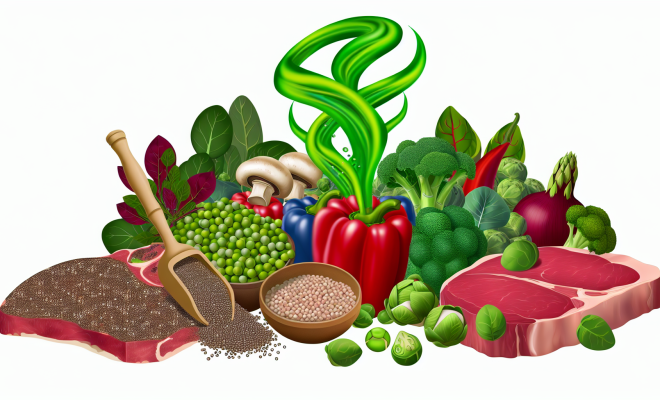
In the ever-evolving world of nutrition, one of the most astonishing revelations has emerged: high protein vegetables can pack a protein punch that rivals traditional sources like chicken and steak. This discovery is capturing the attention of health-conscious consumers, flexitarians, and fitness enthusiasts looking for nutritious yet affordable options to enhance their diets.
The Rise of Plant-Based Proteins
As dietary preferences shift towards more plant-based eating, the importance of understanding protein sources becomes increasingly relevant. While meat has long been considered the gold standard of protein, research has uncovered that certain vegetables, particularly legumes, can provide an exceptional amount of protein. For example, edamame, which is young soybeans, can contain up to 31.3 grams of protein per cup. This is a staggering figure that challenges our traditional perceptions of protein sources.
What Are High Protein Vegetables?
High protein vegetables are those that contain a significant amount of protein relative to their calorie content. These are particularly attractive for those seeking to reduce meat consumption for health, ethical, or environmental reasons. The following sections will explore the top vegetables that are surprisingly high in protein and how they can be incorporated into a balanced diet.
1. Edamame
Edamame is perhaps the champion among high protein vegetables. These immature soybeans are not only rich in protein but also packed with fiber, vitamins, and minerals. They can be enjoyed steamed, tossed in salads, or blended into dips. With 31.3 grams of protein per cup, they are an excellent choice for anyone looking to boost their protein intake without resorting to meat.
2. Lentils
Although technically legumes, lentils are often grouped with vegetables in culinary contexts. They are an incredible source of protein, offering about 18 grams per cup when cooked. Lentils are versatile and can be used in soups, salads, and as a meat substitute in various dishes. They also provide a wealth of essential nutrients, making them a fantastic addition to any diet.
3. Chickpeas
Chickpeas, also known as garbanzo beans, are another excellent source of protein, delivering around 15 grams per cup. They can be used in a myriad of ways, from hummus to salads, and offer a rich source of fiber and healthy fats as well. Chickpeas are a staple in many plant-based diets and provide a satisfying texture and taste.
4. Green Peas
Green peas are not just a side dish; they are a powerhouse of nutrition. With approximately 9 grams of protein per cup, they are an easy way to increase your protein intake. Green peas can be added to stir-fries, casseroles, or even blended into smoothies for a sweet, nutritious boost.
5. Spinach
Leafy greens often get overlooked in discussions about protein, but spinach packs a surprising punch with about 5 grams of protein per cooked cup. Beyond protein, spinach is loaded with vitamins A, C, K, and various antioxidants. Incorporating spinach into your daily meals can promote overall health while contributing to your protein goals.
6. Kale
Similar to spinach, kale is another leafy green that offers around 4 grams of protein per cooked cup. Kale is not only rich in protein but is also a great source of iron, calcium, and various vitamins. This superfood can be added to salads, smoothies, or sautéed as a side dish.
7. Brussels Sprouts
Brussels sprouts are often considered a divisive vegetable, but their health benefits are undeniable. With about 4 grams of protein per cup, they can be roasted, steamed, or included in stir-fries. Their nutty flavor becomes pronounced with cooking, making them a delicious addition to many meals.
8. Asparagus
This elegant vegetable is not only delicious but also provides about 4 grams of protein per cup. Asparagus is rich in vitamins A, C, E, and K, as well as fiber. It can be grilled, roasted, or steamed, making it a versatile addition to any dish.
9. Broccoli
Broccoli is a nutritional powerhouse that provides around 4 grams of protein per cup. It is also full of fiber, vitamins C and K, and various antioxidants. Broccoli can be enjoyed raw in salads, steamed, or roasted, and is a fantastic addition to stir-fries and pasta dishes.
10. Cauliflower
Cauliflower has gained immense popularity as a low-carb substitute for grains and legumes. It offers about 3 grams of protein per cup and can be used in various dishes, from cauliflower rice to pizza crusts. Its versatility and mild flavor make it a favorite among those looking for healthy alternatives.
Why High Protein Vegetables Matter
Incorporating high protein vegetables into your diet can have a multitude of benefits. These vegetables not only provide essential protein but also offer a host of other nutrients that support overall health. Here are a few reasons why you should consider adding them to your meals:
- Improved Muscle Repair: Protein is crucial for muscle repair and growth, making these vegetables ideal for post-workout meals.
- Weight Management: High protein foods can increase satiety, helping to control hunger and maintain a healthy weight.
- Nutrient Density: Vegetables are generally lower in calories compared to meat, allowing you to enjoy larger servings while still managing caloric intake.
- Heart Health: A diet rich in plant-based proteins has been associated with lower cholesterol levels and reduced heart disease risk.
Incorporating High Protein Vegetables into Your Diet
As the trend towards plant-based diets continues to gain traction, it’s vital to know how to incorporate these high protein vegetables into your meals. Here are some practical tips:
- Snack Wisely: Edamame and chickpeas can make for a perfect protein-rich snack. Try roasting chickpeas with spices for a crunchy treat.
- Add to Salads: Toss in lentils, green peas, or spinach to elevate the protein content of your salads.
- Make Smoothies: Incorporate leafy greens like spinach or kale into your morning smoothies for a nutritious start to the day.
- Experiment with Dishes: Use cauliflower as a base for pizza or mash it as a substitute for potatoes. Get creative with high protein vegetables in your cooking.
Conclusion: The Hidden Power of High Protein Vegetables
The increasing awareness of high protein vegetables marks a pivotal shift in how we perceive protein sources. As more people discover that vegetables like edamame and lentils can rival traditional animal proteins, we are likely to see a continued rise in plant-based eating. This not only benefits individual health but also contributes to environmental sustainability. By embracing these nutrient-dense options, consumers can feel empowered, informed, and equipped to make better dietary choices.
Incorporating high protein vegetables into your diet is not just a trend; it’s a lifestyle choice that aligns with health optimization, budget-conscious eating, and ethical considerations. So, the next time you’re planning your meals, remember the power of plants and the incredible protein they offer.