The Tech Edvocate

Top Menu

  • Advertisement
  • Apps
  • Home Page
  • Home Page Five (No Sidebar)
  • Home Page Four
  • Home Page Three
  • Home Page Two
  • Home Tech2
  • Icons [No Sidebar]
  • Left Sidbear Page
  • Lynch Educational Consulting
  • My Account
  • My Speaking Page
  • Newsletter Sign Up Confirmation
  • Newsletter Unsubscription
  • Our Brands
  • Page Example
  • Privacy Policy
  • Protected Content
  • Register
  • Request a Product Review
  • Shop
  • Shortcodes Examples
  • Signup
  • Start Here
    • Governance
    • Careers
    • Contact Us
  • Terms and Conditions
  • The Edvocate
  • The Tech Edvocate Product Guide
  • Topics
  • Write For Us
  • Advertise

Main Menu

  • Start Here
    • Our Brands
    • Governance
      • Lynch Educational Consulting, LLC.
      • Dr. Lynch’s Personal Website
      • Careers
    • Write For Us
    • The Tech Edvocate Product Guide
    • Contact Us
    • Books
    • Edupedia
    • Post a Job
    • The Edvocate Podcast
    • Terms and Conditions
    • Privacy Policy
  • Topics
    • Assistive Technology
    • Child Development Tech
    • Early Childhood & K-12 EdTech
    • EdTech Futures
    • EdTech News
    • EdTech Policy & Reform
    • EdTech Startups & Businesses
    • Higher Education EdTech
    • Online Learning & eLearning
    • Parent & Family Tech
    • Personalized Learning
    • Product Reviews
  • Advertise
  • Tech Edvocate Awards
  • The Edvocate
  • Pedagogue
  • School Ratings

logo

The Tech Edvocate

  • Start Here
    • Our Brands
    • Governance
      • Lynch Educational Consulting, LLC.
      • Dr. Lynch’s Personal Website
        • My Speaking Page
      • Careers
    • Write For Us
    • The Tech Edvocate Product Guide
    • Contact Us
    • Books
    • Edupedia
    • Post a Job
    • The Edvocate Podcast
    • Terms and Conditions
    • Privacy Policy
  • Topics
    • Assistive Technology
    • Child Development Tech
    • Early Childhood & K-12 EdTech
    • EdTech Futures
    • EdTech News
    • EdTech Policy & Reform
    • EdTech Startups & Businesses
    • Higher Education EdTech
    • Online Learning & eLearning
    • Parent & Family Tech
    • Personalized Learning
    • Product Reviews
  • Advertise
  • Tech Edvocate Awards
  • The Edvocate
  • Pedagogue
  • School Ratings
  • The Astonishing AI Standoff: Nvidia CEO Jensen Huang Challenges Altman’s Dangerous Gamble

  • Why Millions Are Ditching Degrees for These Microcredential Programs

  • The Astonishing Truth: Why Microcredentials Could Be Your Career’s Secret Weapon

  • Why Employers Are Paying 15% More for This One Credential – Not Your Degree

  • 7 Critical Steps to Safeguard Students When Implementing AI in Your Classroom

  • The Astonishing Truth: Your School’s Data Security Might Be a Time Bomb – 7 LMS Platforms That Are Actually Safe for K-12

  • The Troubling Truth: AI in Education Could Be Compromising Your Child’s Privacy

  • Revealed: The Brutal Truth About IronCircle vs Other Cybersecurity Boot Camps

  • This One Thing About University Boot Camps Is Infuriating — Don’t Fall For It

  • Revealed: The Brutal Truth About University Boot Camp Debt

Digital & Mobile Technology
Home›Digital & Mobile Technology›Data Packets: The Building Blocks of Networks

Data Packets: The Building Blocks of Networks
By Matthew Lynch
June 4, 2023
0
Spread the love

Data packets are the fundamental units of information in computer networks. They are the building blocks that allow us to share data over the internet and other networks efficiently and reliably. In this article, we’ll explore what data packets are, how they work, and why they are so essential to our modern world.

What are Data Packets?

A data packet is a small unit of data that carries information across a network. It is made up of two key parts: a header and a payload. The header contains information about the packet, such as the source and destination addresses, the packet’s size, and the type of data it contains. The payload, on the other hand, contains the actual data being sent.

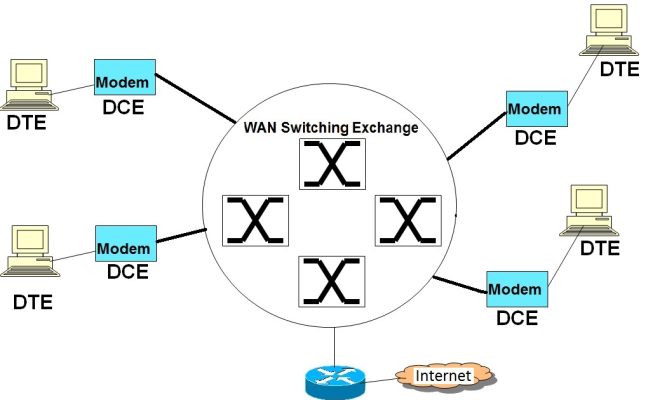
When a computer sends data over a network, it breaks it up into smaller chunks, or packets. Each packet is sent separately and may take a different path to its destination. At the receiving end, the packets are reassembled into their original form. This process is called packet switching and is what makes it possible to send data over long distances quickly and reliably.

How do Data Packets Work?

When a computer sends a data packet, it first adds the header information. This includes the source and destination addresses, so the packet knows where it needs to go. It also includes a unique identifier, so the receiving computer can identify which packets belong to the same message.

Once the header is added, the computer attaches the payload, which contains the actual data being sent. This could be anything from a text message to a video file. The size of the payload can vary depending on the type of data being sent and the network’s bandwidth.

Once the packet is complete, it is sent out over the network. Each router along the way reads the header information and makes decisions about where to send the packet next. It may also modify the header information to reflect its own address and other information.

At the receiving end, the packets are reassembled into their original form using the unique identifier in the header. The receiving computer checks to make sure all the packets arrived correctly and in the right order before delivering the data to its intended destination.

Why are Data Packets Important?

Data packets are essential to the functioning of our modern world. Without them, we would not be able to browse the internet, send emails, or make phone calls over long distances. They allow us to share data quickly and reliably, no matter where it needs to go.

Data packets also make it possible for different types of data to share the same network. For example, voice over IP (VoIP) calls can coexist with web browsing and file transfers on the same network. This makes networks more efficient and reduces the need for separate networks for different types of data.

In conclusion, data packets are the building blocks that allow us to communicate and share information over networks. They are the reason we can access the internet, send emails, and make phone calls over long distances. Thanks to data packets, we can share information quickly and efficiently, no matter where we are in the world. As our reliance on technology continues to grow, data packets will remain a crucial part of our digital infrastructure.


Previous Article

What Is Fragmentation & Defragmentation?

Next Article

What Is Microsoft PowerPoint and How Do ...

Matthew Lynch

Related articles More from author

  • Digital & Mobile Technology

    The Best Free Online Pinball Games

    July 6, 2023
    By Matthew Lynch
  • Digital & Mobile Technology

    Practical Reasons to Start Using a Virtual Machine

    June 23, 2023
    By Matthew Lynch
  • Digital & Mobile Technology

    How to Create Your Own Google Chrome Extension

    June 14, 2023
    By Matthew Lynch
  • Digital & Mobile Technology

    How to Shrink a Virtualbox VM in Windows 11

    May 9, 2023
    By Matthew Lynch
  • Digital & Mobile Technology

    Adding USB to Your Car Stereo

    June 10, 2023
    By Matthew Lynch
  • Digital & Mobile Technology

    Sites to Play Cards Against Humanity Clones Online With Your Friends

    June 8, 2023
    By Matthew Lynch

Search

Login & Registration

  • Log in
  • Entries feed
  • Comments feed
  • WordPress.org

Newsletter

Signup for The Tech Edvocate Newsletter and have the latest in EdTech news and opinion delivered to your email address!

About Us

Since technology is not going anywhere and does more good than harm, adapting is the best course of action. That is where The Tech Edvocate comes in. We plan to cover the PreK-12 and Higher Education EdTech sectors and provide our readers with the latest news and opinion on the subject. From time to time, I will invite other voices to weigh in on important issues in EdTech. We hope to provide a well-rounded, multi-faceted look at the past, present, the future of EdTech in the US and internationally.

We started this journey back in June 2016, and we plan to continue it for many more years to come. I hope that you will join us in this discussion of the past, present and future of EdTech and lend your own insight to the issues that are discussed.

Newsletter

Signup for The Tech Edvocate Newsletter and have the latest in EdTech news and opinion delivered to your email address!

Contact Us

The Tech Edvocate
910 Goddin Street
Richmond, VA 23231
(601) 630-5238
[email protected]

Copyright © 2026 Matthew Lynch. All rights reserved.