Cuba Braces for Russian Oil Shipment Amid Energy Crisis
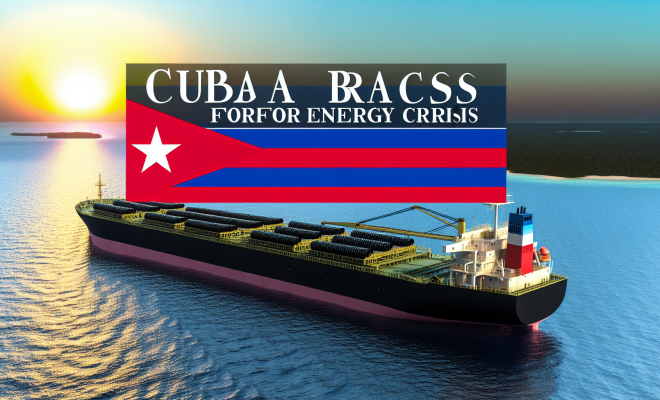
Cuba is set to receive its first shipment of Russian oil in 2026, a vital development as the island nation grapples with an escalating energy crisis. This shipment arrives at a critical time, as Cuba faces severe power outages and diminishing fuel reserves, putting immense pressure on its already fragile energy infrastructure.
The Current Energy Landscape in Cuba
In recent months, Cuba has experienced crippling energy shortages, leading to widespread blackouts that have affected both residential and commercial sectors. The situation has been exacerbated by the country’s reliance on imported fuel, with domestic production unable to meet the growing energy demands. These energy challenges highlight the vulnerabilities of countries with limited diversification options in their energy supply.
Dependence on Russian Energy
The upcoming delivery of Russian oil underscores Cuba’s ongoing dependency on foreign energy supplies, particularly from Russia. This relationship has grown stronger as global energy markets face turmoil, highlighting how geopolitical shifts can have profound effects on smaller nations struggling with energy security.
Impact of Global Energy Crisis
The current global energy crisis, driven by various factors such as geopolitical tensions, supply chain disruptions, and fluctuating prices, has left many nations vulnerable. For Cuba, the need for stable energy sources is more pressing than ever. The island’s limited ability to diversify its energy supply leaves it at the mercy of international market dynamics and the availability of foreign oil.
Rising Fuel Shortages and Blackouts
The energy shortages in Cuba have not only caused inconvenience but have also hampered economic growth and development. Businesses, particularly in the tourism and manufacturing sectors, have struggled to maintain operations amid persistent blackouts. The government has implemented rolling blackouts to manage the crisis, but these measures have led to public frustration and protests.
Government Response to Energy Challenges
In response to the crisis, the Cuban government has been seeking to secure additional oil shipments from Russia and other countries. The first shipment of 2026 is seen as a critical lifeline for the nation, allowing it to stabilize its energy grid, albeit temporarily. Cuban officials have acknowledged the dire need for more robust energy strategies, including investments in renewable energy sources, but these efforts take time and resources that are currently scarce.
The Broader Implications of Energy Dependency
Cuba’s situation is emblematic of the broader challenges faced by many countries with limited energy resources. As global energy markets fluctuate, nations that rely heavily on imports—such as Cuba—must navigate a precarious landscape. The dependency on Russian oil not only raises questions about energy security but also about the political and economic implications of such reliance.
Looking Ahead: A Path to Energy Diversification
While the immediate focus is on securing oil shipments from Russia, experts suggest that Cuba must prioritize energy diversification to mitigate future crises. Investments in renewable energy, such as solar and wind, could provide a sustainable solution to the island’s energy woes. Additionally, improving energy efficiency and modernizing infrastructure are crucial steps that need to be taken to reduce dependency on foreign oil.
Conclusion
The forthcoming shipment of Russian oil is a temporary measure in addressing Cuba’s pressing energy crisis. As the island prepares for this critical delivery, it faces the daunting task of developing a more resilient energy strategy that can withstand the challenges of a volatile global market. Without significant changes, Cuba’s reliance on external energy sources will continue to pose risks to its economic stability and growth.