Crude Oil Prices Soar to New Heights in March 2026
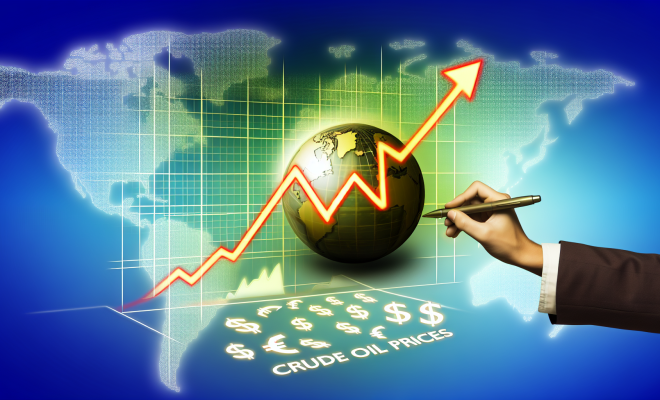
On March 30, 2026, crude oil futures reached new heights, continuing their upward trajectory as market dynamics shifted due to escalating geopolitical tensions in the Middle East. The West Texas Intermediate (WTI) crude oil for May delivery closed at $102.88 per barrel, reflecting a significant increase of 3.3%. Meanwhile, Brent crude oil for June delivery also saw a price hike, settling at $107.39 per barrel, up 2.0%.
Geopolitical Factors Driving Prices
The surge in crude oil prices is largely attributed to rising tensions between Israel and Iran. As military and political conflicts escalate, concerns about supply disruptions in the already volatile oil market have intensified. Energy prices are particularly sensitive to geopolitical events, and the current climate is no exception.
Federal Reserve’s Stance
In light of these increasing energy prices, Federal Reserve Chair Jerome Powell addressed the situation, indicating that the Fed plans to maintain interest rates at their current levels for the time being. Powell mentioned that the Fed is willing to temporarily overlook energy shocks; however, he cautioned that if the rising prices lead to altered long-term inflation expectations, the central bank may need to reassess its stance. This highlights the delicate balance the Fed must maintain in addressing inflationary pressures while fostering economic stability.
QatarEnergy’s LNG Project Begins Operations
In a significant development within the energy sector, QatarEnergy announced that the first liquefaction train at its joint venture liquefied natural gas (LNG) project with ExxonMobil in Texas has officially begun operations. This landmark facility boasts an impressive annual production capacity of 18 million tons and is expected to begin global exports in the second quarter of this year.
The commencement of operations at this LNG project is particularly timely given the increasing global demand for cleaner energy sources. As countries strive to transition away from coal and reduce their carbon footprints, LNG has emerged as a key player in the energy transition, offering a cleaner-burning alternative to traditional fossil fuels.
Impact on Global Energy Markets
The introduction of additional LNG supply from this project is expected to have several implications for global energy markets. First, it could help stabilize prices amidst the ongoing volatility in crude oil markets. Second, it may alleviate some of the pressures faced by European nations, which have been seeking to diversify their energy sources in response to geopolitical tensions and supply chain disruptions.
Mixed Movements in Petroleum Products
While crude oil prices demonstrated a clear upward trend, other petroleum products exhibited mixed performance. Notably, petroleum coke prices experienced a decline, falling by 80 RMB per ton. This drop comes amidst fluctuating demand and various market dynamics affecting petroleum byproducts.
Additionally, coking coal prices have also shown a downward trend, particularly in the Yan’an market, reflecting broader trends in the coal sector as it grapples with the ongoing shifts toward cleaner energy alternatives.
Market Outlook
Looking ahead, several factors will likely influence the energy markets in the near future:
- Geopolitical Tensions: Continued unrest in the Middle East may lead to further pricing volatility as traders respond to news and developments.
- Federal Reserve Policies: The Fed’s approach to interest rates and inflation will play a crucial role in shaping market expectations and investor sentiment.
- Supply Dynamics: The commencement of new LNG projects, like the one from QatarEnergy and ExxonMobil, could impact global supply and pricing.
- Transition to Cleaner Energy: The ongoing shift towards renewable energy sources and lower-carbon fuels will continue to influence demand for traditional fossil fuels.
In conclusion, the energy landscape is currently characterized by a mix of rising crude oil prices driven by geopolitical tensions, alongside significant developments in LNG production capacity. As the industry navigates these complexities, stakeholders will need to remain vigilant and adaptable to the changing energy market dynamics.