John Eastman to Speak at Cornell Law Federalist Society in 2026
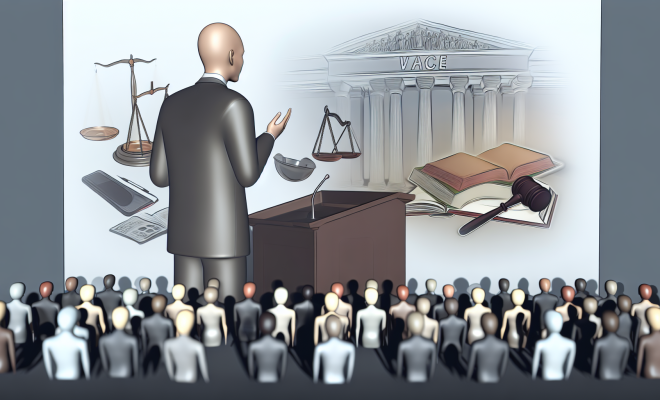
On April 16, 2026, the Federalist Society at Cornell Law School is set to host John Eastman, a lawyer known for his controversial role in the efforts to overturn the 2020 presidential election results. The event, scheduled for noon, will focus on the topic of ‘lawfare’ and the politicization of prosecution amid cultural conflicts in the United States.
Background on John Eastman
John Eastman, a former law professor and a prominent figure in conservative legal circles, has gained notoriety for his involvement in the events surrounding the 2020 election. His legal arguments and strategies were part of a broader effort to challenge the election results, which culminated in the January 6, 2021, insurrection at the U.S. Capitol.
In 2024, Eastman was disbarred in California following a ruling that found he had exhibited gross negligence by making false statements regarding the election without proper verification. The California Supreme Court upheld this disbarment on April 15, 2026, citing Eastman’s role in aiding former President Donald Trump’s attempts to overturn the election results.
Legal and Ethical Controversies
The disbarment of John Eastman has sparked ongoing debates over legal accountability and ethical standards in the legal profession. Eastman has consistently denied any wrongdoing, maintaining that the 2020 election was marred by widespread fraud. His claims have been widely discredited by courts and election officials across the country.
The California Supreme Court’s ruling emphasized Eastman’s failure to verify the information he presented while promoting unsubstantiated claims about the integrity of the election. This decision not only impacted Eastman’s career but also raised significant questions about the responsibilities of lawyers in the political arena.
The Role of the Federalist Society
The Federalist Society, a conservative legal organization, has been known for fostering debates on constitutional issues and advocating for a strict interpretation of the Constitution. By hosting Eastman, the Cornell Law Federalist Society is positioning itself at the center of a contentious discussion about the intersection of law and politics.
This event is likely to draw a polarized audience, reflecting the divided opinions on Eastman’s actions and the broader implications of his legal theories. Supporters may view Eastman as a champion of constitutional rights, while critics will see him as a symbol of the dangers posed by politicized legal strategies.
Public Reaction and Implications
The decision to invite Eastman has already stirred controversy, with various stakeholders expressing their views on social media and other platforms. Critics argue that hosting Eastman at a prestigious law school sends a troubling message about accountability in the legal profession, particularly in light of the serious implications of the January 6 insurrection.
- Supporters: Some argue that Eastman’s perspective is crucial to understanding the legal arguments surrounding election integrity and that open dialogue is necessary in a democratic society.
- Critics: Others contend that by providing a platform for Eastman, the Federalist Society is legitimizing discredited claims and undermining trust in the electoral process.
Lawfare and Cultural Conflicts
At the heart of the upcoming discussion is the concept of ‘lawfare,’ which refers to the use of legal means to achieve a political or strategic goal. Eastman is expected to elaborate on how he believes legal actions have been weaponized in cultural conflicts, particularly in the context of the 2020 election.
This theme raises important questions about the role of law in shaping political discourse and whether the judiciary can be used as a tool for political ends. The implications of such discussions are profound, as they touch on fundamental issues related to democracy, the rule of law, and the integrity of legal institutions.
The Future of Legal Accountability
As the event approaches, the legal community and the public will be watching closely to see how Eastman’s arguments resonate with attendees and what impact this event may have on ongoing discussions about election integrity and legal ethics. His presence at Cornell Law School not only highlights the ongoing divisions within the legal profession but also underscores the challenges faced by legal educators in navigating controversial issues.
In conclusion, the choice to host John Eastman at Cornell Law School represents a significant moment in the ongoing debates about accountability, ethics, and the role of law in political conflicts. As legal scholars and practitioners grapple with the fallout from the 2020 election, the discussions sparked by this event may have lasting implications for the future of law and politics in the United States.