Humanoid Robots Race in Beijing Half Marathon 2026
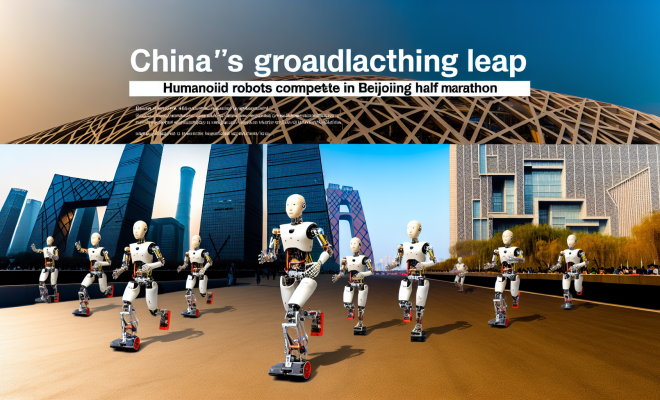
On April 19, 2026, China made headlines in the technology and sports world by hosting its inaugural half marathon featuring humanoid robots. This extraordinary event took place in Beijing, where these advanced machines ran alongside human participants over a challenging 21.1 km course. This landmark occasion not only celebrates the pinnacle of robotics innovation in China but also underscores the country’s ambition to lead in artificial intelligence (AI) and robotics.
The Rise of Humanoid Robotics
Humanoid robots have gradually transitioned from the realm of science fiction to tangible reality, displaying remarkable advancements in technology. These robots are designed to mimic human movements and behaviors, allowing them to perform tasks that require a level of dexterity and adaptability.
The growth of humanoid robotics can be attributed to several factors, including:
- Technological Advances: Innovations in AI, machine learning, and materials science have significantly improved the capabilities of robots.
- Research Investment: Significant funding from both government and private sectors has accelerated research and development in robotics.
- Public Interest: As robotics becomes more integrated into daily life, public interest and acceptance have surged, propelling further advancements.
Beijing Half Marathon: A Fitting Stage for Innovation
The Beijing half marathon was chosen as the platform for this unique showcase, emphasizing the fusion of technology and athleticism. This event attracted not only runners but also spectators and enthusiasts eager to witness the future of robotics in action.
Participants included both seasoned athletes and novices, all eager to surpass their personal bests. However, the addition of humanoid robots added an exciting twist to this traditional athletic event.
The Course and Its Challenges
Covering a distance of 21.1 kilometers, the course presented various challenges, including terrain variations, weather conditions, and the overall endurance required for such a long-distance race. The humanoid robots were programmed to navigate these challenges, showcasing their agility and adaptability.
While specific performance statistics of the robots were not disclosed, their participation alone signifies a major leap in robotics, emphasizing how humanoid technology can thrive in endurance sports.
China’s Commitment to AI and Robotics
This event is part of China’s broader strategic vision to become a global leader in AI and robotics. The country has set ambitious goals under its “Made in China 2025” initiative, which aims to enhance various high-tech industries, including robotics.
Key elements of China’s strategy include:
- Government Support: The Chinese government has implemented policies that promote research, funding, and development in AI and robotics.
- International Collaboration: China is increasingly collaborating with international firms and institutions to share knowledge and expertise.
- Education and Training: The nation is investing in education and training programs to cultivate a workforce skilled in AI and robotics technologies.
The Robotics Sector: Growth and Potential
China’s robotics sector has been experiencing exponential growth. According to industry reports, the market for industrial robots alone is projected to reach approximately $60 billion by 2025. This boom is driven by automation in manufacturing, logistics, and increasingly, in consumer services.
Moreover, the integration of humanoid robots into various sectors is anticipated to transform industries, including:
- Healthcare: Robots are being developed to assist in surgeries, provide patient care, and support elderly individuals.
- Service Industry: Humanoid robots are being deployed in restaurants, hotels, and customer service roles.
- Education: Robots are being utilized as teaching assistants, providing interactive learning experiences.
Global Reactions and Future Implications
The introduction of humanoid robots in events like the Beijing half marathon has sparked conversations worldwide regarding the implications of robotics in society. While some celebrate this technological advancement, others express concerns about the potential impact on employment and social interactions.
As robots become more capable, questions arise:
- Will robots replace human jobs?
- How will society adapt to coexisting with intelligent machines?
- What ethical considerations must be addressed in robotics development?
The Future of Robotics in Sports
As the sports industry continues to evolve, the involvement of robots may become more commonplace. Future events could see increased participation of humanoid robots in various athletic competitions, paving the way for enhanced training methods, performance analysis, and even new sports entirely designed for robotic competitors.
In addition, the data gathered from such events could provide invaluable insights into the biomechanics of running and human performance, further pushing the boundaries of athletic achievement.
Conclusion: A New Era of Human-Robot Collaboration
The Beijing half marathon featuring humanoid robots marks a pivotal moment in the convergence of technology and athletics. This event not only showcases the advancements in robotics but also reflects China’s commitment to leading the AI revolution. As we move forward, the collaboration between humans and robots will likely redefine our understanding of capability and performance.
As technology continues to advance, the possibilities seem limitless. The Beijing half marathon is just the beginning, and as we embrace this new era, it will be fascinating to witness how robotics will shape our future—from sports to everyday life.