Cheboygan Declares Emergency as River Nears Dam Breach 2026
Emergency Response Activated as Waters Rise
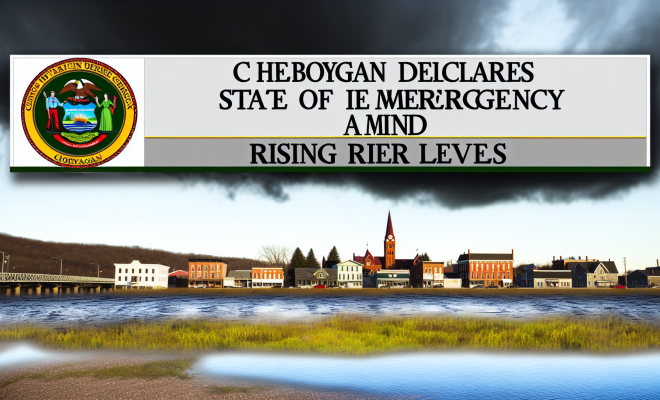
Cheboygan, Michigan, is facing a critical situation as rising river levels have led to the declaration of a state of emergency. In just 24 hours, the local river rose alarmingly close to the top of the Cheboygan Dam, with water levels reaching within 18 inches of breaching the dam. This rapid increase has prompted local and state agencies to take immediate action in order to mitigate potential flooding and ensure the safety of residents.
State of Emergency Declared
On April 11, 2026, Michigan Governor Gretchen Whitmer announced the activation of the state’s Emergency Operations Center. This decisive move is intended to facilitate coordinated responses among local, state, and federal entities, allowing for a more effective management of the emerging crisis. The state’s emergency declaration not only heightens awareness of the situation but also opens the door for additional resources and potential federal assistance should conditions continue to worsen.
Collaborative Efforts to Manage the Crisis
In response to the rising waters, multiple response teams have been mobilized, led by the Michigan Department of Natural Resources (MDNR) and the Department of Environment, Great Lakes, and Energy (EGLE). Their primary focus is to manage water outflow from the Cheboygan Dam effectively, which is crucial in preventing potential flooding of nearby areas.
The teams are also assessing the condition of the dam’s hydroelectric generator, which has reportedly sustained damage. Addressing this issue is vital not only for maintaining the dam’s structural integrity but also for ensuring that power generation remains uninterrupted during this emergency.
Potential Risks and Community Impact
The ramifications of the rising water levels extend beyond infrastructure; they pose significant risks to the local community. Cheboygan residents are urged to stay vigilant as local authorities monitor the situation closely. Flooding could lead to property damage, disruptions in daily life, and potential health hazards.
- Property Damage: Homes and businesses situated near the river could face severe flooding, resulting in costly repairs and loss of possessions.
- Health Hazards: Floodwaters can carry contaminants, posing health risks to residents, especially if they come into contact with the water.
- Emergency Services Strain: Local emergency services may become overwhelmed as they respond to calls for assistance, straining resources further.
Community Response and Preparedness
In light of the emergency declaration, community leaders are urging residents to prepare for possible evacuations and to remain informed about the situation. Residents are encouraged to:
- Have an emergency kit ready, including essential supplies such as food, water, medications, and important documents.
- Stay tuned to local news channels and official social media platforms for updates from local authorities.
- Heed evacuation orders if issued, as safety is the top priority during such emergencies.
Looking Ahead: Monitoring and Recovery
As the situation unfolds, local officials are continuously monitoring the river levels and assessing the effectiveness of the measures being implemented. The coordination between local and state agencies is crucial in ensuring that resources are allocated efficiently and that the community is kept safe.
The potential long-term impacts of this flooding event are still uncertain, but officials are prepared to tackle recovery efforts once immediate threats are addressed. Past experiences with flooding in the region have shown that recovery can take considerable time, requiring a collaborative effort from both government and community members.
Conclusion
The declaration of a state of emergency in Cheboygan highlights the growing concerns surrounding climate change and its impact on local environments. As extreme weather patterns become more frequent, communities must be prepared to respond swiftly and effectively. For now, the focus remains on managing the rising water levels and ensuring the safety of residents as the situation continues to develop.