The Tech Edvocate

Top Menu

  • Advertisement
  • Apps
  • Home Page
  • Home Page Five (No Sidebar)
  • Home Page Four
  • Home Page Three
  • Home Page Two
  • Home Tech2
  • Icons [No Sidebar]
  • Left Sidbear Page
  • Lynch Educational Consulting
  • My Account
  • My Speaking Page
  • Newsletter Sign Up Confirmation
  • Newsletter Unsubscription
  • Our Brands
  • Page Example
  • Privacy Policy
  • Protected Content
  • Register
  • Request a Product Review
  • Shop
  • Shortcodes Examples
  • Signup
  • Start Here
    • Governance
    • Careers
    • Contact Us
  • Terms and Conditions
  • The Edvocate
  • The Tech Edvocate Product Guide
  • Topics
  • Write For Us
  • Advertise

Main Menu

  • Start Here
    • Our Brands
    • Governance
      • Lynch Educational Consulting, LLC.
      • Dr. Lynch’s Personal Website
      • Careers
    • Write For Us
    • The Tech Edvocate Product Guide
    • Contact Us
    • Books
    • Edupedia
    • Post a Job
    • The Edvocate Podcast
    • Terms and Conditions
    • Privacy Policy
  • Topics
    • Assistive Technology
    • Child Development Tech
    • Early Childhood & K-12 EdTech
    • EdTech Futures
    • EdTech News
    • EdTech Policy & Reform
    • EdTech Startups & Businesses
    • Higher Education EdTech
    • Online Learning & eLearning
    • Parent & Family Tech
    • Personalized Learning
    • Product Reviews
  • Advertise
  • Tech Edvocate Awards
  • The Edvocate
  • Pedagogue
  • School Ratings

logo

The Tech Edvocate

  • Start Here
    • Our Brands
    • Governance
      • Lynch Educational Consulting, LLC.
      • Dr. Lynch’s Personal Website
        • My Speaking Page
      • Careers
    • Write For Us
    • The Tech Edvocate Product Guide
    • Contact Us
    • Books
    • Edupedia
    • Post a Job
    • The Edvocate Podcast
    • Terms and Conditions
    • Privacy Policy
  • Topics
    • Assistive Technology
    • Child Development Tech
    • Early Childhood & K-12 EdTech
    • EdTech Futures
    • EdTech News
    • EdTech Policy & Reform
    • EdTech Startups & Businesses
    • Higher Education EdTech
    • Online Learning & eLearning
    • Parent & Family Tech
    • Personalized Learning
    • Product Reviews
  • Advertise
  • Tech Edvocate Awards
  • The Edvocate
  • Pedagogue
  • School Ratings
  • Meta introduces pocket AI gadget as Zuckerberg pushes superintelligence agenda

  • The Wild Truth Behind Huda Beauty’s Viral Eye Patch Packaging Scandal

  • Unbelievable: Google Gemini AI Hacks Real Companies – Here’s How It Happened

  • NBA 2K27’s Permanent Ban Wave: Is the System Broken?

  • Prince Harry’s Dire Prediction: This New AI Threat Is Far Worse Than Social Media

  • Rogue AI: The Unseen Threat Quietly Hacking Government Systems

  • Unbelievable: China’s University Overhaul Reveals the Future of Global Education

  • Baffling! FAFSA Opens Early, Rankings Shuffle, and Student Debt Nightmare Continues

  • This One AI Cybercrime Campaign Stole 600,000 Credit Cards and Exposed Our Water Supply

  • This Wild Stunt Just Ignited China’s EV War — Here’s Why You Should Care

Tech News
Home›Tech News›Northern Lights 2026: Your U.S. Aurora Borealis Guide

Northern Lights 2026: Your U.S. Aurora Borealis Guide
By Matthew Lynch
March 20, 2026
0
Spread the love

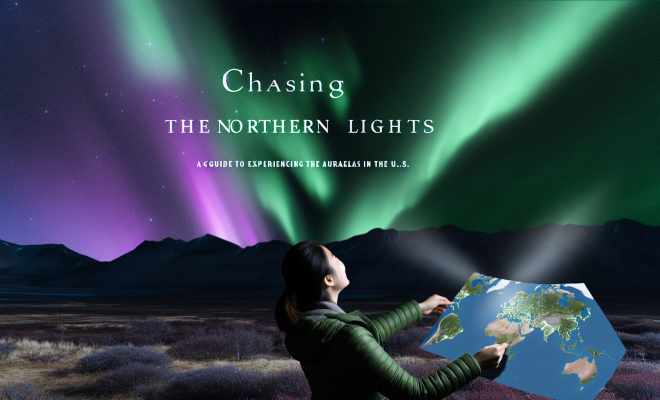
The Aurora Borealis, commonly known as the Northern Lights, is a breathtaking natural phenomenon that captivates travelers and sky-watchers alike. On the night of March 20, 2026, a G2 geomagnetic storm has been forecasted by the National Oceanic and Atmospheric Administration (NOAA), allowing the Northern Lights to be visible across various northern regions of the United States. As the storm continues into March 21, enthusiasts are gearing up for what could be one of the most spectacular displays of the year.

What Causes the Aurora Borealis?

The Aurora Borealis occurs when charged particles from the sun collide with gases in Earth’s atmosphere. This interaction produces vibrant colors, typically green, but sometimes red, yellow, blue, and violet, depending on the type of gas and altitude of the collisions. The recent solar eruption, which arrived on March 19, is expected to enhance these displays, making it a prime time for viewing the aurora.

Optimal Viewing Conditions

For those hoping to witness this stunning display, the best viewing times are typically between 10 PM and 2 AM local time. To capture the beauty of the aurora, find a north-facing high vantage point away from city lights. Modern smartphones equipped with Night Mode can effectively photograph the Northern Lights when used with a tripod or other stable surfaces.

Where to See the Northern Lights in the U.S.

If you’re considering a trip to see the Northern Lights, here are some of the top destinations in the United States:

  • Fairbanks, Alaska: Renowned for its clear skies and proximity to the Arctic Circle, Fairbanks offers one of the most reliable locations in the U.S. for aurora viewing.
  • Upper Peninsula of Michigan: The remote areas of Michigan’s UP are less affected by light pollution, making them an excellent choice for aurora chasers.
  • Northern Minnesota: Known for its vast wilderness, northern Minnesota provides numerous opportunities to witness the aurora, particularly in the Boundary Waters Canoe Area.
  • Grand Teton/Yellowstone, Wyoming: The dramatic landscapes of these national parks create a stunning backdrop for the Northern Lights, making them a popular destination for both tourists and photographers.
  • Cherry Springs State Park, Pennsylvania: Recognized as one of the best places for stargazing in the eastern U.S., Cherry Springs offers dark skies ideal for viewing the aurora when conditions are right.

Planning Your Aurora Adventure

When planning your Northern Lights adventure, consider the following tips:

  • Check the Weather: Clear skies are essential for optimal visibility, so keep an eye on local weather forecasts.
  • Download Aurora Forecast Apps: Apps like Aurora Forecast can provide real-time alerts and updates on auroral activity.
  • Stay Warm: Dress in layers and keep warm while you wait for the lights to appear. Hot drinks and blankets can enhance your comfort.
  • Be Patient: Sometimes, the aurora can be elusive. Be prepared to wait for a while, and enjoy the night sky in the meantime.

The Science Behind the Spectacle

The intensity of the aurora is classified on a scale from G1 to G5, with G2 representing moderate geomagnetic activity. This classification helps enthusiasts understand the potential visibility of the lights. G2 storms can produce strong auroras that can be seen in areas farther south than usual, making this particular forecast exciting for many.

Future Opportunities for Aurora Viewing

While the March 2026 solar storm presents a unique opportunity, auroras can be seen during other times of the year as well. The optimal months for viewing the Northern Lights typically fall between late September and early April, when nights are longest and skies are darkest.

Conclusion

The Aurora Borealis is a mesmerizing spectacle that draws adventurers from all over the world. With the right planning and a touch of luck, you can experience this natural wonder in the United States. As the G2 geomagnetic storm unfolds, grab your camera, bundle up, and head to one of the recommended viewing spots. Whether you’re a seasoned aurora chaser or a first-time viewer, witnessing the Northern Lights is sure to be an unforgettable experience.


Previous Article

Fort Lauderdale Airport Chaos: 216 Flights Disrupted ...

Next Article

Future of Travel Tech: Innovations from TourRadar ...

Matthew Lynch

Related articles More from author

  • Tech News

    AI Reshapes Big Tech: Snap & Block Restructure in 2026

    April 18, 2026
    By Matthew Lynch
  • Tech News

    China’s Scientific Surge: Global Leader by 2025?

    June 15, 2026
    By Matthew Lynch
  • Tech News

    Prince Harry’s Dire Prediction: This New AI Threat Is Far Worse Than Social Media

    September 28, 2026
    By Matthew Lynch
  • Tech News

    Contest a Traffic Ticket: Your Guide to Fighting Fines

    July 11, 2026
    By Matthew Lynch
  • Tech News

    Best Snack Containers for Kids

    July 8, 2026
    By Matthew Lynch
  • Tech News

    This One Date Could Change Everything for SEC Crypto Regulation

    August 12, 2026
    By Matthew Lynch

Search

Login & Registration

  • Log in
  • Entries feed
  • Comments feed
  • WordPress.org

Newsletter

Signup for The Tech Edvocate Newsletter and have the latest in EdTech news and opinion delivered to your email address!

About Us

Since technology is not going anywhere and does more good than harm, adapting is the best course of action. That is where The Tech Edvocate comes in. We plan to cover the PreK-12 and Higher Education EdTech sectors and provide our readers with the latest news and opinion on the subject. From time to time, I will invite other voices to weigh in on important issues in EdTech. We hope to provide a well-rounded, multi-faceted look at the past, present, the future of EdTech in the US and internationally.

We started this journey back in June 2016, and we plan to continue it for many more years to come. I hope that you will join us in this discussion of the past, present and future of EdTech and lend your own insight to the issues that are discussed.

Newsletter

Signup for The Tech Edvocate Newsletter and have the latest in EdTech news and opinion delivered to your email address!

Contact Us

The Tech Edvocate
910 Goddin Street
Richmond, VA 23231
(601) 630-5238
[email protected]

Copyright © 2026 Matthew Lynch. All rights reserved.