Moon & Jupiter Alignment: A Celestial Spectacle March 26
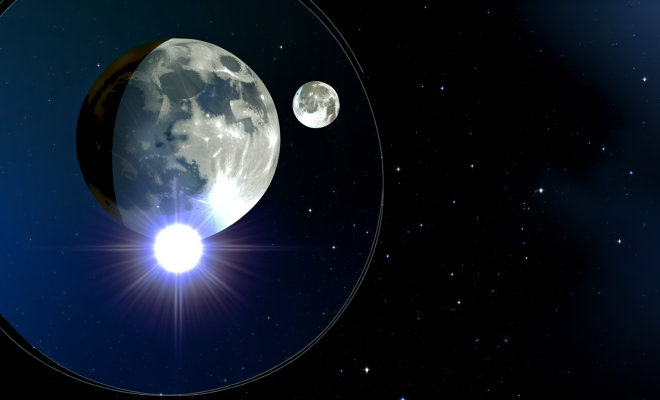
As the cosmos continues to captivate skywatchers, March 26 presents a spectacular opportunity for astronomy enthusiasts and casual stargazers alike. On this date, the moon will reach its half-moon phase, perfectly positioning itself between the giant planet Jupiter and the bright star Pollux in the constellation Gemini. This celestial alignment not only offers a striking visual display but also serves as an excellent chance for observers using telescopes and binoculars to enhance their stargazing experience.
Understanding the Alignment
During the evening of March 26, the moon will appear as a half-disc, officially known as the first quarter phase. At this point, half of the moon is illuminated by the sun, making it an ideal time for observation. The moon’s placement between Jupiter and Pollux creates a fascinating triangle in the night sky, with both bright objects easily visible to the naked eye.
The Role of Jupiter
Jupiter, the largest planet in our solar system, is renowned for its brilliance and size. On March 26, it will shine brightly in the night sky, making it easier for observers to locate it among the surrounding stars. Its striking visibility is particularly helpful for those who may not have extensive experience with stargazing, as it can serve as a beacon to guide you towards other celestial bodies.
Pollux: The Luminous Star
Pollux, one of the two prominent stars in the constellation Gemini, is also a key player in this cosmic event. It is classified as a giant star and boasts a distinct golden hue, standing out against the backdrop of the night sky. Along with its twin, Castor, Pollux forms the constellation’s recognizable shape, making it an excellent reference point for locating Jupiter and the moon.
Optimal Viewing Conditions
For those looking to catch this stunning celestial display, clear skies will be essential. Observers are advised to seek out locations with minimal light pollution for the best viewing experience. Urban areas can often obscure the visibility of celestial events, so finding a dark spot can significantly enhance your ability to see both the moon and Jupiter clearly.
Equipment Recommendations
While both the moon and Jupiter can be viewed with the naked eye, using binoculars or a telescope can greatly enrich the experience. Here are some recommendations:
- Binoculars: A pair of binoculars with a magnification of 10x or more will allow you to see the moon’s craters and Jupiter’s moons, including the Galilean moons: Io, Europa, Ganymede, and Callisto.
- Telescope: A small telescope can provide a more detailed view of the moon’s surface and the planet’s cloud bands, as well as its moons.
- Smartphone Apps: Consider using astronomy apps to help you identify celestial bodies and track their movements throughout the night.
Engaging with the Night Sky
March 26 is not only about witnessing the alignment; it also presents an opportunity to engage with the wonders of astronomy. Skywatching can be a deeply rewarding experience, fostering a connection with the universe. Here are a few tips to enhance your stargazing:
- Join Local Astronomy Clubs: Many communities have clubs that organize stargazing events. Connecting with fellow astronomy enthusiasts can provide valuable insights and enhance your experience.
- Keep a Journal: Documenting your observations can help you track the changes in the night sky over time, making each viewing session more meaningful.
- Learn the Constellations: Familiarizing yourself with the constellations can add context to what you see, making each observation more enriching.
The Importance of Astronomy
Astronomy has captivated humanity for centuries, offering insight into our place in the universe. Observing celestial events like the March 26 alignment can inspire curiosity and wonder, encouraging individuals to explore the cosmos further. It also serves as a reminder of the beauty and complexity of the universe, urging us to appreciate the science behind what we see.
Conclusion
As March 26 approaches, mark your calendars and prepare for a night filled with celestial beauty. The alignment of the half-moon, Jupiter, and Pollux will not only create a stunning visual tableau but also offer a chance to engage with the wonders of our universe. Whether you are an experienced astronomer or a casual observer, this event promises to be a highlight of the astronomical calendar.