Catastrophic: Danube River’s Shrinking Waters Threaten Blackouts Across Eastern Europe
Imagine a river, a lifeline for millions, slowly dwindling to a trickle. Not just any river, but the mighty Danube, a waterway that has shaped civilizations, economies, and cultures across Central and Eastern Europe for millennia. Now, picture that same river, parched and shallow, pushing entire nations to the precipice of an energy emergency. This isn’t a dystopian novel; it’s the harsh reality unfolding right now, a direct consequence of persistent drought and relentless heat waves that have sent water levels plummeting to historic lows. The ripple effect is profound, threatening everything from industrial output to the very comfort of homes during scorching summer months.
The Danube river energy crisis isn’t some abstract future problem; it’s a present-day dilemma with immediate and tangible impacts. We’re talking about nuclear power plants, the backbone of national grids, struggling to stay online because their vital cooling systems lack sufficient water. This isn’t just a hiccup; it’s a fundamental challenge to the energy security of nations like Hungary and Romania, exposing deep vulnerabilities in their infrastructure and raising serious questions about climate resilience. And if you think this is just a regional issue, think again. The interconnectedness of European energy markets means that distress in one corner can quickly reverberate across the continent, affecting supply, prices, and stability for everyone.
The Danube’s Dire State: A Visual and Emotional Shock
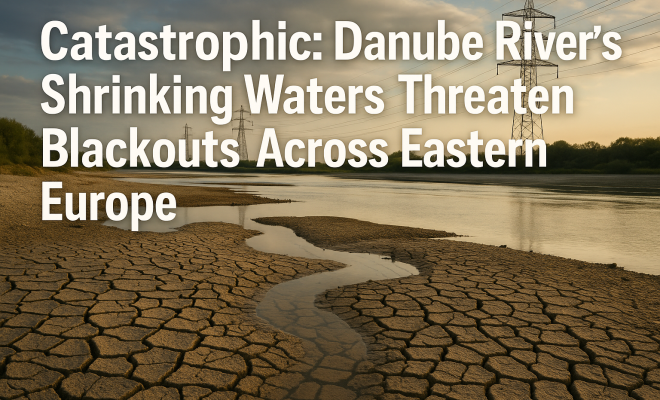
The images coming out of the Danube region are nothing short of shocking. What was once a broad, powerful river is now, in many stretches, a shadow of its former self. Exposed riverbeds, previously hidden beneath meters of water, reveal remnants of forgotten eras – shipwrecks from centuries past, now stark reminders of the river’s historic depth. For communities that live and breathe the Danube, these visuals are deeply unsettling. It’s not just a matter of logistics or economics; it’s an emotional blow, a sign that something fundamental is changing in their environment.
This dramatic transformation isn’t just captivating local news; it’s generating massive traction across social media platforms. People are sharing images and videos, expressing a mix of disbelief, concern, and anger. Why the intense reaction? For one, the direct impact on daily life is immediate and personal. The threat of blackouts during a heatwave is not a theoretical problem; it’s a terrifying prospect that directly affects comfort, safety, and even health. Imagine trying to sleep in 40-degree Celsius heat with no air conditioning, or struggling to keep food fresh without refrigeration. The emotional charge is palpable, creating a widespread sense of urgency and vulnerability.
Hungary’s Paks Plant: A Nuclear Giant on Its Knees
One of the most concerning developments in this unfolding Danube river energy crisis comes from Hungary. The Paks Nuclear Power Plant, a critical component of the nation’s energy infrastructure, is a behemoth, typically churning out a robust 2,000 megawatts of electricity. That’s enough to power a significant portion of Hungary, providing a stable, low-carbon energy source. But Paks, like many large thermal power plants, relies heavily on water – in this case, from the Danube – for its cooling systems. Without sufficient water to dissipate the immense heat generated by nuclear fission, the plant simply cannot operate at full capacity.
The current situation is stark: Paks is producing a mere 240 megawatts. That’s a staggering 88% reduction from its usual output. Think about the implications of that kind of shortfall. It means Hungary is suddenly scrambling to find alternative power sources, likely more expensive and potentially dirtier ones, or facing the grim reality of energy rationing. And the fear of a complete shutdown looms large. If the Danube’s levels continue to drop, or if water temperatures rise too high, Paks might have no choice but to power down entirely. Such an event would send shockwaves through the Hungarian economy and society, making the current challenges seem minor by comparison. It underscores just how vulnerable even seemingly robust energy systems are to environmental shifts.
Romania’s Cernavoda: Half Capacity, Full Alert
Hungary isn’t alone in this predicament. Across the border, Romania is grappling with similar challenges at its Cernavoda Nuclear Power Plant. This facility, another key player in regional energy supply, has already been forced to take drastic measures. One of its reactor units is completely offline, and the plant as a whole is operating at a mere 50% capacity. This isn’t a decision taken lightly; shutting down a nuclear reactor is a complex and costly process, indicative of the severity of the water scarcity.
The Romanian government has responded by declaring a nationwide state of alert in the energy sector. This isn’t just bureaucratic jargon; it’s a formal recognition of a critical situation, empowering authorities to implement emergency measures, prioritize energy distribution, and potentially even impose restrictions on consumption. It signals to the public and to businesses that the nation’s energy supply is under severe strain, and that everyone needs to be prepared for potential disruptions. For a country already navigating various economic pressures, an energy crisis of this magnitude adds another layer of complexity and uncertainty, impacting everything from industrial production schedules to the everyday lives of citizens.
The Broader Impact: Navigation, Agriculture, and Ecosystems
While the focus understandably gravitates towards the immediate energy crisis, the low Danube levels create a cascade of problems far beyond power generation. The Danube is a vital artery for inland navigation, connecting ten European countries and facilitating the movement of goods, from agricultural products to industrial raw materials. Shallow water levels mean cargo ships must lighten their loads, increasing the number of trips required and thus inflating transportation costs and delivery times. Some stretches become entirely unnavigable for larger vessels, forcing rerouting or reliance on more expensive road and rail transport. (See: Danube River drought impacts Europe.)
Agriculture along the Danube basin also faces immense pressure. Farmers rely on the river for irrigation, and dwindling supplies threaten crop yields, particularly during these periods of extreme heat. This could lead to higher food prices and potential food insecurity. Furthermore, the river’s ecosystem is under severe stress. Fish populations, migratory birds, and aquatic plants are all impacted by changes in water temperature, flow, and oxygen levels. A struggling ecosystem has long-term ramifications for biodiversity and environmental health, adding another layer of concern to the unfolding Danube river energy crisis.
Climate Change: The Elephant in the Riverbed
It’s impossible to discuss the current Danube river energy crisis without acknowledging the pervasive role of climate change. While droughts and heatwaves are natural phenomena, their increased frequency, intensity, and duration are directly linked to a warming planet. Scientists have repeatedly warned that Southern and and Eastern Europe are particularly vulnerable to these climate impacts, predicting more extreme weather events, including prolonged dry spells and soaring temperatures. This isn’t just bad luck; it’s a pattern, a trend that demands systemic responses.
The current situation on the Danube serves as a stark, real-time illustration of these predictions. The river’s woes are a microcosm of a larger global challenge, demonstrating how quickly climate-related changes can translate into tangible economic and social crises. It forces a critical re-evaluation of long-term energy strategies, infrastructure planning, and water management policies across the continent. Relying on historical averages for river levels and temperatures is no longer sufficient; planning must now account for a future defined by increased volatility and extremes.
Beyond the Crisis: Long-Term Solutions and Adaptation
Addressing the Danube river energy crisis requires more than just short-term fixes; it demands a comprehensive, forward-thinking approach to energy and water management. For countries heavily reliant on river-cooled power plants, this means exploring alternative cooling technologies that are less water-intensive, or even considering a shift away from these types of facilities in vulnerable regions. Investing in renewable energy sources like solar and wind, which are less dependent on water availability, becomes even more critical. These technologies not only reduce carbon emissions but also enhance energy security by diversifying the energy mix.
Furthermore, significant investment in grid modernization and energy storage solutions is essential. A smarter, more resilient grid can better integrate intermittent renewables and manage demand fluctuations. Battery storage technologies, for instance, can store excess energy generated during peak production times and release it when traditional sources are constrained. On the water management front, strategies like improving irrigation efficiency, promoting water-saving agricultural practices, and investing in water retention infrastructure (like reservoirs) can help mitigate the impacts of drought. International cooperation among Danube basin countries will also be paramount to manage shared water resources effectively and sustainably.
The Economic Fallout: From Businesses to Households
The economic ramifications of this Danube river energy crisis are far-reaching. For businesses, particularly energy-intensive industries, the threat of blackouts or increased electricity prices can be devastating. Manufacturing plants might be forced to halt production, leading to lost revenue and potential layoffs. Supply chains, already fragile from recent global disruptions, face further bottlenecks as river transport becomes unreliable. Small businesses, from restaurants to retail, could see significant losses if power outages disrupt operations during peak hours, especially in a heatwave where air conditioning is essential for customer comfort.
For households, the impact is equally severe. Higher energy bills, should countries resort to more expensive energy imports, will squeeze budgets already strained by inflation. The discomfort and potential health risks of living without reliable power during extreme heat are considerable. Vulnerable populations, such as the elderly and those with pre-existing health conditions, are particularly at risk. The social contract, where citizens expect reliable basic services, comes under immense pressure when such fundamental needs are compromised. This isn’t just about kilowatts; it’s about quality of life and economic stability.
Monetization Potential: Meeting the Demand for Resilience
While the Danube river energy crisis presents immense challenges, it also highlights a burgeoning market for solutions that address energy insecurity. The public’s heightened awareness and the direct impact on daily life create a strong commercial intent for products and services that offer resilience. Consider the high-CPC (Cost Per Click) niches that are seeing a surge in interest:
- Home Energy Solutions: As the threat of blackouts looms, homeowners are actively seeking ways to protect themselves. This includes generators (both portable and whole-house systems), battery storage solutions (like solar-plus-battery setups), and even smaller, portable power stations for essential devices. The desire for energy independence is growing, driving demand for these products.
- Insurance: Businesses and individuals are becoming more aware of the financial risks associated with energy disruptions. This could lead to increased interest in business interruption insurance, home insurance policies that cover generator installation or food spoilage due to power outages, and even travel insurance that accounts for infrastructure disruptions.
- Real Estate & Energy Efficiency: The crisis underscores the value of energy-efficient homes and buildings. Property owners are now more likely to invest in upgrades like improved insulation, energy-efficient windows, smart thermostats, and solar panels, not just for environmental reasons but for the tangible benefit of reduced energy consumption and enhanced resilience against price hikes or outages. Energy performance certificates and green building certifications gain even more significance.
This situation acts as a powerful catalyst, transforming a theoretical concern into an immediate, actionable need. Companies that can provide reliable, cost-effective solutions for energy resilience are poised to meet this growing demand, offering practical relief in uncertain times.
The Path Forward: Collective Action and Proactive Planning
The Danube river energy crisis is a stark reminder that our reliance on natural systems for essential services is profound, and our vulnerability to environmental changes is increasing. This isn’t just a problem for Hungary or Romania; it’s a wake-up call for every nation that relies on shared resources and interconnected systems. The immediate task is to mitigate the current challenges, ensuring that homes and critical infrastructure receive the power they need during these difficult times. This might involve activating emergency protocols, importing power from less affected regions, and implementing temporary demand-side management measures. (See: Drought affecting energy supply in Europe.) There’s a fuller look at California's energy challenges.
However, the long-term solution lies in proactive planning and collective action. This means accelerating the transition to diversified, sustainable energy sources, investing in resilient infrastructure, and implementing robust water management strategies that account for a changing climate. It requires international cooperation, shared data, and a willingness to make difficult decisions today for a more secure tomorrow. The Danube’s shrinking waters are not just a warning; they are an urgent call to reshape our relationship with the environment and our approach to energy security.
Expert Perspectives: Warnings from Hydrologists and Energy Analysts
Hydrologists have been sounding the alarm for years about the increasing variability of river flows in Europe. Dr. Elena Petrova, a leading expert in fluvial geomorphology at the University of Vienna, notes, “We’ve observed a consistent trend of lower summer flows and earlier snowmelt across the Danube basin for the past two decades. What we’re seeing now isn’t an anomaly, but rather an acceleration of a predicted pattern. The ‘100-year drought’ is becoming a much more frequent occurrence.” Her research highlights how changes in precipitation patterns, coupled with higher evaporation rates due to rising temperatures, are fundamentally altering the Danube’s hydrological regime.
Energy analysts, like Markus Schmidt from the European Energy Agency, echo these concerns, pointing out the systemic risk this poses to conventional power generation. “Nuclear and thermal power plants were designed with specific river flow and temperature parameters in mind. When those parameters are breached, the plants can’t operate safely or efficiently. The Danube river energy crisis is a vivid example of how climate change directly translates into grid instability. Diversifying away from large, centralized power plants dependent on vast water resources is no longer just an environmental goal; it’s an economic and security imperative.” These expert insights underscore the urgency of the situation and the need for immediate, evidence-based policy shifts.
The Role of Geopolitics: Energy Independence and Regional Stability
The Danube river energy crisis isn’t happening in a vacuum; it’s unfolding against a complex geopolitical backdrop. European nations, already grappling with energy independence concerns stemming from recent international conflicts, find themselves in an even more precarious position. Reliance on external energy sources, whether fossil fuels or electricity imports, creates vulnerabilities. A domestic crisis, like the one on the Danube, exacerbates these existing tensions and can strain regional relationships.
Countries that are less affected by the drought might be called upon to provide emergency power to their neighbors, potentially at higher prices or with political conditions attached. This can create friction and undermine the spirit of cooperation crucial for regional stability. The crisis highlights the need for a truly integrated European energy strategy that considers climate resilience, supply chain security, and diplomatic relations. It’s not just about keeping the lights on; it’s about maintaining social cohesion and political stability in a challenging era.
Comparison to Other River Basins: A Global Wake-Up Call
While the Danube river energy crisis is immediate and impactful for Europe, it’s part of a broader global trend. Rivers like the Colorado River in the United States, the Yangtze in China, and the Rhine in Western Europe have all experienced similar record-low water levels in recent years, leading to comparable challenges for hydropower, navigation, and agriculture. The Colorado River, for example, has seen its major reservoirs, Lake Mead and Lake Powell, drop to historic lows, jeopardizing water supply for millions and threatening hydroelectric power generation. We covered Bangladesh's new austerity measures in more detail.
These parallel crises around the world serve as a collective wake-up call. They demonstrate that climate change impacts on water resources are not isolated incidents but a systemic threat to infrastructure and economies globally. Learning from the experiences and adaptation strategies (or lack thereof) in other river basins can provide valuable lessons for the Danube region. It emphasizes that coordinated international efforts, sharing of best practices, and innovative solutions are essential to navigate a future where water scarcity and extreme weather events become more common.
FAQ: Understanding the Danube River Energy Crisis
Q1: What exactly caused the Danube river energy crisis?
A1: The crisis is primarily caused by persistent and severe drought conditions coupled with extreme heatwaves across Central and Eastern Europe. These climate phenomena have led to historically low water levels in the Danube River, which is crucial for cooling nuclear and thermal power plants, facilitating navigation, and supporting agriculture. (See: Climate change and river ecosystems.)
Q2: Which countries are most affected by this crisis?
A2: Hungary and Romania are currently among the most significantly affected, particularly concerning their nuclear power plants (Paks in Hungary and Cernavoda in Romania) which rely on Danube water for cooling. Other countries along the Danube basin also experience impacts on river navigation, agriculture, and local ecosystems.
Q3: How do low water levels impact nuclear power plants?
A3: Nuclear power plants, like many thermal power plants, require vast amounts of water to cool their reactors and dissipate excess heat. When river levels are too low, or water temperatures are too high, the plants cannot operate safely or efficiently, forcing them to reduce output or even shut down to prevent overheating and potential damage.
Q4: Is this just a temporary problem, or a long-term concern?
A4: While the immediate crisis might abate with sufficient rainfall, scientists and hydrologists warn that the increased frequency, intensity, and duration of droughts and heatwaves are directly linked to climate change. This suggests that similar events are likely to occur more often, making it a significant long-term concern that requires systemic adaptation and mitigation strategies.
Q5: What are the main economic consequences of the crisis?
A5: The economic fallout is widespread, including reduced electricity generation leading to potential blackouts, higher energy prices, and increased reliance on more expensive imported power. Navigation on the Danube is disrupted, increasing shipping costs and supply chain delays. Agriculture suffers from inadequate irrigation, threatening crop yields and potentially leading to higher food prices. Businesses face operational challenges, and households experience higher utility bills and discomfort during heatwaves.
Q6: What measures are being taken to address the crisis?
A6: Short-term measures include activating emergency energy protocols, importing power, and implementing temporary demand-side management. Long-term solutions involve accelerating the transition to renewable energy sources (solar, wind), investing in energy storage and grid modernization, improving water management (e.g., more efficient irrigation, water retention infrastructure), and fostering international cooperation among Danube basin countries.
Q7: How does this crisis relate to climate change?
A7: This crisis is a direct manifestation of climate change. A warming planet leads to more extreme weather events, including prolonged droughts and intense heatwaves. These conditions reduce river flows and increase water temperatures, directly impacting the ability of river-dependent infrastructure, like power plants, to function.
Trending Now
Frequently Asked Questions
What is causing the Danube River to shrink?
The Danube River is shrinking primarily due to persistent drought and relentless heat waves that have led to historic low water levels. These climatic changes have drastically reduced the river's flow, impacting its ability to support ecosystems and essential infrastructure.
How does the Danube River's condition affect energy production?
The shrinking waters of the Danube threaten energy production, particularly for nuclear power plants that rely on sufficient water for cooling. With lower water levels, these facilities struggle to operate, jeopardizing energy security in countries like Hungary and Romania.
What are the economic impacts of the Danube's shrinking waters?
The declining water levels of the Danube have profound economic implications, threatening industrial output and energy supply. As energy prices fluctuate and reliability decreases, the overall economic stability of Eastern European nations is at risk.
How does the Danube River's situation affect Europe as a whole?
The Danube River's distress is not an isolated issue; its interconnectedness with European energy markets means that disruptions can affect supply and prices across the continent. A crisis in one region can lead to broader implications for energy stability throughout Europe.
What visual evidence shows the Danube River's decline?
Visual evidence of the Danube's decline includes exposed riverbeds and shipwrecks that were previously submerged. These stark images highlight the river's dramatic reduction in depth and serve as reminders of its historic significance and current vulnerability.
What did we miss? Let us know in the comments and join the conversation.