The Tech Edvocate

Top Menu

  • Advertisement
  • Apps
  • Home Page
  • Home Page Five (No Sidebar)
  • Home Page Four
  • Home Page Three
  • Home Page Two
  • Home Tech2
  • Icons [No Sidebar]
  • Left Sidbear Page
  • Lynch Educational Consulting
  • My Account
  • My Speaking Page
  • Newsletter Sign Up Confirmation
  • Newsletter Unsubscription
  • Our Brands
  • Page Example
  • Privacy Policy
  • Protected Content
  • Register
  • Request a Product Review
  • Shop
  • Shortcodes Examples
  • Signup
  • Start Here
    • Governance
    • Careers
    • Contact Us
  • Terms and Conditions
  • The Edvocate
  • The Tech Edvocate Product Guide
  • Topics
  • Write For Us
  • Advertise

Main Menu

  • Start Here
    • Our Brands
    • Governance
      • Lynch Educational Consulting, LLC.
      • Dr. Lynch’s Personal Website
      • Careers
    • Write For Us
    • The Tech Edvocate Product Guide
    • Contact Us
    • Books
    • Edupedia
    • Post a Job
    • The Edvocate Podcast
    • Terms and Conditions
    • Privacy Policy
  • Topics
    • Assistive Technology
    • Child Development Tech
    • Early Childhood & K-12 EdTech
    • EdTech Futures
    • EdTech News
    • EdTech Policy & Reform
    • EdTech Startups & Businesses
    • Higher Education EdTech
    • Online Learning & eLearning
    • Parent & Family Tech
    • Personalized Learning
    • Product Reviews
  • Advertise
  • Tech Edvocate Awards
  • The Edvocate
  • Pedagogue
  • School Ratings

logo

The Tech Edvocate

  • Start Here
    • Our Brands
    • Governance
      • Lynch Educational Consulting, LLC.
      • Dr. Lynch’s Personal Website
        • My Speaking Page
      • Careers
    • Write For Us
    • The Tech Edvocate Product Guide
    • Contact Us
    • Books
    • Edupedia
    • Post a Job
    • The Edvocate Podcast
    • Terms and Conditions
    • Privacy Policy
  • Topics
    • Assistive Technology
    • Child Development Tech
    • Early Childhood & K-12 EdTech
    • EdTech Futures
    • EdTech News
    • EdTech Policy & Reform
    • EdTech Startups & Businesses
    • Higher Education EdTech
    • Online Learning & eLearning
    • Parent & Family Tech
    • Personalized Learning
    • Product Reviews
  • Advertise
  • Tech Edvocate Awards
  • The Edvocate
  • Pedagogue
  • School Ratings
  • How to use ClickUp goals feature

  • Trello for Business

  • Can Smartsheet do automation

  • How to use Microsoft Planner boards

  • How many transactions in Kashoo

  • Sage

  • Is Sage worth it for accountants

  • How to use Smartsheet templates

  • How many users in Zoho Books free plan

  • Can Wrike integrate with Adobe Creative Cloud

Digital & Mobile Technology
Home›Digital & Mobile Technology›Callouts are Effective in Print and Web Design

Callouts are Effective in Print and Web Design
By Matthew Lynch
June 12, 2023
0
Spread the love

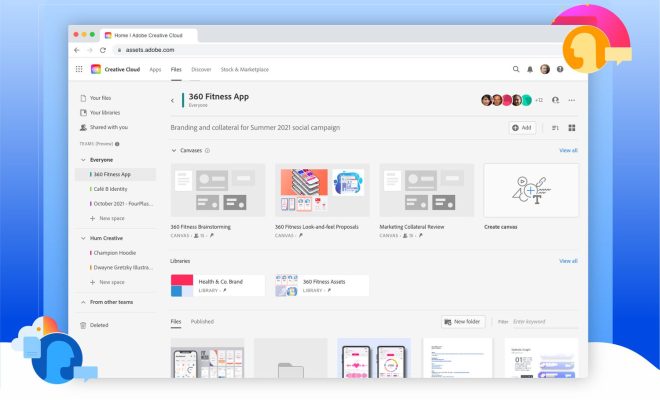
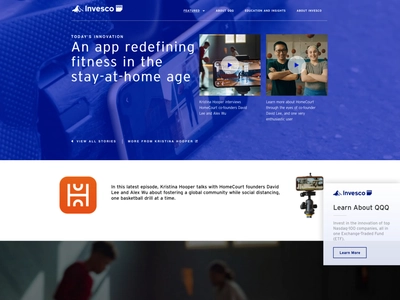
Callouts are effective in print and web design. These are text or graphic elements that are used to draw attention to specific information or elements within a design. Callouts can be placed strategically within a layout to highlight key information, such as product features, benefits, or pricing. They can also be used to guide the viewer’s eye through a design and create a sense of hierarchy.

In print design, callouts can be created using a range of techniques, including typography, color, and graphic elements. A callout might be a bold headline, a graphic arrow pointing to a specific area of the design, or a stylized box that has been placed around a piece of information. Regardless of the technique used, the goal is always to create a visual cue that will capture the reader’s attention and direct it to the most important aspects of the layout.

Likewise, in web design, callouts can be used to draw attention to specific areas of a web page, such as a product description or a call-to-action. One commonly used callout in web design is the “click here” button, which directs the viewer to take specific actions, such as filling out a contact form or making a purchase. Callouts can also be used to highlight the benefits of a product or service, showcase customer reviews, or provide more in-depth information about a topic.

Overall, callouts are effective in print and web design because they provide a quick and easy way to communicate important information to viewers. By using callouts strategically, designers can easily highlight key information, create a sense of hierarchy within a layout, and guide a viewer’s eye through the design. When used properly, callouts can significantly enhance the overall effectiveness of a design, making it easier for viewers to understand and engage with the information presented.


Previous Article

How to Connect Bluetooth Headphones to Apple ...

Next Article

Google Flights: How to Book a Plane ...

Matthew Lynch

Related articles More from author

  • Digital & Mobile Technology

    How to Add Bluetooth Functionality to Non-Bluetooth Devices

    May 17, 2023
    By Matthew Lynch
  • Digital & Mobile Technology

    Advanced Media Query CSS Tricks You Should Know

    June 15, 2023
    By Matthew Lynch
  • Digital & Mobile Technology

    How to Get Your Instagram Link

    June 2, 2023
    By Matthew Lynch
  • Digital & Mobile Technology

    The 3 Best EV Pickups on Sale Now

    June 14, 2023
    By Matthew Lynch
  • Digital & Mobile Technology

    How to Remove Bloatware from Windows

    May 3, 2023
    By Matthew Lynch
  • Digital & Mobile Technology

    How to Lock Apps on Android

    June 1, 2023
    By Matthew Lynch

Search

Login & Registration

  • Log in
  • Entries feed
  • Comments feed
  • WordPress.org

Newsletter

Signup for The Tech Edvocate Newsletter and have the latest in EdTech news and opinion delivered to your email address!

About Us

Since technology is not going anywhere and does more good than harm, adapting is the best course of action. That is where The Tech Edvocate comes in. We plan to cover the PreK-12 and Higher Education EdTech sectors and provide our readers with the latest news and opinion on the subject. From time to time, I will invite other voices to weigh in on important issues in EdTech. We hope to provide a well-rounded, multi-faceted look at the past, present, the future of EdTech in the US and internationally.

We started this journey back in June 2016, and we plan to continue it for many more years to come. I hope that you will join us in this discussion of the past, present and future of EdTech and lend your own insight to the issues that are discussed.

Newsletter

Signup for The Tech Edvocate Newsletter and have the latest in EdTech news and opinion delivered to your email address!

Contact Us

The Tech Edvocate
910 Goddin Street
Richmond, VA 23231
(601) 630-5238
[email protected]

Copyright © 2026 Matthew Lynch. All rights reserved.