BULL & Fujitsu Launch Japan’s Advanced Space Awareness Service 2026
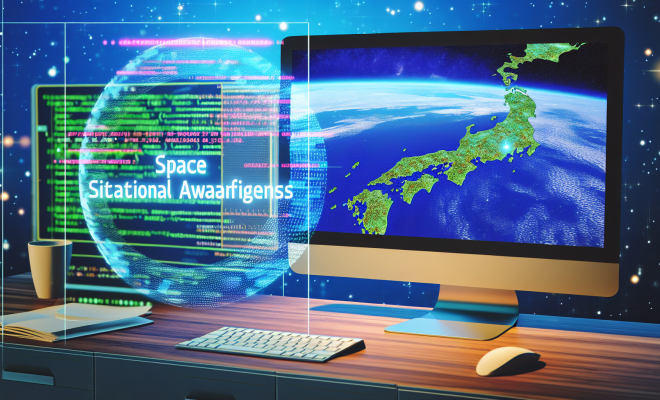
Introduction to Space Situational Awareness
In an era where space exploration and satellite deployment are becoming increasingly common, the need for effective management of orbital environments has never been more critical. Space debris, remnants of defunct satellites and other human-made objects, poses a significant threat to both current and future space missions. Recognizing this pressing issue, BULL Co., Ltd. and Fujitsu Limited have joined forces, signing a Memorandum of Understanding (MoU) on April 21, 2026, to develop a high-precision Space Situational Awareness (SSA) service tailored to Japan’s unique requirements.
Understanding the Importance of Space Situational Awareness
Space Situational Awareness encompasses the ability to detect, track, and predict the movement of objects in space, particularly in low Earth orbit (LEO). The rise in the number of satellites, alongside the increasing problem of space debris, necessitates a robust system that can provide real-time data and analysis. This capability is essential not only for the safety of satellites and space missions but also for the sustainability of future space endeavors.
The Growing Challenge of Space Debris
As of 2023, it is estimated that there are over 36,500 pieces of debris larger than 10 cm orbiting Earth, with millions of smaller fragments also present. These objects can travel at speeds exceeding 28,000 kilometers per hour, making even a tiny piece of debris potentially catastrophic for operational satellites and crewed missions. The rise of mega-constellations, such as SpaceX’s Starlink, has further intensified the urgency for effective space traffic management.
BULL Co., Ltd.: Innovators in Space Debris Mitigation
BULL Co., Ltd. is at the forefront of developing technologies aimed at mitigating space debris. Their expertise lies in creating devices and systems that can either remove debris or ensure that new satellites are launched and operated in a manner that minimizes the creation of additional debris. With a strong focus on innovation, BULL aims to contribute significantly to the sustainability of space operations.
Fujitsu Limited: A Leader in Technology Solutions
Fujitsu Limited, a global information and communication technology company, has extensive experience in data analytics, artificial intelligence, and cloud computing. The company’s technological prowess positions it as an ideal partner for BULL in developing advanced SSA systems. With a commitment to innovation and sustainability, Fujitsu is dedicated to leveraging its capabilities to enhance space safety.
The Strategic Partnership
The MoU between BULL and Fujitsu marks a significant step in addressing the challenges posed by space debris. By combining their respective expertise, the two companies aim to create a high-precision SSA service that will offer comprehensive monitoring of space debris and support safe and sustainable space activities.
Aims of the Collaboration
- Monitoring Space Debris: The primary goal is to develop systems that can accurately track and predict the movement of space debris.
- Space Traffic Management (STM): The collaboration seeks to establish standards for managing artificial satellites throughout their lifecycle, from launch to disposal.
- Contributing to Global Standards: By developing this SSA service, both companies aim to contribute to international efforts to establish de facto standards for space traffic management.
Technological Innovations in Space Situational Awareness
The development of the SSA service will involve several technological advancements. These innovations will focus on enhancing tracking capabilities, improving data accuracy, and ensuring timely communication of potential collisions to satellite operators.
Key Technologies in SSA
- Advanced Tracking Systems: Utilizing radar and optical sensors to monitor objects in space.
- Data Analytics: Implementing AI and machine learning to analyze large datasets for predictive modeling.
- Real-Time Communication: Establishing systems for immediate alerts and updates to satellite operators regarding potential risks.
The Role of Space Traffic Management
Space Traffic Management (STM) is a critical component of the proposed SSA service. STM involves the coordination of all space activities to prevent collisions and ensure the safe operation of satellites. As the number of objects in space increases, effective STM becomes essential for maintaining the integrity of space operations.
Components of Effective STM
- Collision Avoidance: Systems that provide alerts and recommendations for maneuvering satellites away from potential collisions.
- Regulatory Frameworks: Developing international guidelines for the responsible use of space.
- Collaboration with Global Agencies: Engaging with space agencies and organizations to coordinate STM efforts.
Benefits of the BULL and Fujitsu Collaboration
The partnership between BULL and Fujitsu is poised to yield numerous benefits, not just for Japan but for the global space community as well. By developing a high-precision SSA service, the collaboration aims to enhance the safety and sustainability of space activities.
Enhancing Safety and Sustainability
- Reducing Collision Risks: Improved tracking and monitoring capabilities will significantly lower the chances of collisions between satellites and debris.
- Promoting Responsible Space Operations: By establishing best practices and standards, the initiative encourages responsible behavior among satellite operators.
- Advancing Global Cooperation: The project fosters collaboration between Japan and other nations in the pursuit of effective space traffic management.
The Path Forward: Implementation and Future Outlook
As BULL and Fujitsu embark on this ambitious project, the path forward will require meticulous planning and execution. The companies will need to engage with various stakeholders, including government agencies, international organizations, and private sector partners, to ensure the successful implementation of the SSA service.
Key Steps in Implementation
- Research and Development: Investing in R&D to refine tracking technologies and data analytics capabilities.
- Pilot Programs: Launching pilot initiatives to test the SSA service in real-world scenarios.
- Stakeholder Engagement: Building partnerships with relevant stakeholders to ensure alignment with industry needs and standards.
Conclusion: A New Era for Space Safety
The collaboration between BULL Co., Ltd. and Fujitsu Limited represents a significant advancement in the realm of Space Situational Awareness and space traffic management. As the two companies work together to develop a high-precision SSA service, they are not only addressing the urgent challenge of space debris but also paving the way for safer and more sustainable space activities.
By prioritizing the health of Earth’s orbital environment, this partnership may serve as a model for future collaborations aimed at ensuring the longevity and safety of our ventures beyond the planet. The commitment to developing standards for space traffic management establishes a foundation for responsible and innovative practices in the expanding realm of outer space.