Biden Challenges Trump to Economic Debate Ahead of Midterms
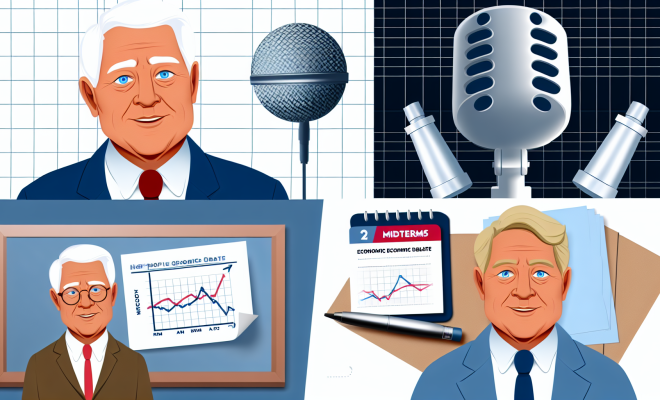
As the political landscape heats up in the lead-up to the midterm elections, former President Joe Biden has issued a bold challenge to his predecessor, Donald Trump, to engage in a live debate focused on economic policies. This challenge not only highlights the contrasting economic narratives between the two leaders but also underscores the significance of economic issues in the upcoming elections.
Biden’s Economic Record vs. Current Administration
During his recent public statements, Biden emphasized the positive economic indicators from his administration, notably pointing out that unemployment rates stood at 4.2% and inflation had cooled to 2.1% during his tenure. These figures serve as a stark contrast to the current economic climate, where many Americans are feeling the pinch of rising costs and fluctuating job markets.
Biden’s call for a debate comes as he actively campaigns for Democratic candidates in crucial swing states, including Pennsylvania and Georgia. His strategy appears aimed at rallying support and drawing attention to the economic successes he attributes to his administration, hoping to sway undecided voters in favor of his party.
Trump’s Dismissal and Public Sentiment
In response to Biden’s debate challenge, Trump quickly dismissed it, labeling the proposal as “fake news desperation.” This retort reflects Trump’s longstanding approach to media narratives and his tendency to undermine challenges from his political opponents. However, this dismissal does not seem to resonate with the public entirely.
Polling data reveals that a significant majority of 62% of independents are in favor of the proposed debate. This statistic signals a potential shift in voter sentiment and highlights the importance of economic discussions in influencing public opinion as the elections draw nearer.
The Stakes of the Midterm Elections
The midterm elections are set to be a pivotal moment for both parties, with control of Congress hanging in the balance. Economic issues have historically played a crucial role in shaping voter decisions, and with inflation being a significant concern for many Americans, Biden’s focus on economic performance is both timely and strategic.
As Biden campaigns across key states, he is likely to emphasize his administration’s achievements while contrasting them with Trump’s economic policies during his presidency. The debate challenge serves as a platform for Biden to further articulate his vision for the economy and to directly engage with Trump on these critical issues.
Implications for the Democratic Party
The Democratic Party is at a crossroads, facing challenges in maintaining their majority in Congress. With economic concerns at the forefront of voters’ minds, Biden’s debate challenge may also serve to energize the party’s base, encouraging greater turnout among Democratic voters who feel that economic stability is at risk.
- Voter Mobilization: Biden’s active campaigning in swing states aims to mobilize voters who may feel disillusioned or disconnected from the political process.
- Economic Messaging: By focusing on economic issues, the Democrats hope to shift the conversation away from other contentious topics that may not resonate as strongly with voters.
- Engagement with Independents: The favorable poll numbers among independents suggest that a well-structured debate could sway undecided voters in tight races.
Looking Ahead: The Importance of Economic Dialogue
The prospect of a Biden-Trump debate on economic issues could provide a unique opportunity for both candidates to present their case to the American public. As voters are increasingly concerned about the state of the economy, the debate could serve as a critical examination of past policies and future proposals.
In this politically charged atmosphere, the emphasis on economic dialogue is more important than ever. Whether Trump will accept Biden’s challenge remains to be seen, but the mere act of proposing such a debate underscores the significance of economic issues in the current political climate.
As the midterms draw closer, both parties will likely continue to refine their messaging and strategies, with economic performance likely at the center of their campaigns. Ultimately, the outcome of the midterm elections could reshape the future of economic policy in the United States.