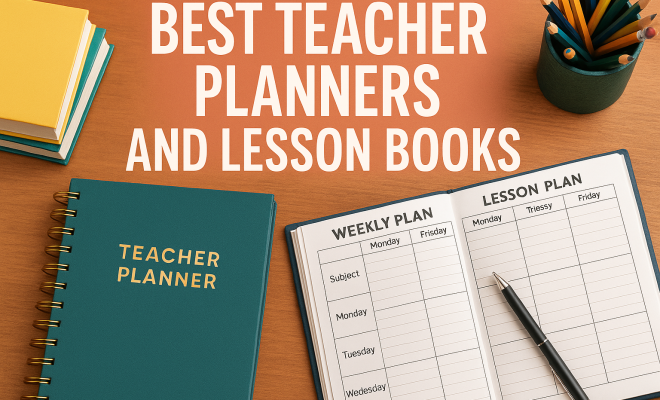
Best Teacher Planners and Lesson Books
“`html
For educators, the right tools can make all the difference in managing a busy classroom. Among these tools, teacher planners stand out as essential resources for organizing lesson plans, tracking student progress, and facilitating communication. In this comprehensive guide, we’ll explore the best teacher planners and lesson books available today, highlighting their unique features and how they can dramatically enhance your teaching experience.
1. The Happy Planner Teacher Edition: Flexibility Meets Functionality
The Happy Planner has made a name for itself with its customizable organizational system. The Teacher Edition comes with a variety of layouts that cater to different teaching styles, allowing educators to choose what works best for them. With monthly and weekly spreads, this planner provides ample space for lesson planning, tracking assignments, and jotting down notes.
One of the standout features of the Happy Planner is its ability to be personalized. Educators can add or remove pages, inserts, and even utilize stickers for a little extra flair. This flexibility is ideal for teachers who thrive on creativity and need a tool that adapts to their unique needs throughout the school year.
2. Erin Condren Teacher Lesson Planner: Aesthetic and Practical
Erin Condren is synonymous with beautifully designed planners, and the Teacher Lesson Planner is no exception. This planner emphasizes organization with a colorful layout that allows teachers to map out their year, plan lessons, and track student performance effectively. Each planner comes with a comprehensive set of stickers and resources, adding a touch of fun to lesson planning.
This planner also features customizable pages, allowing educators to craft their own unique approach to tracking classroom activities. The Erin Condren planner is particularly known for its durability and high-quality paper, making it a favorite among teachers who appreciate aesthetics and functionality.
3. Bloom Daily Planners: Focus on Goal Setting
For educators who believe in the power of goal setting, Bloom Daily Planners offers a unique solution. Their Teacher Planner includes sections dedicated to long-term and short-term goals, making it easier for teachers to stay focused and organized. This planner is particularly beneficial for those who aim to reflect on their teaching practices and improve over time.
The layout features monthly and weekly overview pages, as well as spaces for notes and reminders. Bloom’s emphasis on positivity and motivation is evident throughout the planner, making it more than just a tool for organization; it becomes an inspirational daily companion for educators.
4. The Teacher’s Notebook: All-in-One Solution
The Teacher’s Notebook provides a holistic approach to lesson planning. This planner is designed specifically for educators who want everything in one place—from lesson plans and student data to meeting notes and professional development resources. It’s a comprehensive tool that supports the diverse responsibilities of teaching.
With sections tailored for different subjects and activities, this notebook ensures that teachers can keep all relevant information easily accessible. The focus on user-friendly organization helps educators streamline their workflows and effectively manage their time, making it a robust option for busy teachers.
5. Planbook.com: Digital Convenience
In an increasingly digital world, Planbook.com has emerged as a go-to resource for tech-savvy educators. This online planner allows teachers to create, share, and edit lesson plans from any device. Its cloud-based structure means that educators can access their plans anywhere, anytime, making it ideal for those who are frequently on the move. (See: U.S. Department of Education.)
One of the most appealing aspects of Planbook.com is its collaborative features. Teachers can share their plans with colleagues, making it easier to create cohesive lesson plans across grade levels or subjects. The platform also includes integration with educational standards, ensuring that all lessons align with required curricula.
6. Passion Planner: Merging Personal and Professional Goals
The Passion Planner is a unique offering that merges personal and professional planning. This planner encourages educators to reflect on their goals, aspirations, and priorities—not just in their teaching but in their lives outside of school. With monthly reflections and weekly layouts, it provides space for both lesson planning and personal development.
The Passion Planner is especially beneficial for teachers who want to maintain a healthy work-life balance. By integrating personal objectives with professional responsibilities, educators can create a more holistic approach to planning that nurtures both their careers and personal growth. For more on this, see top teacher planners.
7. Teacher’s Planner: A Practical, Budget-Friendly Option
The Teacher’s Planner stands out as a practical and budget-friendly option for educators. This planner is designed with simplicity in mind, offering clear layouts for weekly and monthly planning without unnecessary frills. It’s an excellent choice for teachers who prioritize functionality over aesthetics.
Budget-conscious educators will appreciate the affordability of the Teacher’s Planner. With essential features like student tracking and lesson planning pages, this planner gets the job done without breaking the bank. It’s a reliable choice for those who want a straightforward tool to streamline their teaching practices.
8. Smart Planner: A Tech-Enhanced Option
The Smart Planner brings technology into the classroom in an innovative way. This planner is designed to work alongside various educational apps, allowing teachers to synchronize their lesson plans, schedules, and student data seamlessly. The integration of technology into planning processes makes it an attractive option for modern educators.
With features like cloud storage and digital reminders, the Smart Planner offers convenience that traditional planners cannot match. This planner is perfect for educators who are comfortable with technology and looking to enhance their organizational capabilities through digital means.
The Importance of Choosing the Right Teacher Planner
Selecting the right teacher planner can significantly impact not just an educator’s organizational skills but also their overall effectiveness in the classroom. The best planners help teachers streamline their tasks, set clear objectives, and maintain a focus on student engagement and success. With the variety of options available, there’s a planner tailored for every teaching style and need.
Ultimately, the ideal teacher planner is one that resonates with your personal and professional goals, fits your workflow, and inspires you to be the best educator you can be. As you explore these options, consider what features will help you stay organized and motivated throughout the school year.
9. Coil Bound Teacher Planner: The Classic Choice
For those who prefer a traditional approach, a coil-bound teacher planner offers a classic choice that never goes out of style. These planners often include robust features like laminated covers, dividers for easy navigation, and various sections dedicated to different subjects. Many educators find coil-bound planners to be durable and easy to use, especially when flipping through pages during class or meetings.
One popular option is the Teacher’s Plan Book, which combines a straightforward layout with a multitude of tracking sections for attendance, grades, and special projects. The coil binding allows the planner to lay flat when open, making it a practical choice for busy classrooms. (See: National Institute of Child Health and Human Development.)
10. The Role of Digital Versus Traditional Planners
When it comes to teacher planners, educators often face the choice between digital and traditional formats. Digital planners like Planbook.com provide flexibility that traditional planners cannot match. You can easily adjust lesson plans in real time, share them with colleagues instantly, and access them from any device.
On the other hand, traditional planners offer tactile benefits; many teachers find that writing things down helps them remember better. The physical act of writing can reinforce memory retention and creativity. Plus, there’s something inherently satisfying about flipping through the pages of a planner, seeing your plans laid out in front of you.
Research suggests that both digital and traditional planners have their merits. A 2022 study found that while digital planners increased efficiency, physical planners improved recall and engagement in educators. Ultimately, the choice comes down to personal preference and teaching style.
11. How to Personalize Your Teacher Planner
Personalization can significantly enhance the effectiveness of your teacher planner. Here are some popular ways to make your planner uniquely yours:
- Color-Coding: Use different colors for subjects, student groups, or types of activities. This visual cue can help you quickly find relevant information at a glance.
- Stickers and Washi Tape: Many planners come with stickers, but you can also purchase additional ones to add fun and flair to your planner. Washi tape is another excellent tool for marking important dates or events.
- Custom Sections: If your planner allows it, create custom sections for specific needs, such as a section for professional development goals, parent communication logs, or even a self-care tracker.
- Incorporating Student Input: Involve your students by letting them contribute ideas about what they’d like to learn. This can help tailor your lesson plans directly to their interests.
12. Statistics on Teacher Planner Usage
Understanding how prevalent the use of teacher planners is can shed light on their importance in educational settings. Recent statistics reveal some interesting trends:
- According to a 2023 survey, 78% of teachers reported using a planner to organize their lesson plans and classroom activities.
- Of those surveyed, 65% preferred a physical planner over a digital one, citing ease of use and tactile benefits.
- Teachers who used planners regularly reported a 53% increase in productivity and improved classroom management skills.
13. Expert Perspectives on Teacher Planners
Experts in education often emphasize the need for effective planning tools. Dr. Ellen Roberts, a renowned educational psychologist, notes that “a well-organized planner not only aids in lesson preparation but also fosters a sense of control and preparedness in educators. This directly correlates to student outcomes and engagement levels.”
Additionally, veteran teacher and author, Mark Johnson, advocates for planners as tools for reflection. He states, “Using a planner to track not just lessons, but also reflections on what worked or didn’t can lead to significant improvements in teaching practice over time.”
14. Frequently Asked Questions About Teacher Planners
What should I look for in a teacher planner?
When choosing a teacher planner, consider features like layout options, space for notes, goal-setting sections, and customization capabilities. Think about your teaching style and what will best support your organizational needs.
Are digital planners more effective than traditional planners?
It depends on personal preference. Digital planners offer convenience and flexibility, while traditional planners can facilitate better memory retention and organization on paper. Many educators find combining both to be the most effective approach.
How often should I update my planner?
It’s a good practice to update your planner daily. Set aside time at the end of each day or week to reflect on what worked and adjust your plans accordingly. Regular updates can also help you stay on top of assignments and deadlines.
Can I use a teacher planner for personal life planning?
Absolutely! Many planners are designed to help you balance both professional and personal responsibilities. Look for planners that include sections for personal goals, self-care, and wellness to help create a holistic approach to planning.
Where can I find additional resources or inspiration for using my teacher planner?
Many educators share their planner setups and tips on social media platforms like Instagram and Pinterest. You can also find communities of teachers online that discuss best practices and ways to maximize planner usage effectively.
15. Creative Uses for Teacher Planners
Beyond the basics of lesson planning and scheduling, teacher planners can be used creatively to enhance classroom experiences. Here are some innovative ways educators can maximize their planners:
- Project-Based Learning Tracking: Use your planner to outline and track project-based learning initiatives. Design sections for brainstorming, research, and progress monitoring to keep students on track.
- Resource Management: Dedicate pages to track and manage classroom resources, including books, supplies, and technology. This ensures you always know what you have on hand and what may need replenishing.
- Parent Communication Log: Utilize sections in your planner to keep track of communication with parents. Record calls, emails, or meetings to maintain a clear history of interactions and follow-ups.
- Student Recognition: Create a space to celebrate student achievements, big or small. Documenting these moments can be a great source of motivation for both you and your students.
16. Benefits of Using a Teacher Planner in the Digital Age
In today’s fast-paced, tech-driven world, the relevance of teacher planners remains strong. Here are some benefits of using a teacher planner, even when digital tools are readily available:
- Enhanced Focus: Writing by hand can help improve focus and retention. The act of physically writing can deepen your understanding of the material you’re teaching.
- Creativity Boost: A physical planner often encourages creative expression through doodling, color-coding, or adding personal touches that digital planners may not offer.
- Reduced Screen Time: With the increasing amount of time spent on devices, using a paper planner allows teachers to take a break from screens and engage in a different type of planning process.
- Mindfulness and Reflection: Using a planner can foster mindfulness. Taking the time to reflect on your teaching practices in a dedicated space can lead to improved strategies and a more thoughtful approach to education.
17. Choosing a Teacher Planner Based on Subject Area
Different subject areas may benefit from specific types of planners. Here’s how to choose a teacher planner based on your teaching subject:
- STEM Subjects: Planners that feature ample space for calculations, graphs, and project outlines can be beneficial for math and science teachers.
- Language Arts: Consider a planner with sections for reading logs, writing prompts, and vocabulary tracking to foster creativity in language instruction.
- Arts and Music: Planners that include creative layouts, spaces for sketches, and schedules for performances or exhibitions can inspire artistic educators.
- Special Education: A planner that allows for individualized student tracking can help educators manage diverse needs and create tailored instruction plans effectively.
18. Tips for Maintaining Your Teacher Planner Throughout the Year
As a busy educator, keeping your planner organized can sometimes be challenging. Here are some tips to maintain your teacher planner throughout the school year:
- Set a Weekly Review: Dedicate time each week to review and update your planner. This habit helps keep it organized and allows you to adjust plans as needed.
- Use Tabs or Color Codes: Tabs can help you quickly reference different sections of the planner, while color coding keeps your planner visually organized.
- Incorporate Feedback: Use feedback from students and parents to refine your planning process. Documenting these insights can enhance your future lesson planning.
- Stay Flexible: While organization is important, remember to stay flexible. Sometimes, things don’t go as planned, and that’s okay. Adapt your planner as necessary to accommodate changes.
In summary, teacher planners are more than just organizational tools; they are essential for creating structured, effective, and engaging learning environments. From traditional to digital options, there’s a planner out there that can meet your unique needs. Explore the options, find what resonates with you, and take your teaching to the next level.
“`
Trending Now
Frequently Asked Questions
What are the best teacher planners for lesson planning?
Some of the best teacher planners include The Happy Planner Teacher Edition, known for its customizable layouts, and the Erin Condren Teacher Lesson Planner, which features a colorful design and durable materials. Both planners facilitate effective lesson planning and tracking student progress.
How do I choose a teacher planner?
When choosing a teacher planner, consider your teaching style and organizational needs. Look for features like customizable layouts, ample writing space, and additional resources such as stickers. Both The Happy Planner and Erin Condren offer flexibility and creativity to suit various preferences.
What features should a good teacher planner have?
A good teacher planner should have features such as monthly and weekly spreads, ample space for notes, customizable pages, and resources like stickers. These elements help educators efficiently organize lesson plans, track student progress, and enhance classroom communication.
Are teacher planners worth it?
Yes, teacher planners are worth it as they provide essential tools for organization and time management. They help educators streamline lesson planning, track student performance, and maintain clear communication, ultimately enhancing the teaching experience.
What makes The Happy Planner unique for teachers?
The Happy Planner is unique for teachers due to its customizable organizational system, allowing educators to add or remove pages and use stickers for personalization. Its flexible layouts cater to different teaching styles, making it an ideal choice for creative educators.
What did we miss? Let us know in the comments and join the conversation.