
Best of the Best Vertical Farming Technologies 2026
Introduction: The Rise of Vertical Farming
As urban populations continue to grow and the demand for sustainable food production increases, vertical farming has emerged as a revolutionary solution to address these challenges. By utilizing innovative technologies that allow for the cultivation of crops in vertically stacked layers, vertical farming maximizes space usage and minimizes environmental impact. As we look towards 2026, several cutting-edge technologies are setting the standard in vertical farming, enhancing productivity, sustainability, and efficiency. In this article, we will explore the best vertical farming technologies anticipated to shape the future of agriculture.
Automated Systems: Efficiency and Precision in Farming
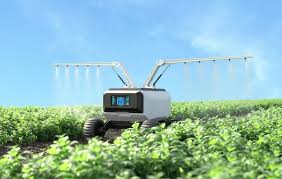
Automation has transformed various industries, and agriculture is no exception. In vertical farming, automated systems play a crucial role in improving efficiency and precision.
Robotic Harvesting: Streamlining Crop Management
Robotic harvesting systems are becoming increasingly sophisticated, allowing for the efficient collection of crops without human labor. These robots utilize advanced sensors and machine learning algorithms to identify ripe produce and harvest them with precision. This technology not only reduces labor costs but also minimizes damage to crops, ensuring higher quality yields.
Automated Climate Control: Optimal Growing Conditions
Maintaining optimal growing conditions is vital for the success of vertical farms. Automated climate control systems use sensors to monitor temperature, humidity, and light levels, adjusting them in real-time to create the ideal environment for plant growth. This technology enhances productivity by ensuring that crops receive the right conditions at all times, leading to faster growth rates and higher yields.
Hydroponics and Aeroponics: Soil-Free Cultivation Methods
Hydroponics and aeroponics are two soil-free cultivation methods that have gained popularity in vertical farming. Both techniques provide significant advantages over traditional farming.
Hydroponics: Nutrient-Rich Water Solutions
Hydroponics involves growing plants in nutrient-rich water solutions instead of soil. This method allows for greater control over nutrient delivery, resulting in faster growth and higher yields. Hydroponic systems can be easily integrated into vertical farming setups, making them ideal for urban environments where space is limited.
Aeroponics: Maximizing Air and Water Efficiency
Aeroponics takes it a step further by suspending plants in air and misting their roots with nutrient solutions. This technique uses up to 90% less water than traditional farming methods, making it an incredibly efficient option for resource management. Aeroponic systems are also less susceptible to pests and diseases, reducing the need for chemical interventions.
LED Lighting: Revolutionizing Plant Growth
Lighting is a critical factor in vertical farming, and advancements in LED technology have revolutionized how plants are grown.
Full-Spectrum LED Lights: Mimicking Natural Sunlight
Full-spectrum LED lights provide a tailored light spectrum that mimics natural sunlight, promoting optimal photosynthesis. These lights can be adjusted for intensity and duration to suit different plant species, ensuring that crops thrive throughout their growth cycles. The energy efficiency of LEDs also helps reduce operational costs, making vertical farms more sustainable.
Smart Lighting Systems: Energy Management and Optimization
Smart lighting systems use sensors and data analytics to optimize light exposure based on plant needs and environmental conditions. By adjusting light levels in real-time, these systems minimize energy waste and enhance crop growth. This technology allows vertical farms to maximize yields while reducing their carbon footprint.
Data Analytics and IoT: The Future of Smart Farming
The integration of data analytics and the Internet of Things (IoT) is transforming vertical farming into a smart and data-driven industry.
Predictive Analytics: Enhancing Decision-Making
Predictive analytics tools analyze vast amounts of data collected from sensors within the farm. By identifying patterns and trends, farmers can make informed decisions about planting schedules, nutrient management, and pest control. This data-driven approach leads to improved productivity and reduced waste.
IoT Sensors: Real-Time Monitoring and Control
IoT sensors enable real-time monitoring of various environmental factors, such as temperature, humidity, and nutrient levels. By providing continuous data streams, these sensors allow farmers to respond quickly to any changes that may affect crop health. The ability to monitor conditions remotely also enhances operational efficiency, making it easier to manage multiple vertical farms simultaneously.
Sustainable Practices: Reducing Environmental Impact
Sustainability is a core principle of vertical farming, and several technologies are emerging to further reduce the environmental impact of food production.
Water Recycling Systems: Conservation and Efficiency
Water recycling systems are essential for minimizing water usage in vertical farms. By collecting and reusing water from various processes, these systems help conserve this precious resource. Advanced filtration and purification technologies ensure that recycled water meets the necessary standards for crop growth.
Waste Management Solutions: Closing the Loop
Effective waste management is crucial for sustainable farming practices. Vertical farms can implement composting systems to recycle organic waste into nutrient-rich soil amendments. Additionally, partnerships with local food producers can help divert food waste from landfills, creating a circular economy that benefits both the environment and local communities.
Vertical Farming Software: Managing Operations Seamlessly
To streamline operations, vertical farms are increasingly adopting specialized software solutions that help manage various aspects of production.
Farm Management Software: Comprehensive Oversight
Farm management software provides a comprehensive overview of all farm operations, from planting to harvest. These platforms enable farmers to track crop performance, monitor inventory levels, and manage labor resources effectively. By centralizing information, farmers can make data-driven decisions that enhance productivity.
Supply Chain Management Tools: Ensuring Freshness and Quality
Efficient supply chain management is essential for delivering fresh produce to consumers. Specialized software tools help vertical farms optimize their supply chains by tracking inventory, managing logistics, and forecasting demand. This technology ensures that crops are delivered to market quickly, maintaining quality and freshness.
Conclusion: The Future of Vertical Farming Technologies
As we approach 2026, the best vertical farming technologies are poised to revolutionize the agricultural landscape. With advancements in automation, hydroponics, LED lighting, data analytics, and sustainable practices, vertical farming offers a promising solution to the challenges of food production in urban environments. By embracing these technologies, farmers can create efficient, sustainable systems that meet the growing demand for fresh produce while minimizing their environmental impact. The future of vertical farming is bright, and it holds the potential to transform our food systems for generations to come.


