Best of the Best Smart Classroom Technologies 2026
Introduction: The Future of Learning Environments
As we move toward 2026, the landscape of education continues to evolve rapidly, driven by technological advancements that enhance teaching and learning experiences. Smart classroom technologies are at the forefront of this evolution, providing innovative tools that facilitate interactive learning, streamline administrative tasks, and foster collaboration among students and educators. In this article, we will explore the best smart classroom technologies of 2026, highlighting their features, benefits, and potential impact on education.
Interactive Displays: Transforming Engagement
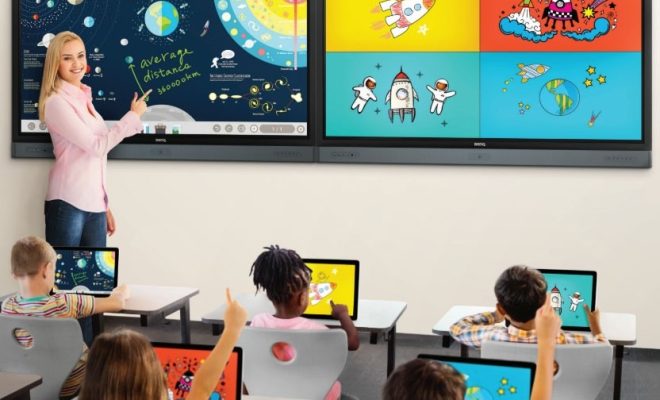
Interactive displays have revolutionized the way lessons are delivered in classrooms. These large, touchscreen-enabled displays allow teachers to present information dynamically and engage students in hands-on activities.
Features and Benefits:
– Touchscreen Technology: Interactive displays enable teachers to write, draw, and manipulate objects in real time, making learning more engaging and interactive.
– Collaborative Learning: Students can work together on projects using interactive displays, fostering teamwork and collaboration.
– Integration with Educational Software: Many interactive displays come equipped with built-in educational software that supports various learning styles and subjects.
The integration of interactive displays in the classroom has been shown to increase student participation and improve retention rates. As educators continue to embrace these technologies, the potential for enhanced learning experiences grows significantly.
Virtual Reality: Immersive Learning Experiences
Virtual reality (VR) is making waves in education by offering immersive experiences that take students beyond the traditional classroom setting. With VR, learners can explore historical events, scientific phenomena, and even distant planets in a 3D environment.
Features and Benefits:
– Immersive Environments: VR allows students to experience scenarios that would otherwise be impossible, creating memorable learning experiences.
– Enhanced Understanding: By visualizing complex concepts, students can grasp difficult subjects more easily.
– Accessibility: VR can provide experiences for students with disabilities or those who may have difficulty with traditional learning methods.
As VR technology continues to advance, its applications in the classroom will expand, offering even greater opportunities for experiential learning.
Artificial Intelligence: Personalized Learning Solutions
Artificial intelligence (AI) is transforming the educational landscape by providing personalized learning experiences tailored to individual student needs. AI-powered tools can analyze student performance and suggest customized learning paths.
Features and Benefits:
– Adaptive Learning Platforms: AI can assess a student’s strengths and weaknesses, adjusting the curriculum to meet their specific needs.
– Intelligent Tutoring Systems: These systems provide real-time feedback and support, allowing students to learn at their own pace.
– Data-Driven Insights: Educators can utilize AI analytics to identify trends in student performance, helping to inform instructional strategies.
The integration of AI in the classroom not only enhances learning but also empowers teachers to make informed decisions about their students’ educational journeys.
Smart Desks: The Future of Classroom Furniture
Smart desks are an innovative addition to modern classrooms, integrating technology to create flexible learning environments. These desks can be adjusted for height, equipped with charging stations, and even feature built-in screens for collaborative work.
Features and Benefits:
– Ergonomic Design: Smart desks promote healthy posture and comfort, enabling students to focus on learning.
– Technology Integration: With USB ports and wireless charging capabilities, students can easily connect their devices.
– Flexibility: Desks can be rearranged easily to accommodate different teaching styles and classroom layouts.
As educational institutions continue to prioritize student well-being and engagement, smart desks will play a crucial role in shaping the physical learning environment.
Learning Management Systems: Streamlining Education
Learning management systems (LMS) have become essential tools for educators, enabling them to manage course content, track student progress, and facilitate communication. In 2026, LMS platforms are more sophisticated, offering enhanced features and user experiences.
Features and Benefits:
– Centralized Learning Hub: An LMS provides a single platform for course materials, assignments, and resources, making it easy for students and teachers to access information.
– Analytics and Reporting: Educators can track student performance and engagement metrics, allowing for timely interventions.
– Mobile Accessibility: Many LMS platforms are accessible on mobile devices, ensuring that learning can occur anytime, anywhere.
The continued development of LMS technology is essential for supporting both in-person and remote learning environments, ensuring that education remains accessible and organized.
Collaboration Tools: Fostering Teamwork
Collaboration tools have become vital in facilitating teamwork among students, especially in an increasingly digital learning environment. These tools enable real-time communication, project management, and shared workspaces.
Features and Benefits:
– Real-Time Collaboration: Students can work together on projects regardless of their physical location, promoting a sense of community.
– Diverse Communication Channels: Many collaboration tools offer chat, video conferencing, and project boards, catering to different communication preferences.
– Resource Sharing: Students can easily share documents, images, and other educational materials with their peers.
As collaboration tools continue to evolve, they will enhance the way students work together, preparing them for future workplace environments.
Smart Assessment Tools: Revolutionizing Evaluation
Smart assessment tools are transforming how educators evaluate student performance. These technologies utilize advanced analytics and AI to create personalized assessments that accurately measure understanding and skills.
Features and Benefits:
– Formative Assessments: Smart tools provide ongoing assessments that allow teachers to gauge student progress in real-time.
– Immediate Feedback: Students receive instant feedback on their performance, enabling them to learn from their mistakes and improve continuously.
– Customizable Testing: Educators can easily tailor assessments to match their curriculum and learning objectives.
Smart assessment tools not only streamline the evaluation process but also enhance the overall learning experience by providing timely insights into student understanding.
Conclusion: Embracing the Future of Education
As we look forward to 2026, the integration of smart classroom technologies will undoubtedly transform the educational landscape. From interactive displays that engage students to artificial intelligence that personalizes learning experiences, these innovations are poised to create more effective and dynamic learning environments.
Educational institutions must be proactive in adopting these technologies to stay ahead of the curve and meet the demands of modern learners. By embracing smart classroom technologies, educators can prepare students for the challenges and opportunities of the future, fostering a generation of learners who are adaptable, collaborative, and ready to thrive in an ever-changing world.
In conclusion, the best smart classroom technologies of 2026 will not just enhance the learning experience; they will redefine the very concept of education itself, paving the way for more inclusive, engaging, and effective teaching strategies. As we continue to innovate and explore the possibilities of technology in education, the future looks bright for learners and educators alike.
By investing in these advanced tools and approaches, we set the stage for a richer educational experience, one that empowers students not only to succeed academically but also to develop the critical skills necessary for a rapidly evolving world. The journey toward a smarter classroom is just beginning, and the possibilities are boundless.