Best of the Best Sleep Optimization Technologies 2026
Introduction: The Quest for Better Sleep
In today’s fast-paced world, sleep optimization has become a crucial focus for many individuals seeking to improve their health, productivity, and overall quality of life. As we enter 2026, advancements in technology have given rise to a plethora of innovative solutions designed to enhance sleep quality. From wearable devices to sophisticated sleep environments, the market is brimming with options. This article explores the best sleep optimization technologies of 2026, detailing their features, benefits, and how they can help individuals achieve a restful night’s sleep.
Wearable Sleep Trackers: Revolutionizing Sleep Monitoring
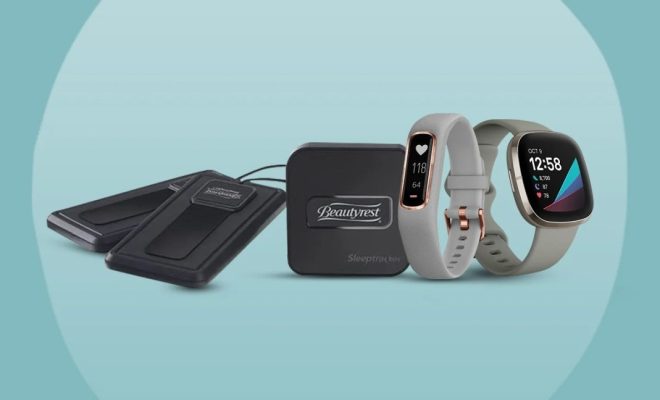
Wearable sleep trackers have gained immense popularity as they provide valuable insights into sleep patterns and quality. These devices use advanced sensors to monitor various metrics, including heart rate, sleep stages, and movement during the night.
Leading the pack in 2026 is the latest model from Oura, the Oura Ring Gen 3. Known for its sleek design and comprehensive data collection, it offers features such as:
– Sleep Staging: Accurately distinguishes between light, deep, and REM sleep.
– Readiness Score: Provides a daily score based on sleep quality, activity levels, and recovery.
– Heart Rate Variability Monitoring: Helps assess stress and recovery levels.
Another notable player is the Fitbit Charge 6, which has improved sleep tracking capabilities and now includes:
– Smart Wake: Gradually wakes you up during the lightest sleep phase within a 30-minute window.
– Sleep Insights: Personalized recommendations based on your sleep data.
These wearables not only track sleep but also promote healthier sleep habits through recommendations and insights, making them invaluable tools for anyone looking to optimize their sleep.
Smart Mattresses: The Future of Sleep Comfort
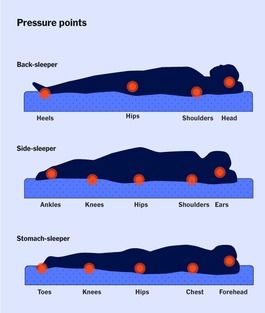
Smart mattresses have taken comfort and support to the next level, offering customizable firmness and temperature control. In 2026, the Sleep Number 360 Smart Bed continues to lead the industry with its impressive features, including:
– Adjustable Firmness: Allows users to customize the firmness on each side of the bed.
– SleepIQ Technology: Monitors sleep patterns and adjusts the mattress to enhance comfort throughout the night.
– Climate Control: Regulates temperature to ensure optimal sleeping conditions.
Another contender is the Purple Mattress 4, which focuses on pressure relief and airflow. Its features include:
– Hyper-Elastic Polymer Grid: Provides support while allowing for breathability.
– Instant Response Technology: Adapts to the body’s movements for continuous comfort.
These smart mattresses not only improve sleep quality through comfort but also collect data that can guide users toward better sleep habits.
Sleep Environment: Creating the Ideal Atmosphere
The sleep environment plays a significant role in the quality of rest. In 2026, innovative products have emerged to enhance the bedroom atmosphere, making it conducive to sleep.
One standout product is the Philips SmartSleep Light. This intelligent alarm clock uses light therapy to simulate sunrise and sunset, helping regulate circadian rhythms. Its features include:
– Personalized Light Settings: Adjusts brightness and color temperatures according to individual preferences.
– Sleep and Wake Programs: Gradually transitions light to promote relaxation and alertness.
Additionally, the Hatch Restore 2 is a comprehensive sleep solution that combines sound, light, and guided meditations. Key features include:
– Sleep Sounds: Offers a variety of soothing sounds to aid in falling asleep.
– Customizable Sleep Routines: Allows users to create personalized routines that signal bedtime.
These innovative devices help create a relaxing sleep environment, making it easier to fall asleep and stay asleep.
Cognitive Behavioral Therapy Apps: Addressing Sleep Disorders
For those struggling with sleep disorders such as insomnia, cognitive behavioral therapy (CBT) apps have emerged as effective solutions in 2026. These apps provide users with tools and techniques to address the underlying causes of their sleep issues.
One of the leading apps is Sleepio, which offers a personalized sleep improvement program based on CBT principles. Features include:
– Sleep Assessment: Evaluates sleep patterns and issues to create a tailored plan.
– Interactive Sessions: Engages users with audio sessions and practical exercises.
Another noteworthy app is CBT-i Coach, designed specifically for individuals with insomnia. Its offerings include:
– Educational Resources: Provides information on insomnia and sleep hygiene.
– Sleep Diary: Helps users track their progress and identify patterns.
These apps empower users to take control of their sleep health by providing evidence-based strategies to overcome sleep challenges.
Meditation and Relaxation Tools: Mindfulness for Better Sleep
Incorporating mindfulness and relaxation techniques into bedtime routines has proven effective for enhancing sleep quality. In 2026, meditation and relaxation tools have become more sophisticated, offering users guided experiences to promote restful sleep.
The Calm app remains a popular choice, featuring:
– Sleep Stories: Narrated tales designed to lull listeners into a peaceful slumber.
– Guided Meditations: Sessions that focus on relaxation and stress reduction.
Headspace is another leading app that offers a dedicated sleep section. Key features include:
– Sleepcasts: Unique audio experiences designed to create a calming atmosphere for sleep.
– Wind Down Sessions: Guided practices that help users transition from wakefulness to sleep.
These tools harness the power of mindfulness to alleviate anxiety and promote relaxation, making them essential for achieving restorative sleep.
Emerging Technologies: Sleep Forecasting and AI Assistance
As we progress deeper into 2026, emerging technologies are beginning to redefine how we approach sleep optimization. Sleep forecasting, powered by artificial intelligence, is on the rise. These systems analyze users’ sleep data over time and predict future sleep quality, offering personalized recommendations to improve rest.
– Predictive Analytics: Uses historical sleep data to forecast potential sleep disturbances.
– Personalized Action Plans: Suggests lifestyle changes or interventions based on predictions.
Another exciting development is AI-driven virtual assistants designed specifically for sleep. These assistants can interactively engage with users, answer sleep-related queries, and provide real-time feedback based on biometric data. Their capabilities include:
– Sleep Hygiene Recommendations: Offers tips for improving sleep habits tailored to user lifestyles.
– Environmental Adjustments: Integrates with smart home devices to optimize lighting and noise levels for better sleep.
Such innovations represent the future of sleep technology, allowing users to take a more proactive and informed approach to their sleep health.
Conclusion: Embracing Technology for Better Sleep
As we navigate through 2026, the landscape of sleep optimization technologies continues to evolve and expand. From wearable trackers that provide insightful data to smart mattresses that enhance comfort, the options available today are more advanced than ever before. By leveraging these innovative solutions, individuals can take proactive steps to improve their sleep quality, leading to better health and well-being.
Investing in sleep optimization technologies is not just about improving sleep; it’s about enhancing overall quality of life. As technology continues to advance, the possibilities for achieving a restful night’s sleep are limitless, making it an exciting time for anyone seeking to optimize their sleep experience.