Best of the Best Self-Navigating Marine Vessels 2026
Introduction: The Future of Marine Navigation
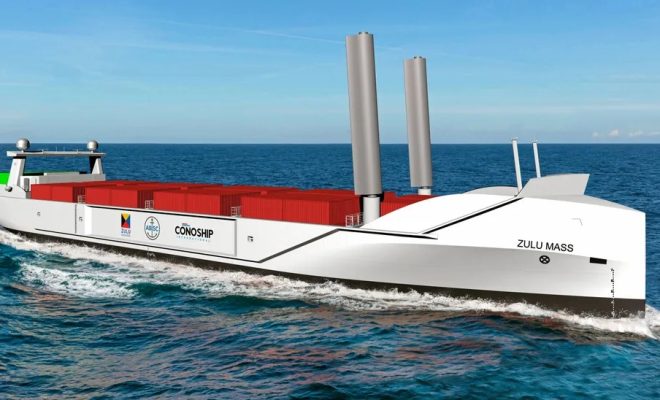
As we move further into the digital age, the concept of self-navigating marine vessels has transitioned from science fiction into reality. The year 2026 promises to showcase some of the most advanced self-navigating ships, utilizing cutting-edge technology to improve efficiency, safety, and environmental sustainability in maritime operations. This article will explore the best self-navigating marine vessels expected to dominate the seas in 2026, highlighting their innovative features, technological advancements, and impact on the maritime industry.
Section 1: The Rise of Autonomous Marine Technology
Subsection 1.1: Understanding Autonomous Vessels
Autonomous vessels, often referred to as unmanned or self-driving ships, are equipped with advanced technologies that enable them to navigate without human intervention. These vessels employ a combination of artificial intelligence (AI), machine learning, and sophisticated sensors to make real-time decisions based on environmental conditions and navigational data.
Subsection 1.2: The Importance of Safety and Efficiency
Safety is a paramount concern in maritime navigation. Self-navigating vessels are designed to reduce human error, which is a leading cause of maritime accidents. By relying on technology, these vessels can analyze vast amounts of data faster than a human operator, leading to more informed decision-making. Moreover, autonomous ships can optimize their routes, resulting in fuel savings and reduced emissions.
Section 2: Top Self-Navigating Marine Vessels of 2026
Subsection 2.1: Rolls-Royce Ship Intelligence
Rolls-Royce has long been a leader in marine technology, and its Ship Intelligence program is set to revolutionize shipping by 2026. Their autonomous ships will feature advanced AI algorithms capable of processing real-time data from various sensors, including radar, GPS, and sonar. This system enables the vessel to navigate complex waterways, avoiding obstacles and adapting to changing weather conditions.
Subsection 2.2: Kongsberg Maritime’s Autonomous Solutions
Kongsberg Maritime is another key player in the development of self-navigating vessels. Their autonomous solutions are designed for various applications, from cargo shipping to offshore operations. By integrating AI and machine learning, Kongsberg’s vessels can make decisions based on predictive modeling, enhancing operational efficiency and safety.
Subsection 2.3: Sea Machines Robotics
Sea Machines Robotics has emerged as a frontrunner in the field of autonomous marine technology, particularly for commercial vessels. Their SM300 system allows ships to operate in autonomous mode for various tasks, including cargo transport and surveying. The system can be retrofitted to existing vessels, making it an attractive option for operators looking to upgrade their fleets without investing in entirely new ships.
Section 3: Notable Innovations in Self-Navigating Vessels
Subsection 3.1: Integrated Sensor Technology
One of the most significant advancements in self-navigating vessels is the integration of various sensor technologies. These sensors, including LIDAR, radar, and cameras, work together to provide a comprehensive view of the vessel’s surroundings. This multi-modal approach enhances the vessel’s ability to detect hazards, navigate through congested waterways, and respond to dynamic environmental conditions.
Subsection 3.2: Enhanced Communication Systems
In 2026, the communication systems on self-navigating vessels will be more sophisticated than ever. Enhanced satellite communication and real-time data sharing will allow vessels to remain connected with onshore operations. This connectivity ensures that the vessels can receive updates on weather conditions, navigational hazards, and other critical information, further improving their safety and efficiency.
Section 4: Environmental Impact of Self-Navigating Marine Vessels
Subsection 4.1: Reducing Carbon Footprint
The maritime industry is under increasing pressure to reduce its carbon footprint, and self-navigating vessels are poised to contribute significantly to this goal. By optimizing routes and reducing fuel consumption, these vessels can minimize greenhouse gas emissions. Furthermore, many autonomous designs are incorporating alternative energy sources, such as battery propulsion or hydrogen fuel cells, to further decrease their environmental impact.
Subsection 4.2: Promoting Sustainable Practices
The rise of self-navigating vessels also encourages the adoption of sustainable practices within the maritime industry. As these vessels become more prevalent, operators will be more motivated to invest in eco-friendly technologies and practices, leading to a broader shift towards sustainability in marine operations.
Section 5: Challenges Ahead for Self-Navigating Vessels
Subsection 5.1: Regulatory Hurdles
Despite the technological advancements, regulatory frameworks for self-navigating vessels remain a challenge. Governments and maritime organizations must establish comprehensive regulations to ensure the safe operation of these vessels. This includes addressing liability issues, navigation rules, and safety standards.
Subsection 5.2: Technological Limitations
While the technology behind self-navigating vessels is rapidly advancing, there are still limitations to overcome. Issues such as cybersecurity vulnerabilities, sensor reliability in extreme weather conditions, and the ability to operate in densely populated maritime environments must be addressed to fully realize the potential of autonomous shipping.
Section 6: Industry Perspectives on Self-Navigating Vessels
Subsection 6.1: Insights from Industry Leaders
Industry leaders recognize the transformative potential of self-navigating vessels. Companies are investing heavily in research and development to stay ahead of the curve. Many executives believe that the future of shipping will require a blend of human expertise and automated systems, suggesting a hybrid approach that leverages the strengths of both.
Subsection 6.2: Training and Workforce Adaptation
The advent of self-navigating vessels will necessitate changes in workforce training. Maritime professionals will need to adapt to new technologies, focusing on system management and oversight rather than traditional navigation skills. This shift will create opportunities for new roles, including data analysts and AI specialists within the maritime sector.
Conclusion: Navigating Towards the Future
As we look ahead to 2026, the self-navigating marine vessels set to emerge represent a significant leap forward for the maritime industry. With advancements in technology enhancing safety, efficiency, and sustainability, these vessels are poised to transform the way we think about shipping and navigation. While challenges remain, the potential benefits of self-navigating vessels are undeniable, paving the way for a more innovative and environmentally responsible future in maritime operations. The evolution of marine technology is just beginning, and the best is yet to come.