Best of the Best EV Charging Infrastructure 2026
Introduction: The Rise of Electric Vehicles and Charging Infrastructure
As we move further into the 21st century, the transition from traditional fossil fuel vehicles to electric vehicles (EVs) is becoming increasingly prominent. With governments and consumers alike recognizing the importance of sustainable transportation, the demand for electric vehicles is soaring. However, one of the critical components that will determine the success of this transition is robust and efficient EV charging infrastructure. As we look ahead to 2026, it is essential to analyze the best EV charging solutions, network providers, and technologies that will support the growing number of electric vehicles on the road.
The Current State of EV Charging Infrastructure
As of 2023, the EV charging infrastructure landscape is evolving rapidly. With advancements in technology and increased investment, the number of charging stations is expected to grow significantly. Current charging solutions can be categorized into three main types: Level 1, Level 2, and DC fast charging. Each category varies in charging speed, cost, and installation requirements.
Level 1 Charging: This method involves standard 120-volt outlets, typically found in homes. While convenient for overnight charging, it is the slowest option, providing only about 4-5 miles of range per hour.
Level 2 Charging: Utilizing 240-volt outlets, Level 2 chargers are commonly installed in public locations, workplaces, and residential complexes. They provide a more efficient charging rate, offering approximately 25 miles of range per hour, making them a popular choice for urban areas.
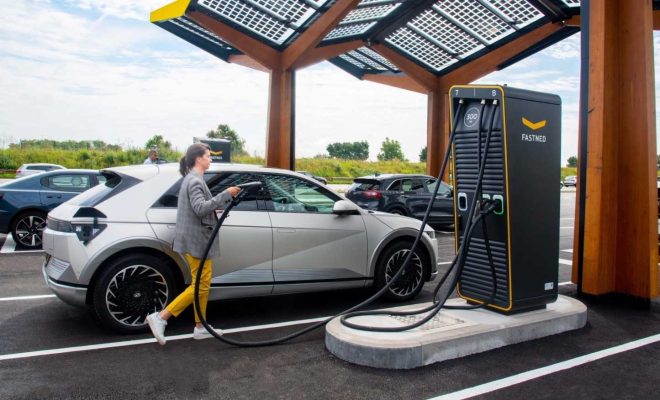
DC Fast Charging: For those in need of quick recharges, DC fast chargers are the go-to solution. Capable of delivering up to 350 kW, these chargers can provide an 80% charge in as little as 30 minutes. They are strategically located along highways and in urban centers to facilitate long-distance travel.
Best EV Charging Networks of 2026
As we look ahead to 2026, several major players are emerging as leaders in the EV charging network space. These companies have invested heavily in infrastructure, technology, and user experience.
ChargePoint: Pioneering the Charging Revolution
ChargePoint is one of the largest and most recognized EV charging networks in the world. With over 100,000 charging ports globally, the company continues to expand its network, focusing on both public and private charging solutions. ChargePoint’s user-friendly app allows drivers to locate charging stations, check availability, and start charging sessions with ease.
Pros:
– Extensive network coverage
– User-friendly mobile app
– Flexibility in charging solutions
Cons:
– Charging fees may vary by location
– Limited fast charging options in some areas
Electrify America: A Commitment to Sustainability
Electrify America is a subsidiary of Volkswagen Group of America, dedicated to building a robust EV charging infrastructure across the United States. With a focus on fast charging, Electrify America has installed numerous DC fast chargers along major highways and in urban areas. The company has also made strides in promoting renewable energy sources to power its charging stations.
Pros:
– High-speed charging capabilities
– Wide coverage along major highways
– Commitment to renewable energy
Cons:
– Some locations may experience high demand
– Pricing can be inconsistent based on usage
EVgo: The Urban Charging Solution
EVgo is a prominent player in the EV charging market, focusing on urban areas where charging accessibility is essential. With a network of more than 1,000 fast-charging stations, EVgo caters to drivers who require quick charging solutions in city environments. The company’s partnership with various automakers helps facilitate seamless charging experiences for EV owners.
Pros:
– Strong focus on urban charging
– Fast charging capabilities
– Partnerships with major auto manufacturers
Cons:
– Limited presence in rural areas
– Pricing structures may vary
Innovative Charging Technologies for 2026
As we move closer to 2026, technological advancements in charging solutions are paving the way for a more efficient and accessible EV charging experience. Key innovations include:
Wireless Charging: This technology eliminates the need for physical plugs, allowing vehicles to charge by parking over a charging pad. Wireless charging is particularly advantageous for fleet vehicles and public transportation systems, leading to reduced operational costs and enhanced convenience.
Ultra-Fast Charging: With charging speeds exceeding 350 kW, ultra-fast chargers are revolutionizing the EV landscape. These chargers can significantly reduce charging times, making long-distance travel more feasible for electric vehicle owners.
Smart Charging: The integration of smart technology enables dynamic load management, allowing charging stations to optimize energy consumption based on grid demand and renewable energy availability. Smart charging solutions can also facilitate cost savings for users by taking advantage of off-peak electricity rates.
The Future of Home Charging Solutions
As the demand for electric vehicles continues to grow, home charging solutions are becoming increasingly important. By 2026, several innovations are expected to enhance the home charging experience:
Smart Home Integration: Future home charging stations will seamlessly integrate with smart home systems, allowing users to monitor and control their charging sessions remotely. This functionality will enable users to optimize charging times based on electricity rates and grid demand.
Solar-Powered Charging: The combination of solar energy generation and home charging solutions will empower homeowners to charge their electric vehicles using renewable energy sources. This approach not only reduces dependence on the grid but also lowers charging costs.
Mobile Charging Solutions: As urban areas become more congested, mobile charging services are emerging as a practical solution for EV owners. These services involve on-demand charging units that can be dispatched to a user’s location, providing convenience for those without access to dedicated charging stations.
Conclusion: The Road Ahead for EV Charging Infrastructure
As we look toward 2026, the evolution of EV charging infrastructure will play a crucial role in shaping the future of transportation. The best networks and technologies, such as ChargePoint, Electrify America, and EVgo, are leading the charge in ensuring that electric vehicle owners have access to fast, reliable, and convenient charging solutions.
With ongoing advancements in charging technology, such as wireless charging, ultra-fast charging, and smart charging, the future is bright for electric vehicles. The integration of home charging solutions with smart technology and renewable energy sources further enhances the user experience, making EV ownership more appealing than ever.
In conclusion, the best of the best in EV charging infrastructure for 2026 will undoubtedly provide a robust foundation for the growing electric vehicle market, ensuring that sustainability and convenience go hand in hand on the road to a cleaner future.