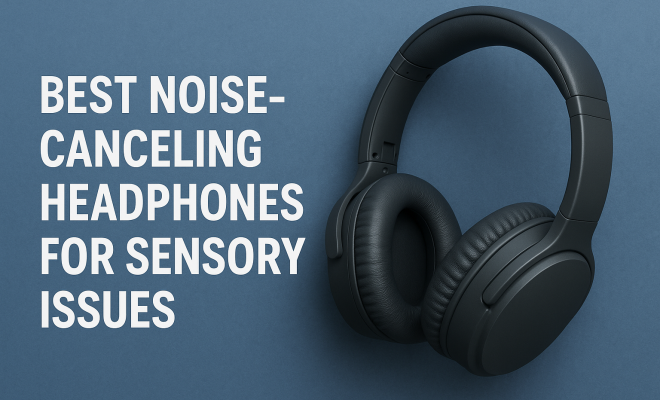
Best Noise-Canceling Headphones for Sensory Issues
“`html
For many individuals, noise can be more than just a distraction; it can be a source of anxiety and discomfort. Whether due to sensory processing disorders, ADHD, or autism spectrum disorders, many people are sensitive to the sounds around them. This sensitivity can significantly impact daily life, making the search for relief essential. Among the most effective solutions available today are the best noise-canceling headphones, designed specifically to alleviate auditory overload. Let’s explore the top options available and dive into what makes them stand out.
1. Bose Noise Cancelling Headphones 700
The Bose Noise Cancelling Headphones 700 are often lauded as a benchmark in the noise-canceling space. With impeccable sound quality and comfort, they are particularly beneficial for those with sensory issues. Featuring a lightweight design and plush ear cups, these headphones ensure that you can wear them for extended periods without discomfort.
One of the standout features is the adjustable noise cancellation levels. Users can select from 11 different levels, allowing for a tailored experience depending on the environment. Whether you need complete silence in a bustling café or just a slight reduction in background noise while working, these headphones can adapt to your needs. Furthermore, the headphones include an impressive battery life of up to 20 hours, making them perfect for long trips or daily commutes.
2. Sony WH-1000XM4
The Sony WH-1000XM4 is another top contender in the realm of the best noise-canceling headphones. Recognized for their exceptional sound quality, these headphones are equipped with Adaptive Sound Control, which automatically adjusts noise-canceling settings based on your surroundings. For individuals with sensory issues, this feature can be incredibly beneficial, as it allows for a seamless transition between environments.
Additionally, the headphones support touch controls, making it easy to manage playback and adjust settings without needing to remove them. With up to 30 hours of battery life, they also feature quick charging capabilities, ensuring you won’t be left without sound for long. The lightweight design and comfortable ear padding make them suitable for all-day wear, especially for those who may struggle with discomfort from traditional headphones.
3. Apple AirPods Max
If you’re looking for a premium option, the Apple AirPods Max may be worth considering. These over-ear headphones offer impressive sound quality along with robust noise cancellation capabilities. They utilize computational audio technology to provide a rich sound experience while effectively blocking out environmental noise.
The design of the AirPods Max is both sleek and comfortable, with memory foam ear cushions that allow for extended wear without irritation. The Active Noise Cancellation feature can be toggled on and off, giving users control over their listening environment. Battery life stands at around 20 hours with Active Noise Cancellation enabled, ensuring that you’ll have plenty of usage time before needing a recharge.
4. Sennheiser PXC 550-II
Sennheiser’s PXC 550-II headphones are known for their outstanding audio quality and adaptive noise-canceling capabilities. With a focus on comfort and usability, these headphones are perfect for individuals with sensory sensitivities. They offer a comfortable fit with a lightweight design, making them easy to wear for long periods.
A unique feature of the PXC 550-II is its Smart Pause function, which automatically pauses playback when you remove the headphones and resumes when you put them back on. This can be particularly handy for users who may need to engage in conversations or take breaks from their audio experience. With a battery life of up to 30 hours, these headphones can easily last through long journeys or day-long activities.
5. Jabra Elite 85h
The Jabra Elite 85h headphones offer a robust combination of sound quality, noise cancellation, and comfort. Their Smart Active Noise Cancellation adjusts in real time, reducing unwanted background noise effectively. This is particularly valuable for users with sensory issues who may find sudden noises disruptive.
These headphones also boast an impressive battery life of up to 36 hours, ensuring they can last through those lengthy workdays or travel excursions. The Jabra Sound+ app provides additional customization options, allowing users to tailor their audio experience even further. With a comfortable over-ear design, they provide a snug fit that enhances overall sound isolation. (See: Noise and its effects on health.)
6. Bang & Olufsen Beoplay H9
For those seeking luxury, the Bang & Olufsen Beoplay H9 headphones deliver an exceptional audio experience combined with premium materials. The headphones are crafted with genuine leather and soft memory foam for added comfort, making them an excellent choice for sensory-sensitive users.
The H9 headphones provide adaptive noise cancellation, which can be adjusted based on your environment. They also come with a transparency mode, allowing users to hear ambient sounds without removing the headphones. This can be particularly useful in social settings where you may need to engage with others. With a battery life of up to 25 hours, they offer a balanced blend of luxury and functionality. For more on this, see great gift ideas.
7. Microsoft Surface Headphones 2
The Microsoft Surface Headphones 2 are designed for productivity and comfort, making them a strong contender for those with sensory issues. The headphones provide excellent sound quality and effective noise cancellation, which can be adjusted using intuitive dial controls on the earcups.
These headphones are also equipped with a built-in equalizer, allowing users to customize their audio experience. Comfort is key, as the plush ear cushions and lightweight design make them suitable for extended wear. With up to 20 hours of battery life, the Surface Headphones 2 are perfect for long work sessions or travel.
8. Anker Soundcore Life Q30
If you’re looking for a more budget-friendly option, the Anker Soundcore Life Q30 headphones are a fantastic choice. They offer impressive noise cancellation at a reasonable price, making them accessible for many users. Despite their lower cost, the sound quality remains high, providing a fulfilling listening experience.
The headphones feature multiple noise cancellation modes, including transport and indoor settings, allowing you to customize your audio experience based on your environment. With up to 40 hours of battery life, these headphones can go the distance, making them a solid option for anyone seeking comfort and quality without breaking the bank.
9. Shure AONIC 50
The Shure AONIC 50 headphones are recognized for their industry-leading sound quality, making them a favorite among audiophiles. They provide effective noise cancellation, which is adjustable through the accompanying app. This level of customization is particularly beneficial for those with sensory sensitivities.
These headphones are designed for comfort, featuring breathable ear pads and a snug fit. With a battery life of up to 20 hours, they can easily accompany you throughout your day. The AONIC 50’s sound profile can also be adjusted to suit personal preferences, ensuring a tailored listening experience.
10. Choosing the Right Headphones for You
When selecting the best noise-canceling headphones for sensory issues, it’s essential to consider a few key factors. First, assess the level of noise cancellation you require. Some users may prefer adjustable settings, while others may need a more robust solution. Comfort is another crucial aspect; look for headphones with ample padding and a weight that feels manageable.
Additionally, battery life should not be overlooked. For those who use headphones throughout the day, a longer battery life will be a significant advantage. Finally, consider any additional features, such as app compatibility or touch controls, that can enhance your overall experience. By taking the time to evaluate your needs, you can find the perfect pair of noise-canceling headphones to help you find peace in a noisy world.
11. How Noise-Canceling Headphones Work
Noise-canceling headphones use a combination of passive and active noise cancellation technologies to block sound. Passive noise cancellation is achieved through physical barriers, like the ear cushions that cover the ear, which help to block outside noise. Active noise cancellation (ANC), on the other hand, utilizes microphones to pick up external sounds and then generates sound waves that are the exact opposite, effectively canceling out the noise before it reaches your ears. This dual approach makes noise-canceling headphones particularly effective in reducing low-frequency sounds, such as the hum of an airplane engine or the chatter in a busy café.
12. Benefits of Using Noise-Canceling Headphones for Sensory Sensitivity
For individuals with sensory sensitivities, using noise-canceling headphones can provide several benefits. They can create a more controlled auditory environment, reducing anxiety and helping users focus on tasks or enjoy music without distraction. Studies have shown that reducing auditory input can lead to improved concentration and productivity, particularly in noisy settings like offices or public transport. Furthermore, using these headphones can offer a sense of personal space and comfort, which can be invaluable for individuals who may feel overwhelmed in crowded or chaotic environments.
13. Expert Opinions on Noise-Canceling Technology
Industry experts generally agree that noise-canceling technology has advanced significantly in recent years. Many point out that while the best noise-canceling headphones can provide substantial relief for sensory-sensitive users, the effectiveness can vary based on the brand and model. Acoustic engineers have noted that the quality of the materials used in the construction of the headphones plays a significant role in their overall sound isolation abilities. Additionally, user experience is crucial; headphones that are comfortable and lightweight will more likely be used consistently, thus providing ongoing relief from unwanted noise. (See: CDC on sensory processing disorders.)
14. Statistics on Noise and Its Effects
Research has shown that exposure to high levels of noise can lead to various health issues, including increased stress levels, anxiety, and difficulty concentrating. According to the World Health Organization, noise pollution is a significant environmental risk to health, with up to 1 billion people at risk of hearing loss due to excessive noise exposure. This highlights the importance of effective noise-canceling solutions, particularly in urban settings where noise is prevalent. In a survey conducted by Consumer Reports, over 75% of respondents indicated that they would consider investing in noise-canceling headphones due to their potential benefits in enhancing focus and reducing stress.
15. Comparative Analysis: Wired vs. Wireless Noise-Canceling Headphones
When choosing between wired and wireless noise-canceling headphones, there are pros and cons to each option. Wired headphones generally provide a more stable audio connection, ensuring that sound quality is not compromised by wireless signal issues. They often come at a lower cost compared to their wireless counterparts, making them a popular choice among budget-conscious consumers. summer learning fun offers useful background here.
On the other hand, wireless noise-canceling headphones offer convenience and mobility, allowing users to move freely without being tethered to a device. Many modern wireless models now include advanced technologies such as Bluetooth 5.0 or higher, which can provide a more reliable connection and improved battery life. For individuals who prioritize ease of use and versatility, wireless headphones may be the better choice. Ultimately, the decision will depend on your personal preferences and how you plan to use the headphones.
16. FAQs About Noise-Canceling Headphones
Q1: Can noise-canceling headphones completely block out all sound?
A1: While noise-canceling headphones significantly reduce unwanted background noise, they may not completely eliminate all sounds, especially high-frequency ones. They are most effective against constant low-frequency noises, such as engine sounds or air conditioning.
Q2: Are noise-canceling headphones safe to use for prolonged periods?
A2: Yes, noise-canceling headphones are generally safe for extended use. However, it’s essential to take breaks periodically to give your ears some rest. If you experience discomfort or pressure while wearing them, it’s advisable to remove them for a while.
Q3: Do I need to charge noise-canceling headphones regularly?
A3: Most wireless noise-canceling headphones require charging, while wired models do not. Battery life varies significantly among different brands and models, so it’s good to consult the specifications to know how often you’ll need to recharge them.
Q4: Can I use noise-canceling headphones while on a phone call?
A4: Many noise-canceling headphones come equipped with built-in microphones and can be used for phone calls. However, the quality of the call may vary based on the model and the environment you’re in.
Q5: How do I maintain my noise-canceling headphones?
A5: To keep your noise-canceling headphones in good condition, store them in a protective case when not in use, clean the ear cushions regularly, and avoid exposing them to extreme temperatures or moisture. Checking for software updates (for wireless models) can also enhance performance.
Q6: Are there specific brands known for their noise-canceling technology?
A6: Yes, brands such as Bose, Sony, and Sennheiser are renowned for their noise-canceling technology. Each brand has its unique features and strengths, so it’s worth trying different models to find what works best for you.
Q7: Can children use noise-canceling headphones?
A7: Yes, many noise-canceling headphones are suitable for children. However, it’s crucial to choose models designed with child-friendly features, such as volume limiters, to protect their hearing.
Q8: Is there a significant price difference in noise-canceling headphones?
A8: Yes, noise-canceling headphones can range from budget options to high-end models. Price differences often reflect the technology used, sound quality, comfort, and additional features. It’s important to evaluate your needs and budget when making a choice.
Q9: Can I use noise-canceling headphones without music?
A9: Absolutely! Noise-canceling headphones can be used without playing music to simply block out background noise. This feature can be particularly helpful for concentration or relaxation in noisy environments.
Q10: What should I look for in noise-canceling headphones for travel?
A10: Ideal travel headphones should have a comfortable fit, long battery life, and effective noise cancellation. Features like foldable designs and included carrying cases can also enhance portability.
17. The Future of Noise-Canceling Technology
As technology continues to advance, the future of noise-canceling headphones looks promising. Innovations such as adaptive sound environments and integration with smart home systems might enhance user experiences even further. For instance, manufacturers are exploring the use of machine learning to better understand user preferences and adjust noise cancellation levels accordingly. This could allow for an even more personalized listening experience, automatically adapting to your environment without manual input.
Additionally, we might see the development of new materials that can improve comfort and sound quality while also being more eco-friendly. Sustainable designs are becoming increasingly important, reflecting a growing concern for environmental impacts. Brands that can integrate high-performance noise cancellation with eco-conscious manufacturing practices could lead the future market.
18. Real-World Applications of Noise-Canceling Headphones
The practical applications of noise-canceling headphones extend beyond personal enjoyment of music and podcasts. Many professionals in various fields are utilizing these headphones to enhance productivity. For instance, remote workers often rely on noise-canceling headphones to create a focused workspace amidst household distractions. Studies have indicated that workers who use noise-canceling headphones report increased concentration and job satisfaction.
Moreover, they’re becoming a staple in therapeutic settings. Audiologists and therapists utilize noise-canceling headphones as part of sensory integration techniques for clients with heightened sensory sensitivities. The ability to create a quieter environment can help ease anxiety and improve overall treatment outcomes.
19. Noise-Canceling Headphones and Mental Health
There’s an increasing acknowledgment of the connection between sound and mental health. For individuals who experience anxiety or stress, noise-canceling headphones can act as a calming tool, creating a buffer against overwhelming stimuli. Studies indicate that people with anxiety disorders can benefit from the use of noise-canceling technology by reducing the noise that exacerbates their symptoms. Caregivers also find these headphones beneficial for managing stress levels in children with autism spectrum disorders, offering them a way to engage with their environments more comfortably.
In noisy environments, such as busy urban areas or crowded public transport, noise-canceling headphones can provide a layer of security and comfort, helping individuals feel more in control. As mental health awareness rises, the role of technology in supporting wellbeing is becoming an essential topic in discussions about modern living.
“`
Trending Now
Frequently Asked Questions
What are the best noise-canceling headphones for sensory issues?
Some of the best noise-canceling headphones for sensory issues include the Bose Noise Cancelling Headphones 700 and the Sony WH-1000XM4. These models offer excellent sound quality, comfort, and customizable noise cancellation features, making them suitable for individuals sensitive to auditory stimuli.
How do noise-canceling headphones help with sensory processing disorders?
Noise-canceling headphones can significantly reduce unwanted background noise, helping individuals with sensory processing disorders feel more comfortable. By providing a quieter environment, they can alleviate anxiety and discomfort caused by auditory overload, allowing for improved focus and relaxation.
What features should I look for in noise-canceling headphones?
When choosing noise-canceling headphones, look for features like adjustable noise cancellation levels, comfort, battery life, and sound quality. Models like the Bose 700 and Sony WH-1000XM4 offer customizable settings and plush designs to enhance the listening experience for those with sensory sensitivities.
Are noise-canceling headphones worth it for people with ADHD?
Yes, noise-canceling headphones can be beneficial for individuals with ADHD. They help minimize distractions from external noises, allowing for better concentration and focus during tasks. Models with adaptive sound control, like the Sony WH-1000XM4, can further enhance the experience by adjusting to different environments.
How long do the batteries last in noise-canceling headphones?
The battery life of noise-canceling headphones varies by model. For example, the Bose Noise Cancelling Headphones 700 offer up to 20 hours of battery life, making them ideal for long trips or daily use. Always check the specifications for each model to ensure it meets your needs.
What did we miss? Let us know in the comments and join the conversation.