Asian Energy Landscape Shifts: The Resurgence of Coal Amid High LNG Prices
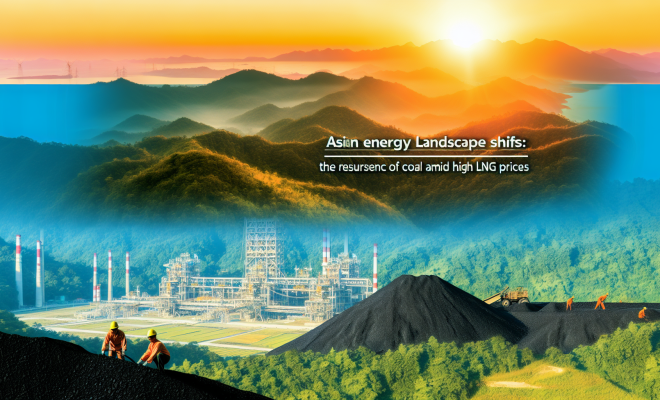
As the global energy landscape continues to evolve, recent spikes in liquefied natural gas (LNG) prices have triggered a notable shift in several Asian countries’ energy strategies. This resurgence of coal usage, while providing immediate energy security, poses significant challenges to climate commitments and emphasizes the region’s ongoing reliance on traditional fuels.
The Impact of Rising LNG Prices
In recent weeks, LNG prices have soared, leading countries like Japan, South Korea, and China to reconsider their energy mix. As these nations grapple with soaring costs associated with natural gas imports, coal—which is often seen as a less desirable energy source due to its environmental impact—has made a surprising comeback.
Short-Term Security vs. Long-Term Climate Goals
The immediate trigger for this shift is the pressing need for energy security in the face of high LNG prices. The volatility of natural gas markets has made coal an attractive alternative, even though it contradicts many countries’ long-term decarbonization strategies. The decision to revert to coal is primarily driven by:
- Heightened demand for immediate coal shipments: As prices for LNG reach unprecedented levels, the demand for quick and reliable sources of power has surged.
- Bolstered domestic coal production: Several Asian nations have ramped up their coal production capabilities to meet the growing energy demand.
- Shift in priorities from decarbonization to reliability: In light of the current energy crisis, many countries are prioritizing energy reliability over environmental considerations.
Market Dynamics and Coal Supply Chains
The increasing reliance on coal has significant implications for global coal supply chains. Many Asian countries are not only ramping up their domestic production but are also competing in the international market for coal imports. This has resulted in:
- Sustained price support for thermal coal: Prolonged crises in the LNG market have provided a buffer for thermal coal prices, keeping them elevated.
- Increased pressure on coal supply chains: As demand surges, logistics and transportation networks are being stretched, complicating the supply chain.
The Bigger Picture: Dependence on Traditional Fuels
This trend highlights a troubling reality for many countries in the region. Despite ambitious plans to transition to renewable energy sources, the immediate response to energy price shocks has led to a re-emphasis on traditional fuels like coal. This reliance raises questions about the feasibility of achieving long-term climate goals amidst short-term energy crises.
Government Responses and Policy Implications
In response to the current energy crisis, governments are exploring ways to stabilize their energy supplies. Measures being considered or implemented include:
- Increasing coal production: Many countries are investing in enhancing their coal mining operations to ensure a steady supply.
- Incentivizing domestic energy sources: Governments may introduce subsidies or incentives for coal production to reduce dependence on imported LNG.
- Short-term energy contracts: To secure immediate energy needs, countries are entering into short-term contracts for coal procurement.
Environmental Concerns
While the shift back to coal may alleviate short-term energy concerns, it raises significant environmental issues. Coal is one of the dirtiest forms of energy, contributing to greenhouse gas emissions and air pollution. As countries revert to coal, they risk undermining their commitments to international climate agreements, such as the Paris Agreement, which aims to limit global warming.
Moreover, this return to coal could slow down investments in renewable energy technologies. Many stakeholders fear that as coal becomes a more prominent feature of the energy mix, funding and focus on clean energy initiatives may be diverted.
Future Outlook: Balancing Act Between Energy Security and Sustainability
As Asia navigates this challenging energy landscape, the path forward will require a delicate balance between immediate energy security and long-term sustainability. Policymakers must find innovative solutions that allow for:
- Investment in renewable energy: Continued investment in renewable technologies should be prioritized to reduce future dependence on coal.
- Implementation of cleaner coal technologies: Advancements in carbon capture and storage (CCS) could help mitigate some environmental impacts of coal usage.
- Regional cooperation: Collaborative efforts among Asian countries may facilitate shared energy resources and technologies, promoting a more integrated energy approach.
In conclusion, while the immediate reversion to coal in response to high LNG prices may enhance short-term energy security, it poses significant challenges to long-term climate goals and sustainability. The choices made today will undoubtedly shape the energy landscape of the future, underscoring the importance of strategic planning and investment in clean energy alternatives.