Artemis II Crew Achieves Historic Lunar Far Side Flyby in 2026
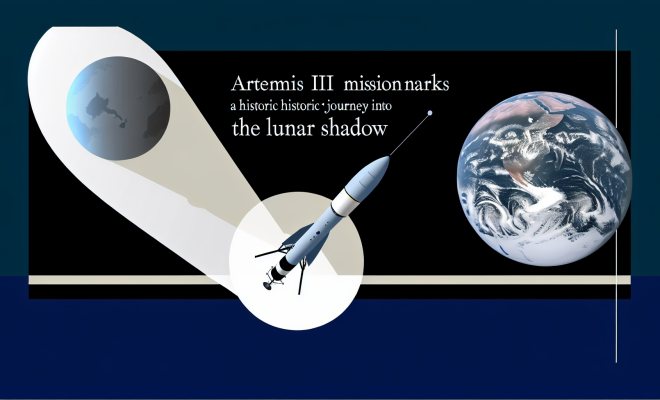
NASA’s Artemis II mission has made history, with its crew of four astronauts flying farther into space than any human beings have ventured before. On April 6, 2026, the team achieved an extraordinary milestone, reaching approximately 402,000 kilometers from Earth and conducting a rare flyby of the moon’s shadowed far side, a region that remains largely unexplored.
The Journey Begins
The Artemis II mission is part of NASA’s broader initiative to return humans to the moon and eventually pave the way for Mars exploration. Launched on a trajectory that would send the Orion spacecraft deep into space, the mission’s primary objective was to gather data and conduct observations that could inform future lunar missions.
A Unique Perspective on the Far Side
As Orion approached the moon’s far side, the crew engaged in a six-hour survey of the dark, heavily cratered landscape. This area of the moon is not visible from Earth, making it a fascinating target for scientific exploration. During their flyby, the astronauts were able to directly observe ‘impact flashes’—brief bursts of light generated by meteors striking the lunar surface.
These impact events are significant for lunar science, as they can provide insights into the moon’s surface composition and history. The observations made by the Artemis II crew are expected to contribute to our understanding of how the moon has been shaped over billions of years by various cosmic events.
A Collaborative Effort
Monitoring the flyby in real-time was a team of around two dozen scientists stationed at NASA’s Johnson Space Center in Houston. This group was responsible for analyzing data as it came in, ensuring that the mission’s objectives were met and that valuable information was collected for future studies.
The Significance of the Mission
Reaching such a remarkable distance from Earth is not just a feat of engineering; it represents a significant leap forward in human space exploration. The Artemis II mission is a critical step in NASA’s Artemis program, which aims to establish a sustainable human presence on the moon by the end of the decade.
- Historical Context: This mission follows the legacy of the Apollo program, which first landed humans on the moon in 1969. However, the Artemis II mission sets a new record for the farthest distance traveled by humans in space.
- Future Implications: The knowledge gained from Artemis II will not only enhance our understanding of the moon but also aid in planning for future human missions to Mars.
- Technological Advancements: The Orion spacecraft, designed for deep space travel, showcases advancements in technology that are crucial for the next generation of space exploration.
Looking Ahead
The Artemis II mission serves as a precursor to Artemis III, which is slated to land astronauts on the lunar surface, including the first woman and the next man. This mission is expected to take place in the coming years, further solidifying humanity’s return to the moon and expanding our capabilities in space.
As Artemis II continues its journey, the data collected during this historic flyby will be analyzed, contributing to a wealth of knowledge that will inform future lunar and interplanetary explorations. The mission not only highlights human ingenuity and determination but also underscores the importance of international collaboration in space exploration.
Conclusion
With the Artemis II mission, NASA has achieved a remarkable milestone, showcasing the potential for human exploration beyond Earth. The observations made during the flyby of the moon’s far side are a testament to the capabilities of modern technology and the relentless pursuit of knowledge about our universe. As we look forward to the future of space exploration, the Artemis program stands as a beacon of hope and inspiration, reminding us of the endless possibilities that await us in the cosmos.