Artemis II: A Historic Leap into Lunar Exploration
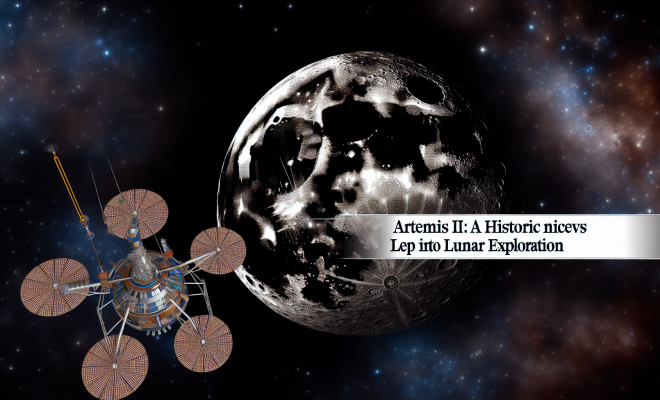
The dawn of a new era in space exploration has arrived with the launch of NASA’s Artemis II mission. This mission marks a significant return to lunar exploration for humanity, occurring just over half a century after the last Apollo mission. As astronauts venture farther from Earth than ever before, the Artemis II mission not only aims to pave the way for future lunar endeavors but also sets the stage for a sustainable human presence on the Moon.
The Crew of Artemis II
Artemis II has assembled a remarkable crew of four NASA astronauts, each bringing unique skills and experiences to the mission. This diverse team is tasked with executing a flight that will take them beyond the low Earth orbit, an area where no human has ventured since the Apollo missions.
- Commander: Reid Wiseman – A veteran astronaut with prior spaceflight experience, Wiseman will lead the mission, overseeing all operations aboard the spacecraft.
- Pilot: Victor Glover – Glover, who made history as the first African American astronaut to live and work on the International Space Station, brings vital piloting skills to the mission.
- Mission Specialist: Christina Koch – Known for her record-setting 328 days in space, Koch will contribute her extensive knowledge of long-duration spaceflight.
- Mission Specialist: Jeremy Hansen – A Canadian Space Agency astronaut, Hansen represents international collaboration in space exploration.
Mission Objectives
The Artemis II mission aims to achieve several critical objectives:
- Test the Orion Spacecraft: The mission will test NASA’s Orion spacecraft, which is designed to support long-duration missions beyond Earth’s orbit.
- Establish Lunar Gateway Foundations: Artemis II will establish groundwork for the Lunar Gateway, a planned space station in lunar orbit that will serve as a hub for future missions.
- Prepare for Human Landings: The mission will gather essential data to prepare for subsequent missions that will land astronauts on the Moon’s surface.
A Leap Toward the Moon
More than five decades have passed since the end of the Apollo program, which concluded with Apollo 17 in 1972. The Artemis program seeks to reignite humanity’s interest in lunar exploration, moving beyond the achievements of the past. The Artemis II mission is particularly significant as it focuses not only on exploration but also on establishing a sustainable human presence on the Moon.
NASA Administrator Bill Nelson emphasized the importance of this mission, stating, “With Artemis II, we are not just going back to the Moon; we are paving the way for future missions to Mars and beyond. This mission will allow us to learn how to live and work in deep space for extended periods.”
The Significance of Lunar Exploration
Lunar exploration offers numerous scientific and practical advantages. Studying the Moon can provide insights into the early solar system, help refine our understanding of planetary formation, and serve as a testing ground for technologies that will be crucial for longer missions to Mars.
The Artemis program also aims to engage a new generation of scientists, engineers, and explorers. By collaborating with international partners and private industry, NASA is fostering an inclusive approach to space exploration. This mission represents a renewed commitment to pushing the boundaries of human achievement and inspiring future generations.
What Lies Ahead
As Artemis II embarks on its journey, it will lay the foundation for a series of planned missions. Following Artemis II, NASA intends to launch Artemis III, which aims to land astronauts on the lunar South Pole, a region believed to contain water ice and other resources that could support future exploration.
Moreover, the Lunar Gateway, which Artemis II will help establish, will serve as a crucial part of NASA’s long-term vision for exploration. This orbiting platform will support a variety of missions, including lunar landings and scientific research, and will act as a stepping stone for missions to Mars.
Conclusion
The Artemis II mission is not just a leap back to the Moon; it signifies a monumental shift in humanity’s approach to space exploration. By preparing for longer missions and establishing a sustainable presence beyond Earth, NASA is setting the stage for the next chapter in our exploration of the cosmos. As we look to the stars, Artemis II stands as a testament to human ingenuity and the relentless pursuit of knowledge.
As the world watches, the journey of Artemis II will undoubtedly become a source of inspiration, reminding us all that the quest for exploration and discovery is far from over.