Combat Diet-Related Diseases: Lessons from Tobacco Control
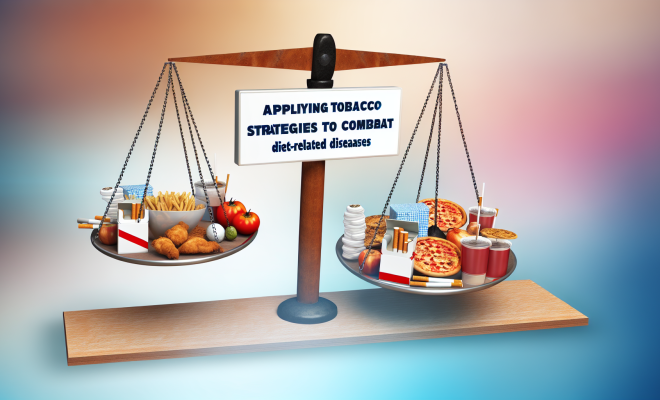
As the global epidemic of diet-related diseases continues to escalate, particularly among children, experts are turning to unexpected sources for solutions. A recent proposal suggests that strategies used in tobacco control could be adapted to formulate a robust food policy aimed at reducing the consumption of ultra-processed foods, akin to the regulations imposed on cigarettes.
The Challenge of Diet-Related Diseases
According to the World Health Organization, diet-related diseases such as obesity, diabetes, and heart disease pose significant health risks, particularly in children. The prevalence of these diseases is alarming, with rising rates of childhood obesity being reported across the globe. In the United States, for instance, the Centers for Disease Control and Prevention (CDC) highlights that approximately 19.3% of children and adolescents aged 2 to 19 years are obese. This situation demands urgent action, and experts believe that a paradigm shift in public health policy could be key.
Learning from Tobacco Control
The tobacco control movement has seen considerable success in reducing smoking rates and shifting public attitudes toward smoking. Experts advocate that similar strategies could be employed to tackle the consumption of unhealthy foods. The core elements of the tobacco playbook that are suggested for adaptation include:
- Marketing Restrictions: Just as tobacco advertising has been curtailed, experts suggest implementing strict regulations on the marketing of ultra-processed foods, especially those targeting children.
- Taxation: Increasing taxes on unhealthy food products could disincentivize consumption, akin to the taxation strategies used in tobacco control.
- Public Education Campaigns: Initiatives to inform the public about the health risks associated with ultra-processed foods could help shift social norms and consumer behavior.
Implementing Marketing Restrictions
One of the primary strategies that can be borrowed from tobacco control is the restriction of marketing practices. Advertisements for ultra-processed foods often glamorize unhealthy eating habits, particularly to impressionable young audiences. By implementing regulations that limit or ban advertising of these products during children’s programming and in schools, there is potential to reduce their appeal and, ultimately, consumption.
For example, the United Kingdom has already begun to take steps in this direction, banning junk food advertisements on television before 9 p.m. This initiative reflects a growing recognition of the need to protect children from the pervasive marketing of unhealthy products.
Taxation as a Deterrent
Taxation has proven effective in reducing tobacco consumption, and similar measures could be employed for ultra-processed foods. By imposing higher taxes on sugary drinks, snacks, and fast foods, governments could incentivize healthier choices. Research indicates that even a modest increase in the price of unhealthy foods can lead to a significant decrease in consumption.
Countries like Mexico have already seen success with soda taxes, which have led to a noticeable drop in sugary beverage sales. These examples could serve as a blueprint for broader food taxation policies aimed at improving public health.
Public Education Campaigns
Effective public education campaigns are paramount in any health strategy. The tobacco control movement has successfully educated the public about the dangers of smoking, leading to cultural shifts surrounding tobacco use. Similarly, targeted campaigns can raise awareness about the health risks associated with ultra-processed foods.
These campaigns can focus on debunking myths about food marketing, promoting healthier alternatives, and emphasizing the importance of nutrition. By effectively communicating the negative impacts of unhealthy eating habits, these initiatives can encourage individuals and families to make healthier choices.
Shifting Public Health Norms
To achieve lasting change, it is essential to shift public health norms surrounding food consumption. Just as society has increasingly stigmatized smoking in recent decades, a similar movement is needed regarding ultra-processed foods. This requires collaborative efforts from policymakers, health organizations, and community leaders to create an environment where healthy eating is the norm and unhealthy options are not only less accessible but also socially discouraged.
Experts emphasize that a comprehensive approach that combines marketing restrictions, taxation, and public education will be critical in transforming the food landscape. By learning from the successes and challenges of tobacco control, policymakers can develop effective strategies to combat the rising tide of diet-related diseases.
The Path Forward
The idea of applying a tobacco playbook to food policy is not without its challenges. It will require strong political will, public support, and a commitment to prioritizing health over industry interests. However, the potential benefits are profound. By reducing the consumption of ultra-processed foods, we can improve health outcomes for future generations and pave the way for a healthier society.
As we move forward, the call to action is clear: harness the lessons learned from tobacco control to create a healthier food environment. By doing so, we can combat diet-related diseases effectively and ensure a brighter future for our children.