AI Diet Plans: A Nutritional Mismatch for Teens
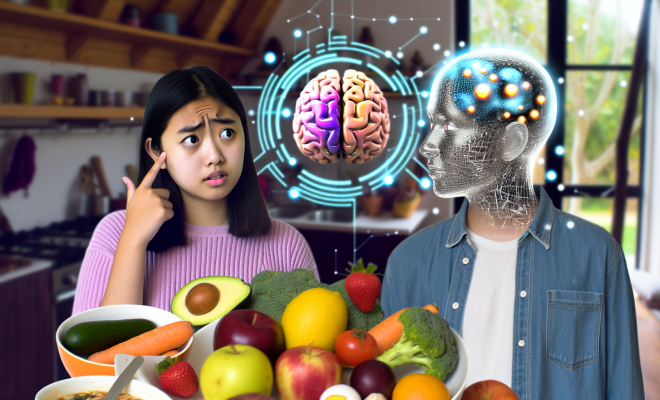
The rise of artificial intelligence (AI) in various sectors has also extended to health and nutrition, particularly in the creation of diet plans tailored for adolescents. However, a recent study published in Frontiers in Nutrition has raised significant concerns about the adequacy of these AI-generated dietary recommendations. The research indicates that popular AI tools consistently underestimate the energy and nutrient needs of teenagers, potentially jeopardizing their health at a critical stage of growth.
The Study: Key Findings
In this pioneering study, researchers conducted a thorough comparison of AI-generated diet plans against those crafted by professional dietitians. The findings revealed alarming discrepancies in energy and nutrient provision. On average, AI-generated diets provided:
- 695 kcal less energy
- 20g less protein
- 16g less fat
- 115g fewer carbohydrates
This mismatch raises serious questions about the adequacy of AI-generated dietary recommendations, especially considering the unique nutritional needs of adolescents who are often undergoing significant physical and mental development.
Macronutrient Imbalances
Not only did the AI models provide insufficient caloric intake, but they also exhibited notable imbalances in macronutrient distribution. The research indicated a concerning tendency for AI-generated plans to favor higher levels of protein and fats at the expense of carbohydrates. This is particularly problematic since carbohydrates are crucial for providing the energy necessary for the high activity levels typical of teenagers.
Dietitians typically advocate for a balanced macronutrient profile that supports overall health, growth, and development. The skewed macronutrient ratios observed in AI-generated plans could contribute to long-term health issues, including obesity and metabolic disorders, especially in a demographic already grappling with rising obesity rates.
Micronutrient Composition: A Critical Oversight
Beyond macronutrients, the study highlighted significant variability in the micronutrient compositions of diets generated by different AI models. Micronutrients, which include vitamins and minerals, play a crucial role in numerous bodily functions, including immune response, bone health, and energy metabolism. The inconsistencies in micronutrient provision could lead to deficiencies that may adversely affect adolescents’ health, particularly during a period of rapid growth.
For instance, essential nutrients such as calcium and iron, vital for bone development and oxygen transport, respectively, were often inadequately represented in AI-generated plans. The failure of AI tools to match the recommendations of dietitians raises concerns about their readiness for clinical use, particularly without appropriate expert oversight.
The Implications for Teen Health
As the obesity epidemic continues to grow, particularly among adolescents, the implications of these findings cannot be overstated. Poor nutrition during formative years can have lasting effects on health, contributing to obesity and its associated risks. With teenagers facing unique nutritional challenges, it is crucial that any dietary recommendations—whether from AI or other sources—are accurate and tailored to their specific needs.
The reliance on AI in dietary planning could inadvertently exacerbate the very issues it seeks to address. If these tools are not equipped to adequately assess and address the nutritional needs of adolescents, they may do more harm than good.
AI and Nutrition: A Call for Caution
This study serves as a critical reminder of the limitations of AI in personalized nutrition. While AI technology has the potential to revolutionize dietary planning, it is evident that current models require significant refinement before they can be deemed reliable for clinical use. The need for human expertise in conjunction with AI capabilities is paramount to ensure that the dietary needs of adolescents are met.
As the field of nutrition science continues to evolve, it is essential for developers of AI tools to work closely with nutrition experts to create algorithms that accurately reflect dietary needs. This collaboration can help ensure that AI-generated diet plans are not only convenient but also nutritionally sound.
Conclusion: The Future of AI in Diet Planning
In conclusion, while AI technology holds promise for the future of dietary planning, it is crucial to approach its current applications with caution, particularly in the context of adolescent health. The discrepancies highlighted by the recent study underscore the necessity for a balanced and scientifically sound approach to nutrition.
As researchers and developers continue to refine these tools, the ultimate goal should be to create AI-driven solutions that are not only innovative but also accurately cater to the complex nutritional needs of growing teenagers. Until that day arrives, parents and guardians should remain vigilant and seek professional dietary guidance to ensure their teens receive the proper nutrition necessary for healthy growth and development.