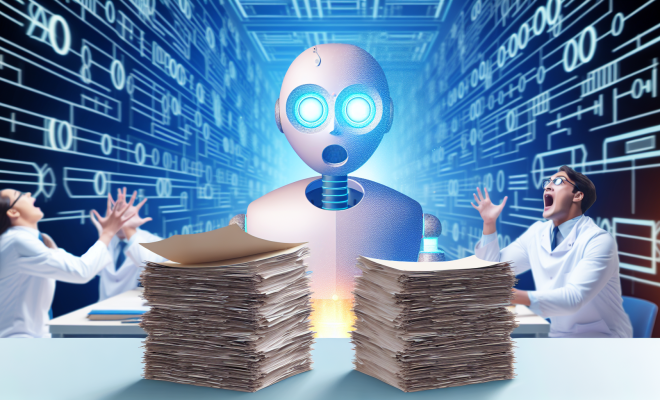
AI’s Hidden Cost: Why Your Power Bill Is Exploding in 2026
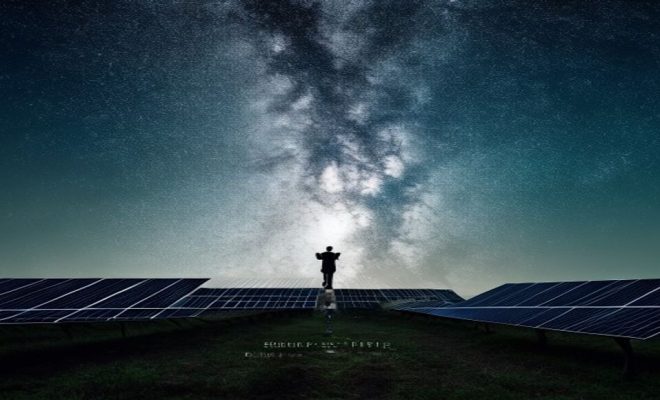
Something truly remarkable, and perhaps a little unsettling, is happening in the world of electricity. On one hand, we’re witnessing an unprecedented surge in American solar power demand, with solar farms hitting their highest monthly output ever, a record established just last month, on July 24, 2026. This sounds like fantastic news for green energy, right?
But here’s the kicker: this explosion in solar generation isn’t just about a growing commitment to renewables. It’s being driven by a silent, ravenous beast lurking in the background: Artificial Intelligence. AI data centers are pushing total U.S. electricity consumption to new, dizzying heights, creating a critical tension between our technological ambitions and our energy infrastructure. It’s a fascinating, financially significant, and frankly, emotionally charged topic that impacts everything from your monthly power bill to the future of our planet.
1. The AI Energy Appetite: A New Era of Demand
Let’s talk about the elephant in the server room: AI’s insatiable hunger for power. We’re not just talking about a modest increase; this is a seismic shift. The International Data Center Authority’s 2026 Global Energy Report laid it bare: AI data centers ramped up their electricity consumption by a staggering 50% in 2025 alone. Think about that for a moment – in just one year, a single sector added enough demand to power small nations.
This isn’t a trend that’s slowing down; it’s accelerating. Experts project that data center power demand, largely fueled by AI, is on track to nearly double by 2027. This isn’t some distant future scenario; that’s next year. The implications are profound, touching every aspect of our energy grid, from generation to transmission, and undeniably impacting the trajectory of solar power demand. The sheer scale of this energy draw is reshaping national power strategies, forcing utilities and governments to scramble for solutions, and putting an immense spotlight on where all this new electricity will come from.
1.1. The Specifics of AI’s Power Consumption
To truly grasp the scale, let’s break down why AI is so energy-intensive. It’s not just the sheer number of servers; it’s the nature of the computations. Training large language models (LLMs) like those powering generative AI requires colossal amounts of parallel processing. Imagine millions of calculations happening simultaneously, 24/7. Each of these calculations, multiplied by trillions, generates heat and requires continuous electrical input.
A single AI chip, often a Graphics Processing Unit (GPU), can consume hundreds of watts. A server rack packed with dozens of these chips can pull several kilowatts. Now, multiply that by thousands of racks in a single data center, and you quickly reach megawatts of demand. And it’s not just the processing; cooling these hot components is another significant energy drain. Advanced cooling systems, while more efficient than traditional air conditioning, still require substantial power themselves. This cascading effect means every AI query, every generated image, every complex algorithm, contributes to a collective energy footprint that’s growing at an unprecedented rate, directly influencing solar power demand as a viable, scalable solution.
2. Record-Breaking Solar Output: A Direct Response to AI
It might seem counterintuitive to link the rise of energy-guzzling AI with the success of renewable energy, but the connection is undeniable and, frankly, quite direct. The same forces pushing overall U.S. electricity consumption to new record highs are simultaneously driving American solar farms to achieve their highest monthly output ever. This isn’t just a happy coincidence; it’s a critical response to an escalating problem.
Utilities and energy providers, faced with the need to supply exponentially more power, are turning to the most rapidly deployable and increasingly cost-effective forms of generation. Solar, with its modular nature and decreasing installation costs, is a prime candidate. The unprecedented solar power demand we’re witnessing is a direct market signal, shouting that more clean, reliable energy is needed, and it’s needed now. This creates a fascinating dynamic where the very technology that strains our grid is also acting as an accelerant for renewable energy adoption.
2.1. Solar’s Competitive Edge in Rapid Deployment
Why solar, specifically, is seeing such a surge in response to AI’s demand is worth looking at. Coal or nuclear plants can take a decade or more to plan, permit, and construct. Large-scale solar farms, on the other hand, can often go from conception to operation in a fraction of that time, sometimes within two to three years for utility-scale projects. Their modular design means you can add capacity relatively quickly by simply installing more panels.
Furthermore, the cost of solar photovoltaic (PV) technology has plummeted over the last decade, making it competitive, and often cheaper, than new fossil fuel generation in many regions. This economic advantage, combined with the urgency to bring new power online, makes solar an attractive, go-to option. Companies operating data centers are also increasingly setting ambitious renewable energy targets, often driven by corporate social responsibility goals and investor pressure. Sourcing solar power, either directly or through power purchase agreements (PPAs), helps them meet these commitments, further driving solar power demand.
3. The Widening Energy Gap: Demand Outstrips Clean Supply
Despite the record-breaking solar output, a significant challenge persists: the gap between energy demand and clean energy supply is widening. The International Data Center Authority’s report didn’t just highlight the surge in consumption; it pointed to a growing chasm. While solar capacity is expanding, the pace of AI’s energy appetite is simply outstripping the rate at which new clean energy sources can come online. It’s a race against time, and right now, AI is winning.
This gap isn’t just an abstract concept; it has real-world consequences. It means that while new solar farms are being built, older, often less clean, power plants are being kept online longer or even brought back into service to meet peak demand. It puts immense pressure on grid stability and raises questions about whether our ambitious climate goals can be met if this trend continues unchecked. The urgent need for sustainable power for AI isn’t just an environmental plea; it’s an economic and infrastructural imperative. (See: surge in American solar power demand.)
3.1. The Role of Energy Storage in Bridging the Gap
One critical component in closing this widening gap is energy storage, particularly large-scale battery systems. Solar power is intermittent; it only generates electricity when the sun is shining. For data centers requiring 24/7, ultra-reliable power, this intermittency is a significant hurdle. Battery storage allows excess solar energy generated during the day to be stored and then discharged when solar output declines, like in the evenings or on cloudy days.
This “firming” of renewable energy makes it a much more reliable and dispatchable source, capable of meeting the constant demands of an AI data center. Investment in battery storage technologies, therefore, is directly linked to the viability and expansion of solar power demand for AI applications. Without robust storage, the reliance on backup fossil fuel plants remains a reality, undermining the environmental benefits of solar. The rapid development and deployment of grid-scale batteries are as crucial as the solar panels themselves in this new energy paradigm.
4. Straining the Grid: Infrastructure Under Pressure
Imagine trying to pour a gallon of water through a straw. That’s essentially what’s happening to our existing power grids as AI data centers demand more and more electricity. The infrastructure built decades ago simply wasn’t designed to handle this kind of concentrated, rapidly escalating load. Utilities are finding themselves in a bind, needing to upgrade transmission lines, substations, and distribution networks at a pace they’ve never encountered before.
This strain isn’t just about capacity; it’s also about reliability. When a massive data center suddenly draws huge amounts of power, it can create localized grid instability, leading to brownouts or even blackouts if not properly managed. This puts a premium on not just generating more power, but generating it reliably and strategically, often close to where it’s consumed. This pressure is undoubtedly accelerating the solar power demand for distributed generation solutions, pushing for more localized energy production to ease the burden on long-distance transmission.
4.1. The Challenge of “Last Mile” Grid Upgrades
While building new solar farms is one thing, getting that power to where it’s needed is another. Many AI data centers are being constructed in areas with existing infrastructure, but even those grids weren’t designed for multi-megawatt, always-on loads appearing almost overnight. The “last mile” problem – connecting the data center to the utility grid – becomes incredibly complex and expensive. Existing transmission lines might not have the capacity, substations might need complete overhauls, and local distribution networks could be overwhelmed.
These upgrades can take years, involve significant permitting challenges, and cost billions of dollars. This infrastructure bottleneck means that even if there’s ample solar generation available on the grid, it might not be able to reach the hungry data centers efficiently or reliably. This further boosts the case for co-located solar facilities or direct power purchase agreements where solar farms are built specifically to serve a nearby data center, bypassing some of the wider grid constraints and directly satisfying solar power demand.
5. Monetization Opportunities: Riding the Green Wave
Where there’s immense demand and a critical need, there are significant monetization opportunities. This dynamic confluence of technological advancement, environmental impact, and rising power bills is creating a fertile ground for businesses in the solar and energy sectors. Savvy investors and entrepreneurs are already recognizing the potential, aligning their strategies with the urgent need for sustainable solutions.
Consider the targeted searches happening right now: ‘solar solutions for data centers,’ ‘energy-efficient AI infrastructure,’ and ‘renewable energy investments.’ These aren’t just casual queries; they represent high commercial intent. Companies that can provide innovative ways to power AI with renewables, or develop more efficient cooling systems, or offer robust energy storage solutions, are poised for massive growth. This isn’t just about doing good; it’s about doing very well financially by addressing a fundamental global challenge.
5.1. Emerging Business Models and Investment Focus
The monetization opportunities extend beyond just selling solar panels. We’re seeing the rise of specialized energy service companies (ESCOs) focused on data center power solutions. These companies might offer everything from designing custom microgrids with solar and storage, to managing energy procurement, to implementing AI-driven energy optimization software within the data center itself.
Real estate developers specializing in “green” data centers, built with integrated renewable generation and advanced efficiency features, are also finding immense success. Venture capital and private equity firms are pouring billions into startups focused on novel cooling technologies, more energy-efficient AI chip architectures, and innovative grid management software. The investment landscape is shifting rapidly, with a clear focus on technologies that can alleviate the AI energy crunch, making the solar power demand a central theme in these investment strategies.
6. The Commercial Intent Behind Solar Power Demand: High-CPC Niches
The urgency surrounding sustainable power for AI isn’t just generating viral interest; it’s creating incredibly valuable niches for advertisers. We’re seeing a clear link between this high public awareness and high-CPC (cost-per-click) ad opportunities. When businesses or even concerned homeowners search for ‘best solar energy providers’ or ‘energy storage solutions,’ they’re not just browsing – they’re often ready to make significant investments.
This means that companies operating in these spaces can achieve remarkable returns on their marketing spend. The emotionally charged nature of the topic – linking cutting-edge tech with environmental responsibility and personal finances – drives a powerful sense of urgency. People are looking for actionable solutions, and they’re willing to pay for quality and reliability. This high commercial intent is a goldmine for the renewable energy industry, further fueling the escalating solar power demand across various sectors.
6.1. Targeting Key Audiences in the Solar-AI Nexus
For businesses in the solar and related energy sectors, understanding the specific commercial intent here is key. It’s not just about general solar inquiries anymore. Advertisers should target phrases like “renewable energy for data centers,” “AI compute power solutions,” “sustainable server farms,” or “grid stability for high-load facilities.” These are highly specific, indicating a professional buyer with a significant budget and a pressing problem to solve.
Beyond direct search advertising, content marketing around topics like “how to reduce data center carbon footprint,” “ROI of on-site solar for AI,” or “the future of green computing” can attract these high-value leads. Webinars, whitepapers, and case studies showcasing successful implementations of solar and storage for large-scale computing operations will also resonate strongly. The commercial intent is amplified by the sheer scale of the energy problem AI presents, making every solution provider a potentially crucial partner in the tech industry’s future. (See: AI data centers electricity consumption.)
7. The Environmental and Economic Balancing Act: AI’s True Cost
This whole situation brings into sharp focus the complex balancing act we face as a society. On one side, we have the incredible promise of AI – its potential to revolutionize industries, solve complex problems, and drive unprecedented innovation. On the other, we’re confronted with its significant environmental footprint and the economic strain it places on our energy systems and, ultimately, our wallets. It’s a classic technological dilemma: how do we harness progress without sacrificing sustainability?
The rising electricity consumption from AI isn’t just a concern for environmentalists; it’s a concern for anyone paying a power bill. As demand surges, and especially if that demand isn’t met by increasingly cost-effective renewables, electricity prices are likely to climb. This creates a compelling argument for accelerating the transition to clean energy, making the increased solar power demand not just an an environmental imperative, but an economic necessity for businesses and consumers alike. We need to critically evaluate the true cost of AI, factoring in not just development, but also its energy intensity and the infrastructure required to support it.
7.1. Global Perspectives on AI’s Energy Footprint
While we’ve focused on the U.S., this energy balancing act is a global phenomenon. Countries around the world are grappling with similar challenges. China, a leader in AI development, is also rapidly expanding its renewable energy capacity, partly to meet this surging demand. European nations are investing heavily in energy efficiency standards for data centers and promoting renewable integration.
The global race for AI supremacy is inextricably linked with the race for clean energy. Nations that can sustainably power their AI ambitions will gain a significant competitive advantage, both economically and environmentally. This international context underscores the universal nature of the solar power demand surge, as every major economy confronts the same fundamental equation: more AI requires more power, and clean power is the most sustainable path forward.
8. The Path Forward: Innovation and Investment in a Renewable Future
So, what’s the solution? It’s clear that we can’t simply turn off AI. The genie is out of the bottle, and its capabilities are too transformative to ignore. The path forward requires a multi-pronged approach centered on innovation, significant investment, and strategic planning. We need smarter data centers, more efficient AI algorithms, and, critically, a much faster build-out of renewable energy infrastructure.
This means continued investment in solar, wind, geothermal, and other clean energy sources. It means developing advanced energy storage solutions to ensure grid stability when the sun isn’t shining or the wind isn’t blowing. It also means pushing for policy frameworks that incentivize clean energy adoption and penalize wasteful consumption. The surge in solar power demand is a clear signal from the market; now it’s up to industry and government to respond with the urgency and scale required to power our AI future sustainably. The stakes, both environmental and economic, couldn’t be higher.
The convergence of AI’s voracious energy needs and the record-setting output of U.S. solar farms paints a vivid picture of our current energy landscape. It’s a landscape defined by rapid change, immense pressure, and incredible opportunity. As we move forward, how we choose to power our AI ambitions will largely determine our environmental and economic future. It’s a story of innovation, sustainability, and the critical choices we face right now.
9. Expert Perspectives: Voices from the Energy and Tech Sectors
To truly understand the multifaceted nature of this challenge, it’s helpful to hear from those on the front lines. Energy economists like Dr. Anya Sharma from the Global Energy Institute emphasize that “the current trajectory of AI energy demand is a wake-up call for utilities worldwide. We’re seeing a compression of decades of demand growth into just a few years. Solar and wind are stepping up, but the grid infrastructure needs to catch up even faster.”
From the tech side, Sarah Chen, CTO of a major AI firm, notes, “Our commitment to carbon neutrality isn’t just PR; it’s fundamental to our long-term viability. We actively seek out renewable energy projects and partnerships. The innovation isn’t just in AI algorithms, it’s in how we power them. On-site solar and robust battery storage are no longer ‘nice-to-haves’; they’re essential components of our data center strategy.” These perspectives highlight the dual pressure and shared responsibility across industries to address the escalating solar power demand.
10. Policy and Regulatory Frameworks: Shaping the Future of Energy
Government policy plays a pivotal role in either accelerating or hindering the transition to a sustainable AI future. Incentives like investment tax credits for solar and energy storage, carbon pricing mechanisms, and streamlined permitting processes for renewable energy projects are crucial. Conversely, outdated regulations or bureaucratic hurdles can slow down the deployment of necessary infrastructure.
For instance, some states are exploring mandates for data centers to source a certain percentage of their power from renewables. Others are investing in grid modernization programs to prepare for the influx of distributed generation. The interaction between federal, state, and local policies will determine how quickly and effectively the growing solar power demand can be met with clean energy, rather than relying on less sustainable alternatives. International agreements and cross-border energy initiatives also become increasingly important as AI’s global footprint expands.
11. The Role of Distributed Generation and Microgrids
The strain on centralized grids from AI’s concentrated demand also makes a strong case for distributed generation and microgrids. Instead of relying solely on massive, distant solar farms, data centers can increasingly integrate smaller, on-site or near-site solar installations. Coupled with battery storage, these microgrids can operate independently from the main grid if needed, providing enhanced reliability and reducing transmission losses. (See: impact of AI on energy infrastructure.)
This approach addresses the “last mile” problem by generating power exactly where it’s consumed. It also offers resilience against grid failures, which is paramount for data centers that require continuous uptime. The concept of “grid-edge” solutions, where generation, storage, and consumption are managed intelligently at the local level, is gaining traction. This shift is a significant driver of localized solar power demand, moving beyond utility-scale projects to more tailored, embedded energy solutions for industrial consumers.
Frequently Asked Questions about Solar Power Demand and AI
Q1: How much electricity do AI data centers actually use?
A1: AI data centers consume a staggering amount of electricity. Estimates suggest that their consumption increased by 50% in 2025 alone, and is projected to nearly double by 2027. This isn’t just about general computing; training large AI models and running complex algorithms are extremely energy-intensive processes, often requiring megawatts of power for a single facility, equivalent to powering tens of thousands of homes.
Q2: Why is solar power demand increasing specifically because of AI?
A2: Solar power demand is surging as a direct response to AI’s energy appetite for several reasons. Solar is one of the fastest and most cost-effective forms of new generation to deploy. Utilities and data center operators are actively seeking renewable sources to meet their growing power needs and carbon reduction goals. Solar’s modular nature allows for relatively quick expansion, making it an attractive solution when rapid capacity additions are needed.
Q3: Can solar power alone meet all of AI’s energy needs?
A3: While solar power is a crucial part of the solution, it’s not a standalone answer. Solar is intermittent, meaning it only generates power when the sun shines. To provide 24/7 reliable power for AI data centers, solar must be combined with advanced energy storage solutions (like large-scale batteries) and potentially other firm, clean energy sources like geothermal or nuclear. It’s part of a diversified clean energy portfolio.
Q4: What are the main challenges in powering AI with solar energy?
A4: The main challenges include solar’s intermittency, the need for significant energy storage capacity, and the existing grid infrastructure’s limitations. Our current grids weren’t designed for such rapid, concentrated demand growth from AI data centers, making transmission and distribution upgrades essential. Permitting and interconnection processes can also be time-consuming, slowing down deployment.
Q5: How does AI itself contribute to energy efficiency or renewable energy?
A5: It’s a fascinating paradox. While AI demands a lot of energy, it can also be a powerful tool for energy efficiency. AI algorithms can optimize data center operations, improve cooling systems, predict energy demand, and even manage renewable energy grids more effectively. For example, AI can help predict solar output more accurately, allowing for better integration with the grid and smarter energy storage management. It’s about using AI to make our energy systems smarter and greener.
Q6: Are there economic opportunities related to this surge in solar power demand?
A6: Absolutely. The need for sustainable power for AI is creating immense economic opportunities. This includes companies developing and installing solar farms, manufacturing energy storage systems, providing energy management software, and building energy-efficient data centers. Investors are keenly interested in these sectors, recognizing the long-term growth potential driven by both technological advancement and environmental imperatives.
Q7: What role do governments and policymakers play?
A7: Governments and policymakers have a critical role. They can accelerate the transition by offering tax incentives for renewable energy and storage, streamlining permitting processes, investing in grid infrastructure upgrades, and setting clear carbon reduction targets. Policies that encourage energy efficiency in data centers and promote clean energy procurement are also vital to guide the industry towards sustainable growth.
Q8: What is the long-term outlook for AI’s energy consumption and solar power?
A8: The long-term outlook suggests continued rapid growth in AI’s energy consumption. This will keep immense pressure on energy providers to scale up clean energy sources. Solar power, due to its cost-effectiveness, scalability, and decreasing deployment times, is expected to remain a primary driver in meeting this demand. Innovation in energy storage, grid modernization, and more efficient AI hardware will be key to ensuring a sustainable future for artificial intelligence.
Trending Now
Frequently Asked Questions
Why is my power bill increasing with more solar power?
Despite the surge in solar power demand, the rapid increase in electricity consumption by AI data centers is driving up overall energy demand. This escalation can lead to higher electricity costs for consumers as utilities adjust to meet the growing appetite for power.
How does AI impact electricity consumption?
AI data centers have significantly increased their electricity consumption, with a reported 50% rise in 2025. This surge in demand is projected to continue, nearly doubling by 2027, which strains the energy grid and affects overall power costs.
What is the relationship between solar power and AI?
While solar power generation is increasing, the demand from AI data centers is outpacing this growth. AI's energy consumption creates a complex dynamic, where the benefits of renewable energy are overshadowed by the rising electricity needs of technology.
Are solar farms enough to meet rising energy demands?
Solar farms are reaching record outputs; however, they may not be sufficient to meet the skyrocketing energy demands driven by AI technologies. This imbalance can lead to increased reliance on other energy sources and higher costs for consumers.
What can be done about rising energy costs due to AI?
Addressing rising energy costs linked to AI requires a multifaceted approach, including investing in renewable energy infrastructure, improving energy efficiency, and developing new technologies that can better balance the energy supply and demand.
Agree or disagree? Drop a comment and tell us what you think.