African Court Urged to Safeguard Rights of Climate Displaced Individuals
In a pivotal move for environmental justice, Human Rights Watch (HRW) has submitted an amicus curiae briefing to the African Court on Human and Peoples’ Rights. This submission comes in response to a petition filed in May 2025 by the Pan African Lawyers Union and the African Climate Platform, seeking an advisory opinion on state obligations related to the climate crisis. The focus of this legal discourse is to elucidate the responsibilities of African states under the African Charter on Human and Peoples’ Rights, particularly regarding the protection of individuals displaced by climate change.
The Context of Climate Displacement in Africa
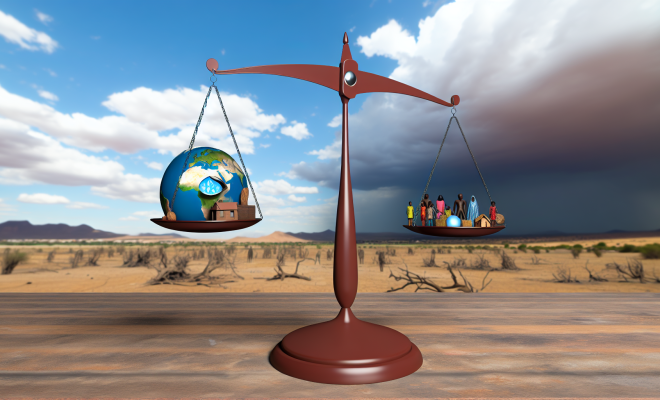
Africa is among the regions most vulnerable to the impacts of climate change. Rising temperatures, shifting rainfall patterns, and an increase in extreme weather events are exacerbating existing socio-economic challenges. According to the United Nations, tens of millions of people in Africa are already displaced due to climate-related factors such as droughts, floods, and food insecurity. This displacement not only threatens the livelihoods of individuals and communities but also raises significant human rights concerns.
The Role of the African Court on Human and Peoples’ Rights
The African Court on Human and Peoples’ Rights plays a crucial role in upholding human rights across the continent. By interpreting the African Charter on Human and Peoples’ Rights, the court can provide clarity on the obligations of states regarding climate-induced displacement. The court’s advisory opinion could set a crucial precedent, ensuring that the rights of vulnerable populations are not overlooked in the face of climate change.
Key Arguments Presented by Human Rights Watch
- Strengthening Protections: HRW’s submission advocates for enhanced legal protections for individuals displaced by climate change. It calls on the court to recognize that displacement caused by environmental factors is a human rights issue that requires urgent attention.
- Rights-Respecting Approaches: The briefing emphasizes the importance of a rights-respecting approach in addressing the climate crisis. This means considering the rights of those affected by climate change in policy responses and ensuring their voices are heard in decision-making processes.
- State Accountability: HRW argues that African states must be held accountable for failing to take adequate measures to protect their citizens from the impacts of climate change. This includes providing support to those displaced and ensuring access to necessary resources and services.
Implications of the Advisory Opinion
The advisory opinion sought by the Pan African Lawyers Union and the African Climate Platform has the potential to reshape how African states respond to climate change. By clarifying the legal obligations of states under the African Charter, the court could mandate that governments implement policies that not only mitigate climate change but also protect the rights of those affected.
If the court recognizes the link between climate change and human rights, it could pave the way for stronger legal frameworks that specifically address the needs of climate-displaced individuals. Such a ruling would not only be a significant step for environmental justice in Africa but could also influence international discussions on climate and human rights.
Challenges Ahead
Despite the potential for positive change, several challenges remain in addressing climate displacement in Africa. The continent faces numerous systemic issues, including political instability, economic challenges, and inadequate infrastructure, which often hinder effective climate action. Additionally, there is a lack of comprehensive data on climate displacement, making it difficult to understand the full scope of the issue.
Furthermore, the legal recognition of climate-displaced individuals as a distinct category may face resistance from some governments that are reluctant to accept additional responsibilities. Nonetheless, the advocacy efforts led by organizations like HRW and the Pan African Lawyers Union are crucial in pushing for accountability and action.
The Path Forward
As the African Court prepares to consider the petition, the spotlight remains on the urgent need for a coordinated response to the climate crisis that respects human rights. Stakeholders, including governments, civil society, and international organizations, must collaborate to ensure that the voices of those most affected by climate change are prioritized in policy-making.
The outcome of the court’s advisory opinion could serve as a powerful tool for advocacy, empowering affected communities and influencing legal frameworks across Africa. By recognizing the interconnectedness of climate change and human rights, the court can help forge a path towards a more sustainable and equitable future for all Africans.
In conclusion, the African Court on Human and Peoples’ Rights stands at a critical juncture. The decisions made in the coming months will not only impact the legal landscape regarding climate displacement but also the lives of millions of people facing the uncertain future of a changing climate. It is imperative that the court takes this opportunity to affirm the rights of individuals displaced by climate change, ensuring that their voices are heard and their rights protected.