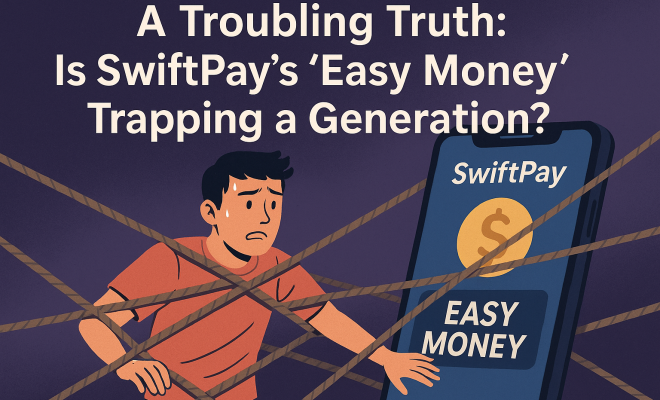
A Troubling Truth: Is SwiftPay’s ‘Easy Money’ Trapping a Generation?
In an era where instant gratification often reigns supreme, a new breed of financial products has emerged, promising quick solutions to everyday spending needs. Among them, micro-loans offered by ‘buy now, pay later’ (BNPL) platforms have carved out a significant niche, particularly among younger demographics. But what happens when convenience veers into questionable territory, especially for a generation still finding its financial footing? That’s precisely the storm brewing around SwiftPay, a relatively new player whose micro-loans are currently under intense scrutiny for their impact on Gen Z consumers. This isn’t just about a company facing a few complaints; it’s a rapidly escalating controversy that’s captured public outrage, sparked calls for boycotts, and even caught the attention of federal regulators.
The promise of BNPL is simple: split your purchase into smaller, manageable payments, often interest-free if paid on time. Sounds great, right? For many, it’s a convenient budgeting tool. However, SwiftPay’s approach, particularly with its micro-loans targeting purchases as low as $20, has raised some serious red flags. Consumer advocacy groups are sounding the alarm, citing a disturbing 30% surge in youth debt inquiries that they directly link to such platforms. We’re talking about young adults, often fresh out of high school or navigating college, who might be making their first significant financial decisions. Understanding the nuances of a SwiftPay micro-loans review for Gen Z isn’t just academic; it’s about protecting a vulnerable demographic from potentially predatory practices that could have long-term consequences for their financial health.
The Allure of Instant Gratification for Gen Z
Gen Z, broadly defined as those born between the mid-1990s and early 2010s, grew up in a world of instant access. From streaming entertainment to same-day delivery, their lives are characterized by speed and convenience. This digital native generation is also highly connected, influenced by social media trends, and often feels pressure to keep up with peers. This environment creates fertile ground for BNPL services like SwiftPay. Imagine seeing a trendy new item online for $50. Instead of waiting until payday or dipping into savings, SwiftPay offers to break it down into four payments of $12.50. Suddenly, that item feels much more attainable, even if the user doesn’t have the full $50 in their account right now.
This psychological appeal is powerful. It bypasses the traditional barriers of credit checks that might be difficult for young people with no credit history, and it feels less intimidating than a credit card. For many Gen Z individuals, who might be earning their first paychecks, managing modest budgets, or simply navigating the complexities of independent living, these micro-loans offer a sense of control and immediate gratification without the perceived hassle of traditional credit. However, this ease can be a double-edged sword, masking the true costs and potential for accumulating debt that a comprehensive SwiftPay micro-loans review for Gen Z reveals.
Unpacking SwiftPay’s Micro-Loan Mechanics: What You See (and Don’t See)
At its core, SwiftPay operates on a model similar to other BNPL services, but with a focus on smaller transaction values. Users can apply for a micro-loan at the point of purchase, whether online or in some retail settings. The system is designed to be quick and seamless, often requiring minimal information to get approved for small amounts. This low barrier to entry is a key part of its appeal, particularly for those who might be denied traditional credit.
However, the simplicity often ends there. The primary concern, according to consumer advocacy groups, lies in the ‘hidden fees’ and ‘confusing repayment structures’ that are reportedly embedded within SwiftPay’s terms and conditions. While the initial promise might be ‘interest-free,’ late payment fees, processing fees, or fees for rescheduling payments can quickly accumulate. For a $20 purchase, a $5 late fee might seem small in isolation, but that’s a 25% penalty on the principal amount, far exceeding typical credit card interest rates. These fees can turn what seemed like a trivial loan into a disproportionately expensive obligation, catching financially inexperienced young people off guard.
The Gen Z Debt Surge: A Troubling Trend
The statistics are stark and paint a concerning picture. Consumer advocacy groups have reported a 30% surge in youth debt inquiries recently, a number they directly attribute to the proliferation and aggressive marketing of BNPL services like SwiftPay. This isn’t just about general financial struggle; it’s about a specific demographic experiencing a significant uptick in financial distress, often related to these seemingly innocuous micro-loans. Many young people are finding themselves in a cycle where they use one BNPL service to pay off another, or they simply lose track of multiple small payments across various platforms, leading to missed deadlines and a cascade of fees.
This debt isn’t just financial; it has emotional and psychological ramifications. The stress of managing unexpected debt can impact academic performance, mental health, and overall well-being. For a generation already facing economic uncertainties, from student loan debt to rising housing costs, adding more short-term, high-cost debt through micro-loans can significantly derail their financial future before it even properly begins. This context is crucial for any honest SwiftPay micro-loans review for Gen Z. (See: economic impact on youth financial decisions.)
Regulatory Spotlight: Senator Emily Rodriguez Steps In
The growing public outcry and the alarming statistics haven’t gone unnoticed by policymakers. Senator Emily Rodriguez has emerged as a prominent voice in this debate, announcing a formal probe into SwiftPay’s practices. This isn’t merely a political gesture; it signals a serious concern at the federal level regarding consumer protection and the potential for predatory lending within the fintech sector. Senator Rodriguez’s investigation will likely delve into several key areas:
- Transparency of Fees: Are all fees clearly disclosed upfront, and are they easily understood by the average consumer, especially young adults?
- Marketing Practices: Is SwiftPay’s marketing overly aggressive or misleading, particularly in how it targets Gen Z?
- Repayment Structures: Are the repayment terms fair and clear, or are they designed to be confusing, leading to missed payments and subsequent fees?
- Impact on Credit Scores: How do these micro-loans and any associated defaults affect a young person’s credit history, if at all?
This regulatory intervention is a critical development. It underscores the severity of the situation and the potential for systemic issues within the unregulated corners of the BNPL industry. The outcome of this probe could set precedents for how similar fintech companies operate, potentially leading to stricter guidelines and greater accountability, which would be a welcome change for advocates of financial literacy and consumer protection. For more context, see public service loan forgiveness failures.
The Viral Outrage: Social Media’s Role in Accountability
In today’s interconnected world, public sentiment can shift rapidly, and social media platforms are often the epicenter of such shifts. The SwiftPay controversy is a prime example of this phenomenon. Widespread outrage over the perceived financial exploitation of young, often financially inexperienced consumers has gone viral. Hashtags calling for boycotts and stricter fintech regulations are trending, with countless users sharing their own negative experiences or expressing solidarity with those affected.
This collective voice is incredibly powerful. It puts immense pressure on companies like SwiftPay to address concerns, and it forces regulators to take action. Unlike traditional media cycles, social media allows for real-time discussions, personal testimonials, and rapid dissemination of information. For SwiftPay, this viral backlash presents a significant reputational crisis that could impact its user base and its ability to attract new investors. It also serves as a potent reminder that in the digital age, transparency and ethical practices are not just good business; they’re essential for survival.
Beyond SwiftPay: The Broader BNPL Landscape and Its Risks
While SwiftPay is currently in the hot seat, it’s important to recognize that the issues it faces are not entirely unique to its platform. The broader ‘buy now, pay later’ landscape, while offering genuine convenience for many, also harbors inherent risks, particularly when not fully understood. Many BNPL services operate outside the traditional credit regulations that govern credit cards and personal loans, meaning they might not be subject to the same disclosure requirements or consumer protections. This regulatory gray area is precisely what concerns Senator Rodriguez and consumer advocates.
The ease of approval and the often-minimal upfront checks can lead to consumers, especially young ones, taking on multiple BNPL agreements simultaneously. This ‘debt stacking’ can quickly become overwhelming, making it difficult to track payments and avoid late fees. Furthermore, while some BNPL services report to credit bureaus, others do not, meaning that successful repayment might not help build a credit history, but missed payments could still be sent to collections, negatively impacting a consumer’s financial standing. It’s a complex ecosystem, and a truly balanced SwiftPay micro-loans review for Gen Z needs to acknowledge these broader industry challenges.
Empowering Gen Z: Financial Literacy as a Shield
The SwiftPay controversy underscores a critical need: improved financial literacy for young adults. While regulations can provide a safety net, an educated consumer is the best defense against predatory practices. Equipping Gen Z with the knowledge and skills to navigate complex financial products is paramount. This includes:
- Understanding APR and Fees: Knowing how to calculate the true cost of borrowing, even for ‘interest-free’ loans that carry late fees.
- Budgeting and Tracking: Developing habits to manage income, expenses, and multiple payment schedules.
- Credit Building: Understanding how credit scores work and the long-term implications of responsible vs. irresponsible borrowing.
- Reading the Fine Print: Developing the discipline to scrutinize terms and conditions before agreeing to any financial product.
- Alternatives to BNPL: Exploring options like saving up, using a debit card, or exploring responsible credit-building products.
Schools, parents, and financial institutions all have a role to play in fostering this literacy. Imagine if every young person entering the workforce understood the potential pitfalls of micro-loans as intuitively as they understand social media trends. The landscape would look very different, and companies like SwiftPay would find it much harder to operate in the shadows of unclear terms.
Actionable Advice for Gen Z Consumers Considering BNPL
If you’re a Gen Z consumer and you’re considering using a BNPL service, whether it’s SwiftPay or another platform, here’s some concrete advice to protect yourself: (See: buy now pay later financial trends.)
- Read EVERYTHING: Seriously, every single line of the terms and conditions. Don’t skim. Understand the late fees, rescheduling fees, and any other penalties.
- Do the Math: Calculate the total cost of the item if you miss a payment. Is that $20 purchase still worth $25 or $30 if you slip up?
- Assess Your Budget: Can you genuinely afford the repayments without stretching your budget thin? If you have multiple BNPL agreements, can you track them all?
- Prioritize Needs vs. Wants: Ask yourself if the purchase is truly necessary or if it can wait until you have the funds saved up.
- Set Reminders: Use calendar alerts, app notifications, or whatever works for you to ensure you never miss a payment deadline.
- Beware of Debt Stacking: Avoid taking out multiple BNPL loans across different platforms, as this can quickly become unmanageable.
- Explore Alternatives: For larger purchases, consider a low-interest credit card if you can manage it responsibly and build credit. For smaller items, simply saving up is often the best approach.
- Consult Resources: If you’re unsure, seek advice from a trusted financial mentor, a non-profit credit counseling agency, or reputable financial education websites.
Your financial future is too important to leave to chance or to the confusing fine print of a quick-approval app. A critical SwiftPay micro-loans review for Gen Z reveals that while convenience is appealing, understanding the full picture is essential.
The Future of Fintech Regulation and Consumer Protection
The SwiftPay controversy is likely a harbinger of more significant changes to come in the fintech space. As BNPL services continue to grow in popularity, especially among younger demographics, the calls for more robust regulation will only intensify. We can anticipate several potential outcomes: For more context, see data privacy concerns with financial products.
- Increased Transparency Requirements: Regulators may mandate clearer, standardized disclosures of all fees, interest rates, and repayment terms, making it harder for companies to embed hidden costs.
- Credit Reporting Standards: There might be a push for all BNPL providers to report payment activity to credit bureaus, ensuring that both positive and negative behaviors are reflected in a consumer’s credit history. This could help responsible users build credit but also hold irresponsible users more accountable.
- Affordability Checks: Regulators might require BNPL companies to conduct more thorough affordability assessments to ensure consumers aren’t taking on debt they can’t realistically repay.
- Age Restrictions and Financial Literacy Mandates: There could be discussions about stricter age verification or even mandatory financial literacy modules for young users before they can access certain financial products.
The goal isn’t to stifle innovation, but to ensure that financial innovation serves consumers responsibly, rather than exploiting vulnerabilities. The scrutiny facing SwiftPay is a crucial step toward creating a more equitable and transparent financial ecosystem for everyone, particularly for the next generation of consumers.
Expert Perspectives on BNPL and Youth Debt
Financial experts and economists often weigh in on the long-term implications of these emerging financial trends. Dr. Anya Sharma, a consumer finance professor, notes that “the seemingly small, interest-free installments can create a false sense of security for young people. They often don’t factor in the opportunity cost of these purchases or the cascading effect of multiple small debts.” She emphasizes that while the immediate gratification is tempting, the cumulative impact on a nascent financial profile can be detrimental, potentially hindering future access to traditional loans for education or housing. Similarly, consumer protection lawyer, Mark Chen, highlights the “regulatory arbitrage” that BNPL services often exploit, operating in a space where consumer protections aren’t as stringent as those for credit cards. This allows for less transparency and higher potential for fees to catch users off guard. These expert views reinforce the idea that the current BNPL model, especially for micro-loans, needs a reevaluation to truly protect consumers, particularly those new to financial decision-making.
Case Studies: Real-World Impacts on Gen Z
To truly grasp the impact, looking at individual stories can be illuminating. Take Sarah, a 19-year-old college student who used SwiftPay for a $45 concert ticket. She missed a payment because she forgot about it amidst her schoolwork, incurring a $10 late fee. Another payment was due before her next paycheck, so she used another BNPL service to cover the SwiftPay installment, creating a cycle. She now has three different BNPL accounts with small outstanding balances and has paid more in fees than the original value of the concert ticket. Then there’s Michael, 21, who saw an influencer promote a trendy clothing item. He bought it using SwiftPay’s micro-loan for $60. He loves the convenience but admits, “It’s easy to just click ‘pay later’ without thinking about if I actually have the money next week.” He’s found himself cutting back on groceries to make a payment, highlighting the real-world sacrifices young people make when these seemingly small debts accumulate. These aren’t isolated incidents; they’re common scenarios that paint a clearer picture of the challenges many Gen Z individuals face when navigating these platforms.
Comparison with Traditional Credit Products
It’s helpful to compare SwiftPay’s micro-loans with traditional credit products like credit cards. A typical credit card for someone with no credit history might have an APR of 20-25%. If you make a $20 purchase and pay it off in four weeks, your interest might be negligible, perhaps a few cents. However, if you miss a payment on that credit card, the late fee might be $25 or more. The key difference lies in the upfront interest-free promise of BNPL versus the transparent APR of a credit card. While credit cards have high late fees, they are often regulated to clearly disclose these, and the interest accrues over time, not as an immediate penalty percentage on a small principal like with many BNPL late fees. Also, responsible credit card use builds a credit history, which is crucial for larger life purchases like a car or home. Many BNPL services, including SwiftPay, don’t report positive payment history to credit bureaus, meaning you might not get the benefit of building credit, but a missed payment or default could still negatively impact your financial standing if it goes to collections. This asymmetrical reporting is a significant point of contention for consumer advocates. So, while credit cards have their own risks, their regulatory framework and credit-building potential offer different trade-offs compared to the often less transparent BNPL micro-loan model.
Frequently Asked Questions About SwiftPay Micro-Loans for Gen Z
What exactly is a SwiftPay micro-loan?
A SwiftPay micro-loan is a small loan, often for purchases under $100, that allows you to split the cost into several smaller, interest-free payments. The idea is to make items more affordable immediately, but watch out for fees if you miss payments.
Why are consumer groups concerned about SwiftPay and Gen Z?
Consumer groups are worried because SwiftPay’s easy approval process and focus on small purchases appeal to Gen Z, many of whom are new to managing finances. The concern is that hidden fees, confusing terms, and the ease of taking on multiple micro-loans can quickly lead to debt, missed payments, and financial stress for this vulnerable demographic. (See: understanding buy now pay later products.)
Do SwiftPay micro-loans affect my credit score?
This is a tricky area. Many BNPL services, including SwiftPay, don’t report positive payment history to major credit bureaus. This means making payments on time won’t necessarily help you build a good credit score. However, if you default on a loan and it goes to collections, that negative mark can absolutely hurt your credit score, making it harder to get traditional loans or credit in the future.
What are the common fees associated with SwiftPay micro-loans?
While SwiftPay advertises “interest-free” payments, common fees can include late payment fees (which can be a significant percentage of the micro-loan amount), fees for rescheduling payments, or processing fees. Always read the terms and conditions carefully to understand all potential costs.
Are there alternatives to using SwiftPay or other BNPL services?
Absolutely. For small purchases, the best alternative is often to save up and pay with a debit card or cash. For larger items, a responsible low-interest credit card, if managed well, can help build credit. You could also explore secured credit cards or small personal loans from traditional banks, which often have clearer terms and regulatory oversight.
What should I do if I’m struggling to pay off SwiftPay micro-loans?
If you’re having trouble, don’t ignore it. First, contact SwiftPay directly to see if you can work out a payment plan or reschedule. Next, review your budget to see where you can cut expenses. Consider reaching out to a non-profit credit counseling agency for free or low-cost advice. They can help you understand your options and create a plan to get back on track.
The SwiftPay micro-loans review for Gen Z isn’t just a story about one company; it’s a symptom of a broader challenge at the intersection of instant technology and financial well-being. While the allure of ‘buy now, pay later’ is undeniable, especially for those seeking quick solutions, the current controversy serves as a potent reminder that not all convenience comes without a cost. For Gen Z, understanding these costs and advocating for stronger consumer protections will be vital in safeguarding their financial futures. The ongoing probe by Senator Rodriguez and the widespread public outrage are clear signals that the era of unregulated, ‘easy money’ micro-loans may soon be a thing of the past, replaced by an industry held to higher standards of transparency and accountability.
Trending Now
- our breakdown of bombshell: your ‘natural’ weight loss pills are hiding this deadly secret
- our breakdown of critical: your smart home is a goldmine for data thieves – and you’re helping them
- this guide on revealed: the $8 billion secret behind controversial flock traffic cameras
- this guide on this one thing is killing playstation plus in september 2026
- our breakdown of this crucial ai debate just got an unprecedented endorsement
Frequently Asked Questions
What are the risks of using SwiftPay's micro-loans?
SwiftPay's micro-loans, while convenient, pose risks such as encouraging overspending and contributing to rising debt levels among young consumers. Advocacy groups have noted a 30% increase in youth debt inquiries linked to these platforms, signaling potential long-term financial consequences for Gen Z.
How does SwiftPay's buy now, pay later model work?
SwiftPay allows users to split purchases into smaller, manageable payments, often interest-free if paid on time. This model is designed for convenience, but it can lead to financial strain if consumers fail to manage their payments effectively.
Is SwiftPay targeting young adults with its loans?
Yes, SwiftPay specifically targets younger demographics, particularly Gen Z, with micro-loans for small purchases. This has raised concerns about their financial literacy and the potential for falling into a cycle of debt as they navigate their first significant financial decisions.
What has been the public response to SwiftPay's practices?
The public response to SwiftPay has been increasingly negative, with growing outrage over its lending practices. This has led to calls for boycotts and scrutiny from federal regulators, as consumer advocacy groups raise alarms about the platform's impact on young people's financial health.
Why are consumer advocacy groups concerned about BNPL platforms?
Consumer advocacy groups are concerned that BNPL platforms like SwiftPay contribute to a rise in youth debt and promote irresponsible financial behavior. They argue that these services can trap young consumers in a cycle of debt, especially if they lack the financial knowledge to manage repayments.
Agree or disagree? Drop a comment and tell us what you think.