The Tech Edvocate

Top Menu

  • Advertisement
  • Apps
  • Home Page
  • Home Page Five (No Sidebar)
  • Home Page Four
  • Home Page Three
  • Home Page Two
  • Home Tech2
  • Icons [No Sidebar]
  • Left Sidbear Page
  • Lynch Educational Consulting
  • My Account
  • My Speaking Page
  • Newsletter Sign Up Confirmation
  • Newsletter Unsubscription
  • Our Brands
  • Page Example
  • Privacy Policy
  • Protected Content
  • Register
  • Request a Product Review
  • Shop
  • Shortcodes Examples
  • Signup
  • Start Here
    • Governance
    • Careers
    • Contact Us
  • Terms and Conditions
  • The Edvocate
  • The Tech Edvocate Product Guide
  • Topics
  • Write For Us
  • Advertise

Main Menu

  • Start Here
    • Our Brands
    • Governance
      • Lynch Educational Consulting, LLC.
      • Dr. Lynch’s Personal Website
      • Careers
    • Write For Us
    • The Tech Edvocate Product Guide
    • Contact Us
    • Books
    • Edupedia
    • Post a Job
    • The Edvocate Podcast
    • Terms and Conditions
    • Privacy Policy
  • Topics
    • Assistive Technology
    • Child Development Tech
    • Early Childhood & K-12 EdTech
    • EdTech Futures
    • EdTech News
    • EdTech Policy & Reform
    • EdTech Startups & Businesses
    • Higher Education EdTech
    • Online Learning & eLearning
    • Parent & Family Tech
    • Personalized Learning
    • Product Reviews
  • Advertise
  • Tech Edvocate Awards
  • The Edvocate
  • Pedagogue
  • School Ratings

logo

The Tech Edvocate

  • Start Here
    • Our Brands
    • Governance
      • Lynch Educational Consulting, LLC.
      • Dr. Lynch’s Personal Website
        • My Speaking Page
      • Careers
    • Write For Us
    • The Tech Edvocate Product Guide
    • Contact Us
    • Books
    • Edupedia
    • Post a Job
    • The Edvocate Podcast
    • Terms and Conditions
    • Privacy Policy
  • Topics
    • Assistive Technology
    • Child Development Tech
    • Early Childhood & K-12 EdTech
    • EdTech Futures
    • EdTech News
    • EdTech Policy & Reform
    • EdTech Startups & Businesses
    • Higher Education EdTech
    • Online Learning & eLearning
    • Parent & Family Tech
    • Personalized Learning
    • Product Reviews
  • Advertise
  • Tech Edvocate Awards
  • The Edvocate
  • Pedagogue
  • School Ratings
  • Can Kayak book directly

  • How to list hotel on Booking.com

  • How to optimize Airbnb listing

  • How to get more bookings on Booking.com

  • How accurate is Kayak price forecast

  • How does Hopper app work

  • Travelocity vs Hotels.com comparison

  • Is Kayak a booking site or search engine

  • Can Google Flights find error fares

  • How to bundle flights and hotels Travelocity

Digital & Mobile Technology
Home›Digital & Mobile Technology›What is a Remote Access Server (RAS)?

What is a Remote Access Server (RAS)?
By Matthew Lynch
April 23, 2023
0
Spread the love

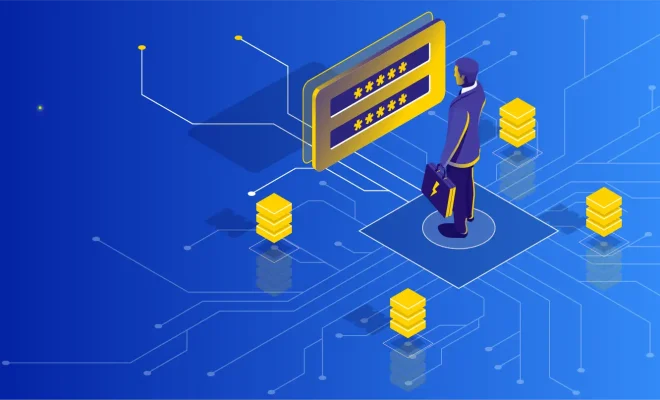
A Remote Access Server (RAS) is a server that enables remote users to connect to a corporate network or the internet through a secure connection. The server is typically linked with a remote access service that facilitates the connection between the remote user and the company’s network.

Remote access servers are used by organizations to enable their employees, contractors, partners, or customers to access their network resources from remote locations. They are also used by individuals to connect their personal computers to the internet through a third-party service provider.

Features and capabilities of RAS

RAS provides several features and capabilities that make remote connectivity secure and easy. These features include:

1. Authentication and authorization: RAS uses user authentication and authorization protocols to ensure that only authorized users can access the network.

2. Encryption: RAS encrypts the data transmitted between the remote user and the network to ensure data privacy and security.

3. Access Control: RAS provides access control rules to restrict remote users’ access to specific network resources based on their roles and responsibilities.

4. Session management: RAS manages the remote session by controlling the duration, idle timeout, and maximum number of users that can connect to the network simultaneously.

5. Logging and auditing: RAS records all the remote user activity on the network and provides audit trails to track user behavior and ensure compliance with company policies and regulations.

Types of RAS

There are two types of RAS: standalone and integrated

Standalone RAS is a dedicated server that provides remote access services to the company’s network only. It is typically installed and managed by the company’s IT team.

Integrated RAS, on the other hand, is built into a network device or router and provides remote access services as part of the device’s overall functionality. It is ideal for small businesses or home use as it’s less complex and requires fewer resources to operate.

Conclusion

Remote Access Servers are critical in today’s modern world as they enable remote connectivity for businesses and individuals. They provide a secure way for users to access the company’s network and resources from remote locations, without compromising the network’s security. Whether standalone or integrated, choosing the right RAS is crucial for companies that prioritize secure remote access.


Previous Article

What is a Relationship?

Next Article

What is a Remote Control (RC)?

Matthew Lynch

Related articles More from author

  • Digital & Mobile Technology

    What is Imaging Software?

    May 22, 2023
    By Matthew Lynch
  • Digital & Mobile Technology

    Top Sites for Computer Troubleshooting and Tech Support

    June 12, 2023
    By Matthew Lynch
  • Digital & Mobile Technology

    What Size Alternator Do You Need for a Car Audio System?

    September 7, 2023
    By Matthew Lynch
  • Digital & Mobile Technology

    How to Set Up and Customize the Screen Saver on Your Mac

    June 23, 2023
    By Matthew Lynch
  • Digital & Mobile Technology

    What Is Fragmentation & Defragmentation?

    June 4, 2023
    By Matthew Lynch
  • Digital & Mobile Technology

    Creative iPhone Home Screen Layouts to Organize Your Apps

    August 5, 2023
    By Matthew Lynch

Search

Login & Registration

  • Log in
  • Entries feed
  • Comments feed
  • WordPress.org

Newsletter

Signup for The Tech Edvocate Newsletter and have the latest in EdTech news and opinion delivered to your email address!

About Us

Since technology is not going anywhere and does more good than harm, adapting is the best course of action. That is where The Tech Edvocate comes in. We plan to cover the PreK-12 and Higher Education EdTech sectors and provide our readers with the latest news and opinion on the subject. From time to time, I will invite other voices to weigh in on important issues in EdTech. We hope to provide a well-rounded, multi-faceted look at the past, present, the future of EdTech in the US and internationally.

We started this journey back in June 2016, and we plan to continue it for many more years to come. I hope that you will join us in this discussion of the past, present and future of EdTech and lend your own insight to the issues that are discussed.

Newsletter

Signup for The Tech Edvocate Newsletter and have the latest in EdTech news and opinion delivered to your email address!

Contact Us

The Tech Edvocate
910 Goddin Street
Richmond, VA 23231
(601) 630-5238
[email protected]

Copyright © 2026 Matthew Lynch. All rights reserved.