Understanding the 4 Child Attachment Styles: Secure to Disorganized
“`html
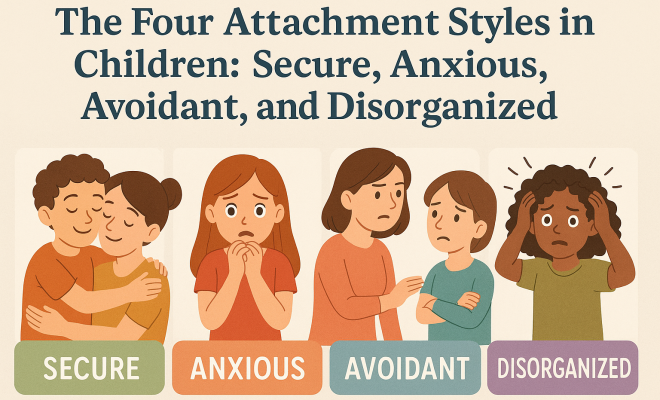
Attachment theory is a fundamental psychological concept that sheds light on the emotional bonds between children and their caregivers. Understanding the different attachment styles in children can help parents and educators foster healthier relationships and emotional development. This article explores the four primary attachment styles: secure, anxious, avoidant, and disorganized, detailing their characteristics, implications, and actionable insights for better nurturing.
What is Attachment Theory?
Attachment theory was first developed by psychologist John Bowlby in the mid-20th century. His research emphasized the importance of the relationship between a child and their primary caregiver, typically the mother. Bowlby proposed that these early interactions significantly influence a child’s emotional and social development. Mary Ainsworth later expanded on Bowlby’s work with her Strange Situation experiment, which categorized children based on their reactions to separations and reunions with their caregivers, thereby laying the groundwork for the four attachment styles.
The Importance of Attachment Styles in Children
Understanding attachment styles is crucial for several reasons:
- Emotional Development: Children with secure attachments tend to develop emotional resilience, while those with insecure attachments may struggle with anxiety and relationships later in life.
- Behavioral Patterns: Attachment styles can predict a child’s behavior in social settings, influence their peer relationships, and affect how they cope with stress.
- Intervention Strategies: Identifying a child’s attachment style can inform appropriate interventions, helping caregivers tailor their approach to meet the child’s needs.
Secure Attachment Style
Secure attachment is characterized by a child’s trust in their caregiver’s availability and responsiveness. Children who develop a secure attachment feel safe exploring their environment, knowing they can return to their caregiver for comfort and support.
Research shows that about 60-70% of children develop a secure attachment style. These children often display the following behaviors:
- They feel comfortable with intimacy and are able to express their emotions.
- They seek comfort from caregivers in times of distress but are also independent.
- They show resilience in the face of challenges, displaying positive social behaviors and effective coping mechanisms.
Securely attached children tend to have better relationships with peers and adults, making them more likely to form positive, lasting connections throughout their lives. As they grow, these children often exhibit healthy emotional regulation, empathy, and self-esteem.
Anxious Attachment Style
Anxious attachment, sometimes referred to as ambivalent attachment, arises when a caregiver is inconsistent in their responses to a child’s needs. Children with this attachment style often feel insecure about their caregiver’s availability, leading to heightened anxiety and clinginess.
Key characteristics of anxious attachment include:
- Children may become overly dependent on their caregivers for reassurance and comfort.
- They often exhibit heightened emotional sensitivity and may react strongly to separation or perceived neglect.
- These children might struggle with self-esteem and may have difficulty trusting others as they grow older.
Research indicates that approximately 15-20% of children display anxious attachment styles. It’s crucial for caregivers to recognize this pattern and provide consistent affection and reassurance, which can help mitigate these anxieties and foster a healthier attachment.
Avoidant Attachment Style
Avoidant attachment emerges when caregivers are emotionally unavailable or dismissive of a child’s needs. Children affected by this style learn to suppress their emotions and distance themselves from their caregivers to avoid rejection. (See: Attachment theory overview on Wikipedia.)
Common traits of avoidantly attached children include:
- A tendency to downplay the importance of relationships, often appearing indifferent to their caregivers.
- Difficulty in expressing emotions or seeking help, which can lead to isolation.
- Self-sufficiency and a reluctance to rely on others, even in times of distress.
Roughly 20-25% of children may exhibit avoidant attachment behaviors. This pattern can lead to challenges in forming relationships and maintaining emotional connections as they grow, often resulting in difficulties in adulthood.
Disorganized Attachment Style
The disorganized attachment style is often the most complex and troubling. It typically occurs in children who have experienced trauma, abuse, or severe neglect. Caregivers of children with disorganized attachment may themselves exhibit fear or unpredictable behavior towards the child, creating a confusing environment.
Children with this attachment style may show a mix of avoidant and anxious behaviors, and they often appear dazed, confused, or apprehensive during interactions with their caregivers. The characteristics include:
- Inconsistent behavior, such as approaching a caregiver but then freezing or withdrawing.
- Difficulty in regulating emotions, which may manifest as intense anger or despair.
- Challenges in establishing a coherent sense of self and relationships, often leading to social difficulties.
Research suggests that disorganized attachment affects about 5-15% of children. Addressing the needs of these children typically requires professional intervention, including therapy aimed at creating a sense of safety and stability.
Recognizing Attachment Styles in Children
Recognizing attachment styles in children is crucial for parents and educators. While formal assessments exist, many signs can be observed in everyday interactions. Here are some practical ways to identify a child’s attachment style:
- Observation of Behavior: Pay attention to how a child reacts in stressful situations. Do they seek comfort or withdraw? Are they overly dependent or indifferent?
- Interactions with Peers: Notice how the child engages with others. Do they form close friendships, or do they struggle to connect?
- Emotional Regulation: Assess how they manage emotions. Are they able to express feelings or do they suppress them?
Understanding these behaviors can provide insight into a child’s attachment style and inform better parenting strategies.
How Attachment Styles Affect Future Relationships
The impact of attachment styles doesn’t vanish as children grow up. The patterns established in early childhood often carry over into adult relationships. Securely attached individuals tend to foster healthy, balanced relationships based on trust and communication. In contrast, those with insecure attachment styles may face challenges:
- Anxious individuals may become overly clingy in relationships, fearing abandonment and constantly seeking validation.
- Avoidant individuals might struggle with intimacy, often pushing partners away and valuing independence over emotional closeness.
- Disorganized individuals may encounter significant relationship difficulties, alternating between seeking connection and fearing it, which can lead to chaotic interpersonal dynamics.
Understanding these patterns can empower individuals to seek change, whether through personal reflection, therapy, or supportive relationships that model healthier attachment behaviors.
Promoting Secure Attachment in Children
Fostering a secure attachment style in children is a vital goal for parents and caregivers. Here are some actionable strategies for promoting secure attachment:
- Be Responsive: Respond promptly and sensitively to a child’s needs. This encourages trust and reinforces the child’s belief that they can rely on you.
- Communicate Openly: Encourage open communication about feelings and fears. Allowing children to express themselves helps them understand and regulate their emotions.
- Provide Consistency: Establish routines that create a predictable environment. Consistency helps children feel secure and understand what to expect from their caregivers.
- Model Healthy Relationships: Children learn by observing. Demonstrating healthy relationships with others will guide them in developing their own.
Implementing these strategies can create a nurturing environment that fosters secure attachments, setting the stage for healthy emotional development.
The Role of Parenting Styles in Attachment Development
It’s important to consider how different parenting styles influence attachment styles. Research indicates that parenting approaches can significantly impact a child’s emotional development and attachment. Here’s how various styles relate to attachment: (See: CDC on the importance of attachment.)
- Authoritative Parenting: This style is characterized by warmth and structure. Parents who are responsive yet set appropriate limits tend to foster secure attachments. Children raised this way typically grow up to be confident and socially adept.
- Authoritarian Parenting: This approach is strict and lacks warmth. Authoritarian parents usually emphasize obedience and discipline. Children raised in this environment may develop anxious or avoidant attachment styles due to fear of rejection or lack of emotional support.
- Permissive Parenting: Permissive parents are indulgent and may not set consistent boundaries. While they provide warmth, the absence of limits can lead children to develop anxious or disorganized attachment styles, as they may feel uncertain about expectations and stability.
- Neglectful Parenting: This style involves a lack of emotional involvement and responsiveness. Children raised in neglectful environments often develop disorganized attachments, as they face inconsistency and emotional unavailability from caregivers.
Long-Term Effects of Attachment Styles
The long-term effects of attachment styles can be profound, influencing not just personal relationships but also choices in life and career paths. Here are some key insights:
- Career Choices: Securely attached individuals often pursue collaborative and meaningful work, thriving in environments that value teamwork. In contrast, avoidant individuals may prefer solitary work, avoiding positions that require emotional engagement.
- Parenting Styles: Adults who experienced secure attachment in childhood are more likely to replicate those patterns in their own parenting. Conversely, individuals with insecure attachment styles may struggle with parenting, sometimes perpetuating cycles of anxiety or avoidance in their children.
- Mental Health: Research links insecure attachment styles to a higher risk of mental health issues such as anxiety, depression, and personality disorders. Secure attachment can serve as a protective factor, reducing vulnerability to these challenges.
Expert Perspectives on Attachment Styles
Experts in psychology and child development emphasize the importance of understanding attachment styles. Dr. Sue Johnson, a prominent psychologist and developer of Emotionally Focused Therapy, states that “the quality of attachment relationships is the foundation for emotional well-being.” She highlights the necessity of nurturing secure attachments to promote healthy emotional development.
Additionally, Dr. Dan Siegel, a clinical professor of psychiatry, notes how attachment styles can influence brain development. He suggests that secure attachments help build a child’s capacity for emotional regulation and resilience, essential skills for navigating the complexities of adult life.
Frequently Asked Questions
What age do attachment styles develop?
Attachment styles typically begin to form in infancy and solidify by early childhood. However, experiences throughout life, including relationships and therapy, can lead to changes in attachment styles.
Can attachment styles change over time?
Yes, attachment styles can evolve based on new experiences and relationships. Positive relationships, therapy, and developing emotional awareness can facilitate a shift from insecure to secure attachment styles.
How can schools support attachment development?
Schools can play a critical role by fostering nurturing environments and training staff to recognize and support children’s emotional needs. Programs that emphasize social-emotional learning can help cultivate secure attachments among peers and with educators.
What can caregivers do if they recognize an insecure attachment in a child?
Caregivers should first seek to provide consistent love and support, validating the child’s feelings. Professional guidance, such as counseling or therapy, can also be beneficial in addressing deeper issues and reinforcing healthier attachment behaviors.
The Impact of Culture on Attachment Styles
Attachment styles aren’t just shaped by individual parenting behaviors; cultural norms and values play a significant role as well. Different cultures have varying expectations for child-rearing practices, which can influence how attachment styles develop. For example, collectivist cultures may emphasize interdependence and family cohesion, possibly fostering secure attachments through a strong support system. In contrast, individualistic cultures might prioritize independence, which could lead to a higher prevalence of avoidant attachment styles.
Research indicates that in collectivist societies, children may benefit from an extended family network that provides additional support and socialization opportunities, promoting emotional security. Understanding these cultural differences is crucial for professionals working with diverse populations, as it helps them tailor their approaches to meet the unique needs of each child and family.
The Neuroscience of Attachment
Recent advancements in neuroscience have provided deeper insights into how attachment styles are formed and maintained. Brain imaging studies have shown that secure attachments are associated with increased activation in brain regions responsible for emotional regulation, empathy, and social functioning.
In contrast, individuals with insecure attachment styles often exhibit heightened activity in the amygdala, the brain’s fear center, leading to increased anxiety and emotional dysregulation. Understanding these neurological underpinnings can inform therapeutic practices and interventions, helping both children and adults develop healthier emotional responses and relationships.
Attachment Styles and Emotional Intelligence
Emotional intelligence (EI), the ability to understand and manage emotions in oneself and others, is closely tied to attachment styles. Children with secure attachments tend to develop higher emotional intelligence due to the supportive environments created by responsive caregivers. These children learn to identify their emotions, understand the emotions of others, and navigate social interactions effectively.
Conversely, children with insecure attachment styles often struggle with emotional regulation, which can hinder their social skills and ability to empathize with others. Adults with higher emotional intelligence typically foster better relationships and are more successful in both personal and professional settings. Therefore, promoting secure attachments can lead to the development of emotional intelligence, fostering healthier interactions and relationships throughout life.
Strategies for Addressing Insecure Attachment Styles
If you suspect that a child may be exhibiting signs of insecure attachment, there are several strategies you can employ to help support their emotional development:
- Establish Trust: Building trust is crucial. Make sure to follow through on promises and be reliable in your responses to the child’s needs.
- Encourage Independence: While it’s important to be available for support, help the child develop autonomy by encouraging them to explore and take risks in safe environments.
- Teach Emotion Regulation: Equip children with tools to manage their emotions, such as deep breathing or expressing feelings through art. This can help them gain control over anxiety and fear.
- Seek Professional Help: If attachment issues are severe, consider involving a child psychologist or therapist who specializes in attachment-based interventions. Professional support can provide children with strategies to form secure attachments.
The Role of Community in Attachment Development
The community also plays a pivotal role in a child’s attachment development. Supportive community networks can reinforce positive parenting practices and provide additional resources for families. Programs designed to engage parents and promote healthy relationships can enhance children’s emotional well-being.
For instance, community centers often offer parenting workshops, support groups, and social activities that can help parents connect with others facing similar challenges. These communal ties can provide a sense of belonging and support, which is vital for fostering secure attachments in children. When caregivers feel supported, they are better equipped to provide a nurturing environment for their children.
Conclusion
Understanding the attachment styles in children is essential for parents, educators, and caregivers. By recognizing the differences between secure, anxious, avoidant, and disorganized attachment styles, adults can better support children’s emotional and social development. Promoting secure attachments not only benefits individual children but also contributes to healthier families and communities. As we nurture our children’s emotional well-being, we lay the groundwork for their future relationships and overall mental health.
“`
Trending Now
Frequently Asked Questions
What are the four attachment styles in children?
The four attachment styles in children are secure, anxious, avoidant, and disorganized. Secure attachment leads to trust and emotional resilience, while anxious attachment often results in clinginess. Avoidant attachment can cause children to distance themselves emotionally, and disorganized attachment is characterized by a lack of clear attachment behavior, often stemming from inconsistent caregiving.
How does attachment theory impact child development?
Attachment theory impacts child development by influencing emotional and social growth. Securely attached children typically develop resilience and positive relationships, while those with insecure attachments may face challenges like anxiety and difficulty in forming healthy connections with peers.
What is secure attachment style in children?
Secure attachment style is marked by a child's confidence in their caregiver's reliability and responsiveness. Children with secure attachments feel safe exploring their surroundings and are more likely to develop healthy relationships and emotional skills as they grow.
What are the signs of anxious attachment in children?
Signs of anxious attachment in children include clinginess, excessive worry about separation from caregivers, and difficulty calming down after distress. These children often seek constant reassurance and may display heightened emotional responses to perceived threats to their attachment figures.
Why is understanding attachment styles important for parents?
Understanding attachment styles is crucial for parents as it helps them identify their child's emotional needs and behavioral patterns. This knowledge allows caregivers to tailor their parenting strategies, fostering healthier emotional development and improving the parent-child relationship.
Have you experienced this yourself? We'd love to hear your story in the comments.