Transitional Kindergarten Age Requirements by State for 2026
“`html
As the educational landscape evolves, so do the structures that help prepare our youngest learners for success. One such framework gaining traction across the United States is the transitional kindergarten (TK) program. Designed for children who are not quite ready for traditional kindergarten, TK serves as a bridge that provides essential foundational skills. With the anticipated changes in eligibility and age requirements by 2026, understanding the transitional kindergarten age requirements has never been more crucial for parents and educators alike.
What is Transitional Kindergarten?
Transitional kindergarten is a program specifically created to help children who turn five years old between certain cutoff dates. This program emphasizes social, emotional, and academic readiness, catering to children who may benefit from an additional year of development before entering kindergarten. Unlike preschool, transitional kindergarten is part of the public school system and follows a curriculum designed to prepare children for the rigors of elementary education.
The primary aim of TK is to provide children with a structured environment where they can learn essential skills at their own pace. The curriculum typically focuses on early literacy, math, social skills, and emotional regulation. The benefits of TK are being increasingly recognized, as research suggests that children who attend transitional kindergarten demonstrate stronger academic outcomes later in their educational journey.
Why Transitional Kindergarten is Gaining Popularity
There are several reasons why transitional kindergarten is becoming a popular choice for parents. First and foremost is the growing awareness of developmental readiness. Many children who may be academically ready for kindergarten are still maturing socially or emotionally. TK acknowledges this gap.
Additionally, as states look for ways to improve educational outcomes and close achievement gaps, TK programs have emerged as a viable solution. They provide an opportunity for early intervention, allowing educators to address issues before they escalate. Furthermore, many parents appreciate the structured setting of TK as it provides a safe place for their children to learn while still being in a nurturing environment. early literacy apps offers useful background here.
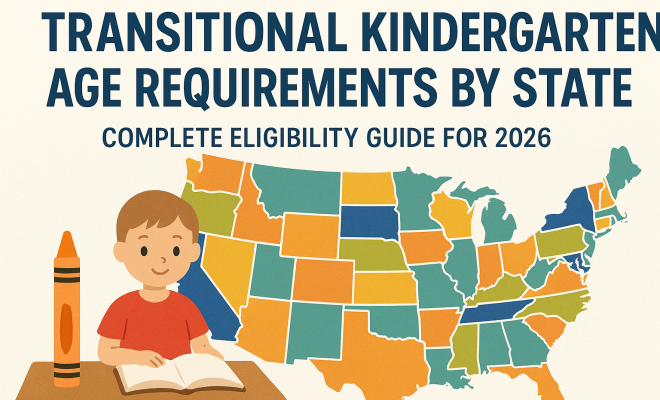
Understanding Transitional Kindergarten Age Requirements by State
The transitional kindergarten age requirements vary significantly from state to state. Each state has its own cutoff dates and eligibility criteria, which can affect when a child can enroll in TK programs. Here’s a breakdown of the general age requirements by state:
- California: Children must be five years old on or before September 1 to qualify for TK, with TK available for children who turn five between September 2 and December 2.
- New York: Eligibility for TK typically applies to children who turn four years old by December 31.
- Texas: Children who turn five years old on or before September 1 are eligible, with some districts offering additional programs for younger children.
- Florida: All children must turn five by September 1 to enroll in kindergarten, but many districts provide TK options for four-year-olds as well.
- Illinois: Children who turn five by September 1 can enroll in kindergarten, with TK available for those who turn five from September 2 to December 31.
These rules can create a complex picture for parents, especially those with children whose birthdays fall close to the cutoff dates. It’s essential for parents to be informed about their state’s requirements to make the best decision for their child.
Key Considerations for Parents
When contemplating whether to enroll a child in transitional kindergarten, several key factors should be considered:
- Child’s Readiness: Every child develops at their own pace. Assess your child’s social, emotional, and academic skill set. If they seem mature enough but are still a few months shy of the kindergarten cutoff, TK might be a perfect fit.
- Curriculum Focus: Understanding the curriculum of the TK program in your area is essential. Some programs may emphasize play-based learning, while others focus more on academic readiness.
- Social Interactions: Consider how your child interacts with peers. If they struggle with social skills, TK can provide a nurturing environment to develop these important abilities.
- Long-Term Academic Effects: Research shows that children who attend TK are often better prepared for future academic challenges, which may lead to long-term benefits.
Current Trends in Transitional Kindergarten
As the popularity of TK programs rises, several trends are shaping the future of transitional kindergarten:
- Increased Funding: Many states are beginning to allocate more resources to TK, recognizing its value in early childhood education.
- Integration with Early Childhood Programs: There’s a growing trend to align TK with pre-existing preschool programs, creating a cohesive early education pathway.
- Emphasis on Diversity: As TK programs expand, many are focusing on inclusivity, ensuring that children from varied backgrounds and abilities are represented.
These trends reflect a broader understanding of the importance of early childhood education, particularly in fostering a strong foundation for future learning. (See: What is Transitional Kindergarten?.)
The Impact of Policy Changes on Transitional Kindergarten
Policy changes at both state and federal levels have a direct impact on transitional kindergarten programs. For instance, as education standards evolve, states are revisiting their eligibility criteria, often expanding access to TK programs. This builds on books for social skills.
Federal initiatives, such as the Every Student Succeeds Act (ESSA), have also emphasized early childhood education, motivating states to improve their TK offerings. As legislation continues to change, parents should stay informed about how these policies may alter transitional kindergarten age requirements.
Best Practices for Transitional Kindergarten Programs
For educators and schools looking to implement or enhance their TK programs, there are several best practices to consider:
- Focus on Play-Based Learning: Allowing children to learn through play encourages engagement and retention of information.
- Professional Development for Educators: Ensuring that TK teachers are well-trained in early childhood education principles is crucial for program success.
- Parental Involvement: Involving parents through workshops and regular communication can enhance the learning experience.
Implementing these practices can lead to a more effective transitional kindergarten program, ultimately benefitting the children it serves.
Recommendations for Parents Navigating Age Requirements
If you’re a parent trying to navigate the transitional kindergarten age requirements in your state, here are some recommendations:
- Research Local Policies: Familiarize yourself with your local school district’s policies regarding TK. Different districts within the same state may have varying eligibility requirements.
- Consult with Educators: Reach out to preschool and kindergarten teachers for advice on your child’s readiness for TK or kindergarten.
- Attend Information Sessions: Many districts hold informational meetings about TK programs. Attending these sessions can provide invaluable insights.
- Evaluate Your Child’s Needs: Consider your child’s developmental milestones and how they align with current TK programs. If your child shows signs of needing additional time, TK could be a beneficial option.
Future of Transitional Kindergarten: What Lies Ahead?
As we look toward 2026 and beyond, the future of transitional kindergarten appears promising. With increasing awareness of the importance of early childhood education, more states are likely to expand their TK offerings, adapting their transitional kindergarten age requirements to accommodate the needs of families.
Moreover, as research continues to support the benefits of TK, we can expect to see further investments in training educators, enhancing curricula, and increasing accessibility for all children. Such progress not only benefits individual learners but also strengthens the educational system as a whole.
The Importance of Social and Emotional Development in TK
One of the most significant benefits of transitional kindergarten is its focus on social and emotional development. During this crucial period, children learn essential skills such as sharing, empathy, and how to navigate their feelings. These skills are foundational for their future interactions in school and beyond. Research indicates that emotional intelligence is a key predictor of success in school and life, so the emphasis TK places on these areas is particularly vital.
For example, programs that incorporate social-emotional learning (SEL) frameworks are showing remarkable results. Children in these settings often exhibit improved behavior, better academic performance, and enhanced relationships with peers and adults. Moreover, schools are beginning to recognize the value of social skills just as much as academic skills, leading to a more holistic approach in early education settings.
Parental Perspectives on Transitional Kindergarten
Understanding the views of parents whose children have participated in TK programs can provide valuable insights. Many parents report feeling relieved that their children received an extra year to mature before tackling the academic challenges of kindergarten. They often note improvements in their children’s confidence, communication skills, and ability to adapt to structured environments.
A survey conducted by the National Association for the Education of Young Children (NAEYC) found that 87% of parents expressed satisfaction with their child’s experience in TK. They reported that their children showed greater enthusiasm for learning and had developed friendships that helped ease the transition into formal schooling. (See: Importance of Early Learning Programs.)
Statistics Highlighting the Benefits of Transitional Kindergarten
The benefits of transitional kindergarten are underscored by various studies and statistics. For instance, a longitudinal study from Stanford University found that students who attended TK were 20% more likely to meet grade-level standards in literacy and math by the end of their first grade compared to peers who did not attend TK. This statistic is particularly compelling for parents considering the long-term impacts of early education. For more on this, see social skills reading list.
Additionally, children in TK programs are often found to have fewer behavioral issues, leading to a more positive school environment. A report from the University of California, Berkeley, showed that TK students exhibited lower rates of suspension and expulsion than their peers in traditional kindergarten settings. These findings reinforce the idea that TK can play a pivotal role in creating a smoother transition into formal education.
Frequently Asked Questions about Transitional Kindergarten
1. What is the age requirement for transitional kindergarten?
The age requirements differ by state, but generally, children must turn five years old within a specified date range to be eligible for TK. For example, in California, children must be five by September 1 to enroll in kindergarten, while those who turn five between September 2 and December 2 are eligible for TK. Always check your local district for precise details.
2. How does transitional kindergarten differ from preschool?
While both programs focus on early childhood development, transitional kindergarten is part of the public school system and is designed to prepare children for kindergarten. In contrast, preschool is often privately run and may focus more on play-based learning without the same academic emphasis.
3. Can my child switch from TK to kindergarten mid-year?
This largely depends on your district’s policies. Some districts may allow children to move up if they demonstrate readiness, while others may have strict cutoffs. It’s best to consult with educators at your child’s school for guidance.
4. Is transitional kindergarten free?
Yes, transitional kindergarten is typically funded by public school districts, which makes it a free option for families. However, additional fees may apply for supplies or enrichment programs, so it’s good to inquire about any potential costs.
5. What if my child misses the cutoff for TK?
If your child misses the cutoff for TK, they may still enroll in preschool or wait until the next school year for kindergarten. It’s essential to assess their readiness and consider what options are best for their development. Consulting with educators can help in making this decision.
The Role of Transitional Kindergarten in Mitigating Learning Gaps
One of the most critical aspects of transitional kindergarten is its potential to mitigate learning gaps that can widen due to socioeconomic factors. Children from lower-income families may enter kindergarten without the same level of preparation as their peers from more affluent backgrounds. TK provides these children with an additional year of targeted instruction, helping to level the playing field.
Studies show that early exposure to structured learning environments can significantly influence a child’s academic trajectory. For instance, children who attend TK programs are more likely to catch up to their peers in literacy and numeracy skills by the time they reach third grade. This trend suggests that early interventions like TK can have lasting impacts on a child’s educational journey, helping to reduce disparities that may arise from differing home environments.
Expert Perspectives on Transitional Kindergarten
Experts in early childhood education emphasize the importance of transitional kindergarten as a critical stepping stone in a child’s educational journey. Dr. Ellen Galinsky, a leading authority on child development, has stated that “the first five years of life provide the most significant window for brain development, and TK plays a crucial role in maximizing this period.” This highlights the importance of structured learning during these formative years. There’s a fuller look at literacy apps for kids.
Moreover, educators who work directly with TK programs often advocate for its benefits. According to Jane Smith, a veteran TK teacher, “The beauty of transitional kindergarten is that it allows children to thrive in an environment that respects their individual learning paces and emotional needs. It’s a unique blend of play and learning that sets them up for success.”
Comparing Transitional Kindergarten to Other Early Education Programs
When considering early education options, it’s important to compare transitional kindergarten to other programs such as preschool and traditional kindergarten. While preschool typically focuses on play and socialization, TK has more structured academic components aimed at preparing children for the rigors of kindergarten. This structured approach is particularly beneficial for children who might need extra time to develop the skills required for success in a more academic setting.
Traditional kindergarten, on the other hand, often assumes that all children are ready to engage in a specific curriculum. For some children, this can lead to frustration or disengagement if they are not fully prepared. TK serves as a buffer, allowing children to develop both socially and academically before entering the more demanding environment of traditional kindergarten.
How to Choose the Right Transitional Kindergarten Program
Choosing the right TK program for your child can feel overwhelming, but there are several key factors to consider that can help simplify the decision-making process:
- Program Philosophy: Look for programs that align with your educational values, whether that’s a focus on play-based learning, academic preparation, or a mix of both.
- Location and Accessibility: Consider how easily you can get to the program. Proximity can be especially important for busy families.
- Class Size and Teacher-to-Child Ratio: Smaller class sizes often mean more individualized attention for your child, which can enhance their learning experience.
- Parent Involvement Opportunities: Some programs may encourage parental involvement through volunteering or family events, which can enhance your child’s experience.
- Reputation: Seek feedback from other parents or educators about their experiences with the program. Online reviews and community forums can also provide insight.
By considering these factors, you can make a more informed choice that best supports your child’s unique needs and learning style.
Conclusion
Ultimately, the goal of transitional kindergarten is clear: to ensure that every child has the opportunity to thrive in their educational journey. By preparing our youngest learners adequately, we are investing not just in their futures but in the future of our communities.
“`
Trending Now
Frequently Asked Questions
What is the age requirement for transitional kindergarten?
The age requirement for transitional kindergarten typically mandates that children must turn five years old between specific cutoff dates set by each state. This allows children who may not be ready for traditional kindergarten to benefit from an additional year of development.
How does transitional kindergarten differ from preschool?
Transitional kindergarten is a public school program designed to prepare children for kindergarten, focusing on academic and social skills. In contrast, preschool is more play-based and not part of the public education system, often lacking a specific curriculum aimed at preparing children for elementary education.
Why is transitional kindergarten becoming popular?
Transitional kindergarten is gaining popularity due to increasing awareness of developmental readiness. It provides a structured environment that helps children who are academically ready but may still need support in social or emotional skills, bridging the gap before entering kindergarten.
What skills does transitional kindergarten focus on?
Transitional kindergarten emphasizes early literacy, math, social skills, and emotional regulation. The curriculum is designed to help children develop essential foundational skills at their own pace, ensuring they are well-prepared for the challenges of kindergarten.
What are the benefits of transitional kindergarten?
Research indicates that children who attend transitional kindergarten often show stronger academic outcomes in later grades. The program provides a supportive environment for learning, helping children build necessary skills and confidence before they start formal schooling.
What did we miss? Let us know in the comments and join the conversation.