Master the Art of Caramelizing Onions: 10 Essential Tips
“`html
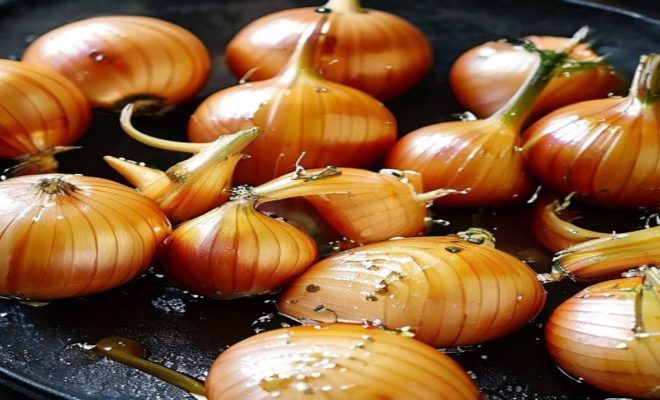
Caramelizing onions is a culinary technique that transforms humble onions into sweet, golden, and deeply flavorful ingredients that can elevate a multitude of dishes. Whether you’re enhancing a savory dish or creating a rich topping for burgers, understanding how to properly caramelize onions is a skill that every home cook should master. In this article, we’ll explore the origins of this technique, the science behind the process, and provide you with ten essential tips to achieve perfectly caramelized onions every time.
1. The Origins of Caramelizing Onions
The practice of caramelizing onions dates back centuries, with culinary roots found in various global cuisines. The term “caramelization” itself refers to the process of heating sugar, which occurs naturally in onions during cooking. While the exact origin of caramelized onions is hard to pinpoint, many cultures have contributed to the technique. In French cuisine, for instance, caramelized onions are key to dishes like French onion soup and are often used to enhance the flavor of sauces.
As cooking methods evolved, so did the appreciation for caramelized onions. Their ability to add depth and complexity to dishes made them a favorite among chefs and home cooks alike. Today, caramelized onions are celebrated in various cuisines, from Italian pasta dishes to Middle Eastern flatbreads, showcasing their versatility and rich flavor profile.
2. Understanding the Science of Caramelization
At the heart of caramelizing onions is the Maillard reaction, a complex series of chemical reactions that occur when proteins and sugars are exposed to heat. When you caramelize onions, their natural sugars break down and undergo a transformation, resulting in that sweet and savory richness. This process typically begins at around 250°F (121°C) and can continue well into the cooking process, reaching up to 320°F (160°C).
As the onions cook, they lose water content and become softer. The longer you cook them, the deeper the caramelization will be, resulting in a range of flavors from sweet and nutty to rich and savory. However, care must be taken to avoid burning, as this can lead to bitterness rather than the desired sweetness. Understanding this science not only helps you achieve better results but also gives you confidence in adjusting the cooking process to your taste.
3. Choosing the Right Onions
While you can technically caramelize any variety of onion, the type you choose will significantly impact the flavor and sweetness of the finished product. Yellow onions are the go-to choice for many chefs due to their balanced flavor and sweetness when cooked. They caramelize beautifully and develop a rich, complex flavor.
Alternatively, you can experiment with sweet onions like Vidalia or Walla Walla for an even sweeter result. Red onions also work well but may yield a slightly sharper taste. Regardless of the type you choose, ensure the onions are fresh and firm. This will help you achieve the best flavor and texture when caramelizing.
4. Essential Tools and Equipment
To caramelize onions effectively, you don’t need much—just a few essential tools. A heavy-bottomed skillet or sauté pan is crucial for even heat distribution. Cast iron and stainless-steel pans are popular choices as they hold heat well and develop a nice fond, which adds flavor.
A wooden spoon or heat-resistant spatula will help you stir the onions without scratching your pan. Additionally, a lid can be useful for covering the pan briefly to trap steam, which can help soften the onions faster. Finally, a sharp knife is essential for slicing the onions evenly, allowing for consistent cooking.
5. The Basic Technique: Step-by-Step
Ready to caramelize onions? Follow these simple steps for a perfect result: (See: understanding caramelization process.)
- Prep the Onions: Start by peeling the onions and slicing them thinly, about 1/4-inch thick. Uniform slices ensure even cooking.
- Heat the Pan: Place your skillet over medium heat and add a tablespoon of oil or butter. Allow it to heat until shimmering.
- Add the Onions: Once the fat is hot, add the sliced onions. Stir to coat them in the oil or butter, spreading them out evenly in the pan.
- Cook Low and Slow: Reduce the heat to low-medium and let the onions cook slowly. Stir occasionally, scraping the bottom of the pan to release any fond.
- Deglaze if Necessary: If the onions start to stick, add a splash of water or broth and scrape up the browned bits, which will contribute flavor.
- Finish Cooking: After 30-40 minutes, the onions should be golden brown and caramelized. Season with salt and pepper to taste.
By following these steps, you can master the fundamental technique of caramelizing onions, paving the way for countless delicious dishes.
6. Patience is Key
One of the most crucial aspects of successfully caramelizing onions is patience. Rushing the process can result in uneven cooking, burnt edges, and a lack of depth in flavor. The best caramelized onions develop their sweetness over time, so it’s essential to allow for a slower cooking process.
As a general rule, plan on spending at least 30 to 45 minutes caramelizing onions. If you’re aiming for a deep, rich color and flavor, consider allowing them to cook for a full hour or even longer. The time invested pays off in the end, resulting in beautifully caramelized onions that add richness to every dish.
7. Enhancing Flavor with Extras
While caramelized onions are delicious on their own, you can enhance their flavor with additional ingredients. A splash of balsamic vinegar, for instance, can add a delightful tang that complements the sweetness of the onions. Alternatively, a sprinkle of fresh herbs like thyme or rosemary adds earthiness.
For a richer finish, consider finishing with a pat of butter or a drizzle of olive oil. Other flavor enhancers include sautéing garlic along with the onions for a garlicky twist or incorporating spices like cumin or smoked paprika for an unexpected kick. The possibilities are vast, and experimenting can lead to interesting and delicious variations on classic caramelized onions.
8. Common Mistakes to Avoid
Even seasoned cooks can make mistakes when caramelizing onions. Here are some common pitfalls to watch out for:
- Using High Heat: Cooking onions over high heat can lead to burning rather than caramelization. Stick to medium or low heat for the best results.
- Overcrowding the Pan: If you add too many onions to the pan at once, they will steam instead of caramelizing. Work in batches if necessary.
- Skipping the Stirring: While it may seem tedious, stirring occasionally is vital to achieving even cooking. It helps prevent sticking and burning.
- Impatience: Trying to rush the caramelization process can deter the Maillard reaction. Allow ample time for the onions to develop their flavors.
By being aware of these common mistakes, you can ensure your caramelized onions turn out perfectly every time.
9. Storing and Reusing Caramelized Onions
Once you’ve mastered the art of caramelizing onions, you may find yourself with a surplus. Fortunately, caramelized onions store well and can be reused in various dishes. Allow them to cool completely before transferring them to an airtight container. They can be stored in the refrigerator for up to a week or frozen for up to three months.
When ready to use, simply reheat them in a pan over low heat, adding a splash of water or broth to loosen them if necessary. Reheated caramelized onions can be added to soups, stews, or used as toppings for pizzas and sandwiches. Their rich flavor will enhance any dish, making the effort worthwhile.
10. Incorporating Caramelized Onions into Your Cooking
Now that you know how to caramelize onions, let’s explore some delicious ways to incorporate them into your cooking. They can be used as a base for sauces, added to dishes like risottos or pasta, or served as a topping on steak or burgers. The sweet, rich, and savory flavor of caramelized onions can elevate even the simplest meals.
Consider using caramelized onions on flatbreads or pizzas as a flavorful component. They can also be mixed into dips for added depth or blended into spreads. The versatility of caramelized onions is truly remarkable, making them a valuable addition to any home cook’s repertoire.
11. Health Benefits of Caramelized Onions
While caramelized onions are often celebrated for their flavor, they also come with health benefits. Onions are a good source of vitamins C and B6, folate, and potassium. They are also rich in antioxidants, which can help fight inflammation and boost your immune system. (See: scientific study on caramelization.)
Caramelizing onions does enhance their sugar content, but the slow cooking process also preserves many of their nutrients. By incorporating caramelized onions into your diet, you can enjoy their health benefits without sacrificing flavor. They can also be a great option for those looking to reduce sodium in their diets, as the natural sweetness can enhance flavor without the need for excessive salt.
12. Caramelized Onions Around the World
Caramelized onions can be found in various cuisines around the globe, showcasing their adaptability. In France, they are an essential component of traditional French onion soup. This dish takes advantage of the onions’ natural sweetness, complemented by broth and cheese for a rich, comforting meal.
In Italy, caramelized onions are often used in pasta dishes and risottos, where their sweetness balances the acidity of tomatoes or the richness of cheese. Middle Eastern cuisine celebrates caramelized onions in dishes like kebabs and flatbreads, where they add depth to grilled meats and vegetarian options alike.
In India, caramelized onions are frequently used in biryanis and curries, providing a sweet contrast to the spiciness of the dishes. As you can see, caramelized onions are not just a cooking technique but a global ingredient that enhances a variety of foods.
13. Tips for Caramelizing Onions in Different Cooking Methods
While the stovetop method is the most common way to caramelize onions, there are other cooking methods you can explore:
Oven Method
Roasting onions in the oven can yield beautifully caramelized results with minimal effort. Preheat your oven to 400°F (200°C), slice the onions, and toss them with olive oil, salt, and any desired herbs or spices. Spread them in a single layer on a baking sheet and roast for about 30-40 minutes, stirring halfway through. This method allows for even cooking and is great for larger batches.
Slow Cooker Method
Using a slow cooker is another effective way to caramelize onions, requiring little attention during the cooking process. Simply slice your onions, add a bit of oil or butter, and season them with salt. Cook on low for about 6-8 hours. This method is particularly handy when you want to prep a large quantity without being tied to the stove.
Grill Method
For a smoky flavor, consider grilling your onions. Slice them into thick rings, coat them with olive oil, and place them on a grill pan or directly on the grill. Cook over medium heat until they are soft and caramelized, turning occasionally. This method adds a unique flavor profile that can enhance grilled meats or vegetable skewers.
14. Frequently Asked Questions (FAQ)
What’s the best type of onion for caramelizing?
Yellow onions are generally the best choice for caramelizing due to their balanced flavor and sugar content. However, sweet onions like Vidalia or Walla Walla can provide an even sweeter result.
How long should I cook onions to caramelize them?
Caramelizing onions typically takes 30 to 45 minutes, but for deeper flavor and color, you can cook them for up to an hour or longer. (See: BBC food techniques for caramelizing.)
Can I caramelize onions in a slow cooker?
Yes, you can caramelize onions in a slow cooker by cooking on low for about 8 hours. This method requires less attention but will produce deliciously sweet results.
What can I do with leftover caramelized onions?
Leftover caramelized onions can be added to soups, stews, pizzas, sandwiches, or even used in dips and spreads. They store well in the refrigerator or can be frozen for later use.
Can I speed up the caramelization process?
While it’s tempting to speed up the process by increasing the heat, it’s not recommended as it can lead to burning. Instead, consider using a wider pan to allow for more even cooking or adding a bit of sugar to encourage caramelization.
Are caramelized onions vegan?
Yes, caramelized onions can easily be made vegan by using oil instead of butter, making them a great addition to various vegan dishes.
Can I add fruit to caramelized onions?
Absolutely! Adding fruits like apples or pears during the cooking process can provide a delightful sweetness and contrast. Simply add them when the onions are about halfway caramelized for a beautiful blend of flavors.
What are some unique uses for caramelized onions?
Caramelized onions can be used in a wide range of dishes beyond the usual applications. Consider adding them to omelets, mixing them into burgers, or even incorporating them into a savory bread pudding. Their rich flavor can also elevate dips like hummus or bean spreads, making them a versatile ingredient in both everyday meals and special occasions.
Mastering the technique to caramelize onions not only enhances your cooking skills but also enriches your culinary creations. With patience and practice, you’ll find that caramelized onions are a wonderful way to add depth and complexity to a variety of dishes. So, grab your onions, heat that skillet, and start caramelizing — your taste buds will thank you!
“`
Trending Now
Frequently Asked Questions
What is the best way to caramelize onions?
The best way to caramelize onions is to cook them slowly over low to medium heat, allowing their natural sugars to break down. Use a bit of oil or butter in a pan, stir occasionally, and let them cook for 30 to 45 minutes until they turn golden brown and develop a sweet flavor.
How long does it take to caramelize onions?
Caramelizing onions typically takes about 30 to 45 minutes. The key is to cook them slowly over low heat, allowing the sugars to develop fully without burning, resulting in sweet, golden-brown onions.
What type of onions are best for caramelizing?
Yellow onions are the best choice for caramelizing due to their balance of sweetness and flavor. However, you can also use sweet onions like Vidalia or even red onions for a different taste and color.
Can you caramelize onions in advance?
Yes, you can caramelize onions in advance. Once cooked, let them cool and store them in an airtight container in the refrigerator for up to a week. You can reheat them as needed for various dishes.
Why do onions turn brown when cooked?
Onions turn brown when cooked due to the Maillard reaction, a chemical process that occurs when sugars and proteins are exposed to heat. This reaction enhances flavor and color, resulting in the rich, sweet taste of caramelized onions.
What's your take on this? Share your thoughts in the comments below — we read every one.