How to make vinaigrette
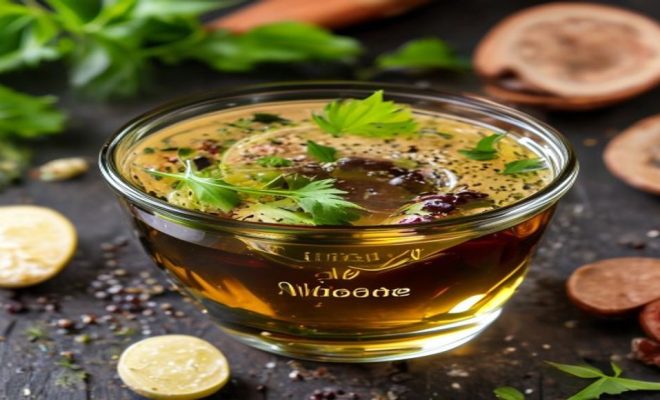
“`html
When it comes to enhancing your salads, knowing how to make vinaigrette can be a game-changer. This simple yet versatile dressing not only elevates the flavors of your greens but also allows you to customize your meals with a variety of tastes and textures. Whether you’re a seasoned chef or a kitchen novice, understanding the fundamentals of vinaigrette will empower you to create delicious dressings that suit any dish. In this article, we’ll explore the basics of vinaigrette, different variations, and practical tips to help you master this culinary art.
1. What is Vinaigrette?
Vinaigrette is a dressing made primarily from oil and vinegar, which can be emulsified to create a stable mixture for salads and various dishes. The classic ratio for vinaigrette is three parts oil to one part vinegar, though this can be adjusted based on personal taste and the use of different vinegars. The beauty of vinaigrette lies in its simplicity and adaptability, allowing home cooks to experiment with flavors and ingredients.
This dressing dates back to ancient times, with roots in French cuisine. The term itself comes from the French word “vinaigre,” meaning vinegar. Traditionally, vinaigrettes were used to enhance the flavors of salads, but they’ve since evolved and found their way into marinades, dips, and even sauces. As culinary trends have progressed, so has the vinaigrette, with modern interpretations incorporating a range of herbs, spices, and other flavorings.
2. The Essential Components of Vinaigrette
To truly understand how to make vinaigrette, it’s crucial to know its core components. The base consists of two primary ingredients: oil and vinegar. The type of oil you choose can significantly affect the flavor profile. Common options include olive oil, canola oil, and avocado oil. Olive oil is favored for its rich taste and health benefits, while canola oil is neutral and versatile.
Vinegar also plays a pivotal role in defining the vinaigrette’s taste. Balsamic, red wine, white wine, and apple cider vinegar are popular choices, each contributing unique flavors. Balsamic vinegar is known for its sweetness, while apple cider vinegar brings a tangy zest. Understanding the balance between these components is key to crafting a vinaigrette that harmonizes with your dish.
3. Choosing the Right Oil and Vinegar
Choosing the right oil and vinegar is fundamental to achieving a vinaigrette that complements your meal. For oils, extra virgin olive oil is often recommended for its full flavor and quality. However, other oils like walnut or sesame can add a unique twist. When selecting vinegar, consider the intended flavor profile: robust red wine vinegar works well with hearty salads, while light white wine vinegar pairs beautifully with delicate greens.
It’s worth noting that the quality of your oil and vinegar can greatly impact the final product. Opting for high-quality, organic oils and vinegars can elevate your dressing from ordinary to extraordinary. Experimenting with flavored oils and vinegars, such as garlic-infused oil or raspberry vinegar, can also lead to exciting culinary innovations.
4. Emulsification: The Key to a Stable Vinaigrette
One of the most critical aspects of how to make vinaigrette is mastering emulsification. This process combines two liquids that typically do not mix—oil and vinegar—into a stable mixture. Emulsification can be achieved through vigorous whisking, blending, or shaking in a jar. The goal is to disperse the oil into tiny droplets that remain suspended in the vinegar.
To facilitate emulsification, you can add an emulsifier such as mustard or honey. These ingredients contain compounds that help stabilize the mixture, preventing separation. When preparing your vinaigrette, start by adding vinegar and any flavorings like herbs or garlic to your mixing bowl, then gradually whisk in the oil. This method ensures a smooth and creamy dressing that clings to your greens.
5. Flavor Enhancements: Herbs, Spices, and More
While the basic oil and vinegar combination is fantastic on its own, there’s a world of flavor enhancements you can explore. Fresh herbs like basil, parsley, or dill can add brightness and freshness, while dried herbs offer concentrated flavor. Spices, such as paprika or cumin, can introduce warmth and depth to your vinaigrette.
Additions like minced garlic, shallots, or even citrus juice can create layers of flavor. Citrus zest can also be a delightful addition, providing a refreshing twist. The key is to balance these enhancements without overwhelming the dressing; a little goes a long way. Taste as you go to ensure you achieve the desired flavor profile. (See: Vinaigrette on Wikipedia.)
6. Common Mistakes to Avoid
Making vinaigrette sounds simple, but there are pitfalls even experienced cooks can fall into. One of the most common mistakes is not balancing the oil and vinegar properly. Remember the classic 3:1 ratio, but don’t hesitate to adjust based on personal taste. If your vinaigrette is too acidic, add more oil; if it’s too bland, a splash more vinegar might be necessary.
Another mistake is neglecting the emulsification process. A vinaigrette that separates easily can be disappointing and unappetizing. Ensure you whisk or shake your dressing vigorously and consider adding an emulsifier like dijon mustard to help maintain stability. Lastly, don’t forget to season your vinaigrette with salt and pepper, as this can elevate the overall flavor!
7. Storing and Using Vinaigrette
Once you’ve mastered how to make vinaigrette, you may wonder how to store it effectively. Homemade vinaigrettes can be kept in an airtight container in the refrigerator for up to a week. However, you must remember that the oil may solidify when chilled; simply allow it to sit at room temperature for a few minutes and shake well before using.
Vinaigrette can be used far beyond salads; drizzle it over grilled vegetables, use it as a marinade for meats, or toss it with roasted potatoes. The versatility of vinaigrette makes it a staple in any kitchen. Feel free to get creative and experiment with different flavor combinations to discover what works best for your palate.
8. Popular Vinaigrette Variations to Try
While classic vinaigrette is a fantastic start, branching out with different variations can be incredibly rewarding. A balsamic vinaigrette adds a sweet and tangy flavor that pairs beautifully with spinach and strawberries. For a Mediterranean twist, try a lemon-herb vinaigrette with fresh garlic and oregano, perfect for drizzling over grilled chicken or seafood.
If you’re looking for something a bit more adventurous, consider a sesame ginger vinaigrette. Combining sesame oil, rice vinegar, and grated ginger creates a delightful dressing that complements Asian-inspired salads perfectly. The world of vinaigrette variations is vast, so don’t hesitate to experiment and find your favorites!
9. How to Elevate Your Vinaigrette Game
Once you’ve grasped the basics of how to make vinaigrette, it’s time to elevate your creations. Consider experimenting with different bases—try using fruit juices or purees instead of vinegar for a unique twist. Mango or pomegranate juice can add a sweet dimension that pairs well with heartier dishes.
You can also play with textures by adding nuts or seeds to your vinaigrette. Chopped walnuts or sunflower seeds can give your dressing a delightful crunch. Lastly, don’t shy away from garnishing your dishes with fresh herbs or edible flowers to enhance the visual appeal of your salads. With these tips, you’ll not only master the art of vinaigrette but also impress your guests with beautiful and flavorful dishes that shine.
10. Health Benefits of Vinaigrette
Beyond flavor, vinaigrette can offer several health benefits. The primary ingredient, olive oil, is known for its heart-healthy monounsaturated fats, which can help lower bad cholesterol levels and improve heart health. Additionally, olive oil is rich in antioxidants and anti-inflammatory properties, making it a great addition to a balanced diet.
When using vinegar, particularly apple cider vinegar, research suggests it may help with blood sugar control and weight management. A study from the Journal of Functional Foods found that vinegar consumption can lead to lower blood glucose levels after meals. Incorporating vinaigrette into your diet may not only enhance flavor but can also contribute to overall wellness.
11. Vinaigrette and Food Pairing
Understanding food pairing can elevate your meals significantly. When it comes to salads, consider the ingredients you’re using. A rich vinaigrette, like one made with balsamic vinegar and olive oil, works well with robust greens, such as kale or arugula. For lighter salads featuring delicate greens like butter lettuce, a citrus-based vinaigrette can enhance their subtle flavors without overpowering them.
Vinaigrette isn’t limited to salads; it also pairs beautifully with proteins. A lemon vinaigrette can brighten up grilled chicken or fish, while a creamy herb vinaigrette can complement roasted vegetables or grain bowls. Being mindful of flavor profiles can transform a simple meal into a culinary delight.
12. Creative Uses for Vinaigrette
Think outside the salad bowl! Vinaigrette can be used in various creative ways in the kitchen. Use it as a marinade for meats or tofu before grilling or roasting to infuse flavor deeply. It can also serve as a flavorful dipping sauce for bread, fresh veggies, or chicken wings. (See: CDC on healthy eating.)
Drizzle vinaigrette over cooked grains, such as quinoa or farro, for added flavor during meal prep. You can even use it to dress pasta salads. The possibilities are endless, making vinaigrette a staple that can enhance numerous dishes.
13. Tips for Customizing Your Vinaigrette
Each cook has their preferences, and customizing your vinaigrette is part of the fun! Start by thinking about the flavor profiles you enjoy. If you prefer a sweeter dressing, consider adding honey or maple syrup to your vinaigrette. If you’re a fan of heat, a pinch of red pepper flakes or a splash of hot sauce can bring excitement to your dressing.
Incorporating seasonal ingredients can also inspire new flavor combinations. Fresh herbs or even seasonal fruits can transform a basic vinaigrette into something special. Keep a few go-to recipes that you can tweak depending on what you have available in your pantry or garden.
14. Frequently Asked Questions (FAQ)
Q: How long does homemade vinaigrette last?
A: Typically, homemade vinaigrette can last in the refrigerator for about a week. Be sure to store it in an airtight container and shake well before each use.
Q: Can I use flavored oils or vinegars?
A: Absolutely! Flavored oils, like garlic-infused or chili oil, and vinegars, such as raspberry or fig vinegar, can add unique and exciting flavors to your vinaigrette.
Q: What’s the best way to whisk vinaigrette?
A: The best way to whisk vinaigrette is to start with the vinegar and any other flavorings in a bowl. Gradually drizzle in the oil while whisking vigorously to create a stable emulsion.
Q: Can I use a blender to make vinaigrette?
A: Yes! A blender or immersion blender can help you achieve a perfectly emulsified vinaigrette. Just make sure to add the ingredients in the right order—vinegar first, then oil slowly while blending.
Q: What are some common variations of vinaigrette?
A: There are countless variations! Some popular ones include balsamic vinaigrette, Dijon mustard vinaigrette, honey mustard vinaigrette, and herb vinaigrettes. Feel free to get creative!
Q: Can I make vinaigrette in advance?
A: Yes, making vinaigrette in advance is a great idea. Just keep it in the refrigerator, and remember to shake or stir it before using as the ingredients may separate.
Q: Is vinaigrette gluten-free?
A: Most vinaigrettes are naturally gluten-free, especially those made with just oil and vinegar. Always check additional ingredients to ensure they are gluten-free if you have dietary restrictions. (See: New York Times vinaigrette recipe.)
15. Exploring Global Vinaigrettes
Vinaigrettes aren’t limited to just the classic oil and vinegar combinations. Around the world, different cultures have their interpretations. For instance, in Asia, you might encounter a soy sauce-based vinaigrette that incorporates sesame oil, rice vinegar, and ginger, providing a savory and tangy flavor that’s distinctively different from a traditional Western vinaigrette.
In Latin cuisine, cilantro-lime vinaigrette is popular, often made with lime juice, fresh cilantro, and olive oil, creating a zesty dressing that pairs perfectly with grilled meats and fresh salads. Exploring these global variations not only broadens your culinary horizons but also adds exciting flavors to your repertoire.
16. Vinaigrette for Every Season
Creating vinaigrette that reflects the seasons can enhance your dishes. In spring, consider using fresh herbs like chives and parsley with lemon juice to make a light and refreshing dressing. Summer vinaigrettes might incorporate fruits like peaches or strawberries, blending in a touch of honey or maple syrup for sweetness.
As fall arrives, think about using apple cider vinegar paired with warm spices like cinnamon for a cozy, autumnal flavor. Winter can call for richer ingredients like roasted garlic or even a splash of balsamic vinegar mixed with pomegranate juice to add depth and warmth to hearty winter salads. Tailoring your vinaigrette to the seasons not only makes the most of fresh ingredients but also keeps your meals exciting throughout the year.
17. Vinaigrettes in Meal Prep
Using vinaigrette in meal prep can save time and enhance flavor. Preparing a large batch of vinaigrette at the beginning of the week can make it easy to create quick salads or dressings for various meals. Consider portioning out individualized servings to make it easy to grab and go.
You can also use vinaigrettes to marinate proteins ahead of time, allowing for deeper flavor penetration. Just remember to label your containers with the preparation date and the type of vinaigrette used. This will help you keep track of freshness and ensure you’re using your dressings at their best.
18. Final Thoughts on Mastering Vinaigrette
As you continue your journey in learning how to make vinaigrette, remember that experimentation is key. Don’t be afraid to deviate from traditional recipes and explore new ingredients and techniques. Each batch can be an opportunity to discover what you love most.
Whether you’re whipping up a quick dressing for a weeknight dinner or crafting an elegant vinaigrette for a special occasion, having a solid understanding of the principles of vinaigrette will empower you in the kitchen. So gather your ingredients, get creative, and relish the art of making vinaigrette that impresses not just your palate, but also those you share it with.
“`
Trending Now
Frequently Asked Questions
What is the basic ratio for vinaigrette?
The classic ratio for vinaigrette is three parts oil to one part vinegar. This ratio can be adjusted according to personal taste and the type of vinegar used, allowing for a variety of flavor profiles.
What are the main ingredients in a vinaigrette?
The essential components of vinaigrette are oil and vinegar. Common oils include olive oil, canola oil, and avocado oil, while various types of vinegar can be used to enhance flavor.
How can I customize my vinaigrette?
You can customize your vinaigrette by experimenting with different oils, vinegars, and additional ingredients like herbs, spices, and sweeteners. This flexibility allows you to create dressings that perfectly complement your salads or dishes.
What is the history of vinaigrette?
Vinaigrette has roots in ancient French cuisine, with the term derived from the French word 'vinaigre,' meaning vinegar. Traditionally used for salads, its applications have expanded to marinades, dips, and sauces over time.
Can vinaigrette be used for marinades?
Yes, vinaigrette is versatile and can be used as a marinade for meats and vegetables. Its oil and vinegar base helps to tenderize and infuse flavor, making it a great choice for marinating.
What's your take on this? Share your thoughts in the comments below — we read every one.