Master Carry-On Packing: 9 Tips for Stress-Free Travel
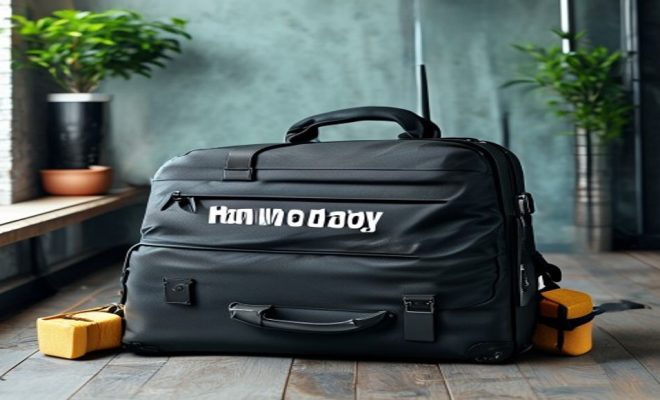
Packing a carry-on bag efficiently can make or break your travel experience. Whether you’re jetting off for a weekend getaway or heading out for a business trip, knowing how to maximize your carry-on space is crucial. With the right carry on bag packing tips, you can ensure that you have everything you need without the stress of overpacking or forgetting essentials. Here are nine invaluable tips to help you master the art of packing your carry-on bag.
1. Choose the Right Bag: Size and Style Matter
Your first step in mastering carry-on packing is selecting the appropriate bag. Airlines often have specific size restrictions for carry-on luggage, typically ranging from 22” x 14” x 9” to 24” x 16” x 10”. However, it’s vital to check your airline’s guidelines before making a purchase.
When choosing a bag, consider your travel style. A hard-shell suitcase can provide extra protection for fragile items, while a soft-sided bag is generally lighter and easier to fit into overhead compartments. Additionally, look for organizational features like compartments, pockets, and straps that can help you keep your belongings from shifting during travel.
2. Plan Your Outfits in Advance: The Capsule Wardrobe Approach
One of the most effective carry on bag packing tips is to plan your outfits ahead of time. By creating a capsule wardrobe, you can choose versatile pieces that can be mixed and matched. Stick to a color palette that allows for easy combinations. For example, a neutral base with a few colorful accessories can transform simple outfits.
Consider the weather and activities you’ll be engaging in during your trip. Don’t forget to include layers, as temperatures can vary between destinations. By planning your outfits beforehand, you’ll reduce the likelihood of overpacking while ensuring you have everything you need.
3. Roll Your Clothes: Save Space and Minimize Wrinkles
When it comes to effective packing, rolling your clothes can be a game-changer. Not only does it save space, but it also minimizes wrinkles. This technique allows you to fit more items into your carry-on while keeping your clothing organized and easy to access.
To roll your clothes, start with a flat surface and lay the garment out. Fold the sleeves inward, roll from the bottom to the top, and secure with a rubber band if necessary. This method can be particularly useful for t-shirts, pants, and dresses. For bulkier items like jackets, consider wearing them during travel to save space in your bag.
4. Use Packing Cubes: Stay Organized and Efficient
Packing cubes are a traveler’s best friend and a top recommendation among carry on bag packing tips. These zippered compartments allow you to categorize your belongings, making it easy to find items without rummaging through your entire bag.
Organize your cubes by type of clothing or by day. For instance, you could have one cube for underwear and socks, another for tops, and yet another for bottoms. This not only maximizes your space but also streamlines your packing process. Additionally, packing cubes can make unpacking at your destination a breeze, as you can simply transfer them into drawers and keep everything organized.
5. Keep Essential Items Accessible: Think About Security and Convenience
When packing your carry-on, it’s vital to keep essential items readily accessible. This includes travel documents, medications, electronics, and any other items you might need during the flight. Consider using a front pocket for easy access to your boarding pass and ID.
Don’t forget about the security checkpoints. Place your laptop and liquids at the top of your bag so they can be easily removed for screening. This will save you time and frustration when you’re at the airport and will help you move smoothly through the security process.
6. Minimize Liquids and Gels: Follow TSA Guidelines
When it comes to packing liquids and gels, follow the Transportation Security Administration (TSA) guidelines to avoid any hassle at security. Each container must be 3.4 ounces (100 milliliters) or less, and all containers must fit into a single quart-sized bag. This rule applies to carry-on luggage in the U.S. and is similar worldwide. (See: Learn about different types of luggage.)
To minimize liquids, consider solid alternatives like shampoo bars, solid deodorants, and refillable travel containers. Also, try to pack only the essentials — think about what you truly need versus what you want. Remember, many hotels provide basic toiletries, so you might be able to leave those behind.
7. Pack Versatile Footwear: Comfort is Key
Your choice of footwear can significantly affect how much you can pack. Ideally, you want to bring versatile shoes that suit multiple occasions and outfits. For instance, a stylish pair of sneakers can work for casual outings and be comfortable enough for travel.
It’s best to wear your bulkiest pair of shoes during transit, such as boots or dress shoes, to save space in your carry-on. If you need to pack an extra pair, consider using shoe bags to protect your other belongings from dirt and scuffing.
8. Utilize Every Inch of Space: Think Outside the Bag
When packing a carry-on, every inch of space counts. Use items like your shoes to store smaller items, such as socks or chargers. You can also fill gaps between packed items with small essentials, like belts or scarves.
Additionally, consider wearing bulkier items that you don’t want to pack, like jackets or sweaters. Not only will this save space, but it can also keep you warm during your flight. Think creatively about how to maximize your space while keeping your bag organized and manageable.
9. Check Before You Leave: A Final Packing Checklist
Before you head to the airport, it’s crucial to do a final check to ensure you have everything you need. Create a packing checklist based on your trip requirements and stick to it. This can include essentials like your phone charger, travel documents, and any items you might need for your activities.
It might also be worth weighing your bag to ensure it falls within your airline’s weight limits. Overweight carry-ons can lead to unexpected fees, which is definitely something you want to avoid. A few minutes spent double-checking your bag can save you a lot of time and stress at the airport.
10. Consider Your Travel Length: Duration Matters
When planning your packing strategy, the length of your trip is a major factor. For a weekend getaway, you might only need the basics—two outfits, a pair of shoes, and your essential toiletries. However, for a week-long trip, you’ll need to think more strategically about clothing and gear.
Consider packing clothes that can be worn multiple times in different ways. For instance, a pair of versatile black pants can be dressed up with a blouse for dinner or dressed down with a t-shirt for sightseeing. This not only helps in reducing the number of items you pack but also keeps your overall look fresh through various combinations. For more on this, see best packing methods.
11. Leverage Technology: Use Packing Apps
In our tech-driven world, packing apps can be a game-changer. Applications like PackPoint or Travel List can help you organize your essentials and even suggest items based on your destination’s weather and activities. These apps allow you to create custom packing lists, ensuring you don’t miss any important items.
Additionally, many of these apps allow for adjustments based on trip duration, activities, and whether you’ll have access to laundry facilities. By utilizing technology, you can streamline your packing process and make last-minute changes to your list easily.
12. Include a Lightweight Tote or Backpack: Additional Storage
Sometimes, you might need more space than your carry-on allows. Packing a lightweight tote or foldable backpack can serve multiple purposes—use it for day trips, extra storage for souvenirs, or even as a personal item for the flight. Look for options that can be easily folded down to fit into your carry-on when not in use.
Moreover, with many airlines allowing both a carry-on and a personal item, make sure to take advantage of this by filling your tote with essentials like a book, snacks, or a travel pillow for added comfort during your flight. (See: Travel health and safety guidelines.)
13. Stay Prepared for Security Checks: Think Ahead
It’s no secret that airport security can be a hassle. One of the best carry on bag packing tips is to think ahead about security checks. Keep in mind that you’ll need to remove your laptop and liquids, so place them at the top of your bag for easy access.
Additionally, having your ID and boarding pass out and ready can speed up the process. Many travelers also find it helpful to wear easy-to-remove shoes, as you’ll likely need to take them off during screening. Having a system in place for this part of your travel can save you time and reduce stress.
14. Utilize Compression Bags: Save Even More Space
If you’re really struggling for space, compression bags can work wonders. These bags let you vacuum out excess air, allowing you to pack your clothes more tightly. They’re especially useful for bulkier items like jackets or sweaters, which can take up a lot of room in your carry-on.
Just be mindful when using compression bags that you don’t overpack, as this can lead to issues when you need to retrieve items quickly at your destination. A well-compressed bag should still allow for easy access to your essentials.
15. Maintain a Positive Mindset: Enjoy the Journey
Packing efficiently is important, but so is your mindset as you embark on your journey. Travel should be enjoyable, so focus on the excitement of your trip rather than the stress of packing. Keep in mind that no packing strategy is perfect, and you can always buy an item at your destination if needed.
Remember, travel is about making memories and experiencing new things. A little preparation goes a long way, but don’t let packing overwhelm you. Embrace the journey and enjoy every moment. (Edrater's suitcase strategies)
16. Frequently Asked Questions (FAQ)
What size carry-on bag is allowed by most airlines?
Most airlines permit carry-on bags that range from 22” x 14” x 9” to 24” x 16” x 10” in dimensions. It’s always best to check your specific airline’s guidelines prior to your trip, as sizes can vary.
How do I pack toiletries in my carry-on?
To comply with TSA regulations, all liquid containers must be 3.4 ounces (100 milliliters) or less and fit into a single quart-sized bag. Consider using solid toiletries or travel-sized containers to minimize the amount you need to pack.
Can I bring food in my carry-on bag?
Yes, you can bring food in your carry-on bag, but be aware that liquid items like soups or sauces must comply with the liquid restrictions. Solid foods are generally allowed, so snacks like nuts, granola bars, or sandwiches are good options.
What should I do if I forget something important?
If you realize that you’ve forgotten something essential after arriving at your destination, don’t panic. Most items can be purchased in drugstores, supermarkets, or convenience stores. Plan accordingly by keeping a list of essentials to check off as you pack.
How can I keep my electronics organized?
Use a dedicated tech organizer or pouch to keep your electronics and their accessories—like chargers, headphones, and adapters—together. This will help prevent tangling and make it easier to find items when you need them.
17. Additional Packing Hacks: Clever Strategies to Optimize Space
In addition to the packing tips mentioned, there are several clever strategies that can help you maximize your carry-on space. One often overlooked hack is using the space in your jacket or coat. If you’re traveling in the colder months, wear a jacket with multiple pockets. You can stash items like your phone charger, snacks, or even a small book within these pockets. It’s a great way to keep your essentials close at hand. (See: Expert packing tips from The New York Times.)
Another useful trick is to use your belts to hold clothes together. By wrapping a belt around rolled clothing, you can keep them tightly packed and minimize shifting. This technique works especially well for dress pants or skirts. Additionally, consider packing a small, foldable shopping bag in your carry-on. This can serve as extra storage once you reach your destination, especially if you plan to shop or need to carry more items during day trips.
18. Know Your Airline’s Policy: Different Rules for Different Airlines
Airline policies can vary significantly when it comes to carry-on luggage. For instance, budget airlines often have stricter size and weight limits than major carriers. It’s essential to familiarize yourself with your airline’s specific regulations before packing. This knowledge can help you avoid surprises at the airport and ensure that your bag fits the requirements.
Additionally, some airlines allow you to bring a personal item in addition to your carry-on. This can include items like a handbag or a laptop bag. Knowing how to utilize this allowance can give you more flexibility in your packing. Many travelers benefit from researching common carry-on experiences with their specific airlines, which can provide insights into popular packing techniques adopted by fellow flyers.
19. Consider Travel Insurance: Protection Against the Unexpected
Sometimes, despite our best efforts, things can go wrong during travel. Consider investing in travel insurance that covers lost luggage, trip cancellations, and other unexpected events. This can provide peace of mind, especially if you have valuable items in your carry-on.
While it may seem like an unnecessary expense, travel insurance can be a lifesaver if you encounter a situation that disrupts your plans. If your carry-on is lost or delayed, having insurance can help you get reimbursed for essential items you need to purchase while waiting for your luggage.
20. Destination-Specific Tips: Tailoring Your Packing
Different destinations may require different packing strategies. If you’re heading to a tropical location, lightweight, breathable clothing is essential. Alternatively, if your travel plans involve hiking or outdoor activities, don’t forget to pack appropriate gear like sturdy shoes, moisture-wicking shirts, and a reusable water bottle.
For business trips, consider packing wrinkle-free clothing and professional attire that can be easily coordinated. If you have back-to-back meetings, packing items that don’t require ironing can save you time. Always take into account the culture of your destination as well; some places may require more modest attire, while others encourage casual wear. Understanding the nuances of your destination can help you pack more effectively.
In summary, mastering how to pack a carry-on bag can drastically improve your travel experience. By following these carry on bag packing tips, you’ll be efficiently prepared for any adventure, whether it’s a quick business trip or an exciting vacation. Happy travels!
Trending Now
Frequently Asked Questions
What is the best way to pack a carry-on bag?
The best way to pack a carry-on bag is to choose the right size bag based on your airline's restrictions, plan your outfits in advance using a capsule wardrobe approach, and roll your clothes to save space and minimize wrinkles. Additionally, utilize compartments and pockets for organization.
How do you maximize space in a carry-on bag?
To maximize space in a carry-on bag, roll your clothes instead of folding them, use packing cubes for organization, and fill any gaps with smaller items like socks or accessories. Planning outfits in advance can also help ensure you only pack what you need.
What should I consider when choosing a carry-on bag?
When choosing a carry-on bag, consider the size restrictions set by your airline, the style of the bag (hard-shell vs. soft-sided), and organizational features like compartments and pockets. These factors will help you select a bag that meets your travel needs.
How can I avoid overpacking a carry-on?
To avoid overpacking a carry-on, create a capsule wardrobe by planning versatile outfits in advance, stick to a specific color palette, and be mindful of the activities you'll be doing. This approach ensures you only pack essential items and reduces the risk of bringing unnecessary items.
What are some tips for rolling clothes for packing?
When rolling clothes for packing, start by laying the item flat, fold in the sleeves (if applicable), and then roll tightly from the bottom up. This method not only saves space but also minimizes wrinkles, making it an effective packing technique for carry-on bags.
Have you experienced this yourself? We'd love to hear your story in the comments.