How to prevent pilling on clothes
“`html
Pilling on clothes can be a frustrating issue, diminishing the appearance of your favorite garments and making them look worn out prematurely. Whether you invest in high-quality materials or shop at more affordable retailers, pilling is a common nuisance for many. Not only does it affect the aesthetic of your clothing, but it can also be a clear indication of the fabric’s quality. In this guide, we’ll explore the best methods to prevent pilling on clothes, ensuring your wardrobe maintains its fresh and polished look.
1. Understanding Pilling: What It Is and Why It Happens
To effectively prevent pilling on clothes, it’s crucial to understand what causes it. Pilling occurs when fibers in the fabric become loose and then tangle together, forming small balls or “pills.” This can happen due to friction, washing, or even wearing your clothes. Fabrics that are more prone to pilling typically include wool, cotton blends, and synthetic materials.
The pilling process begins when the fibers of the fabric are subjected to stress, such as from washing machines, dryers, or everyday wear. The more loose fibers that exist in a garment, the more likely it is to pill. Natural fibers like wool can pill because they have a rough texture, while softer, smoother fabrics like silk are less prone to this issue.
2. Choose Quality Fabrics: The Foundation of a Pill-Free Wardrobe
The best way to prevent pilling on clothes is to start with high-quality materials. When shopping for new garments, consider opting for fabrics known for their durability and resistance to pilling, such as tightly woven cotton, linen, or synthetic blends specifically designed to minimize wear and tear. Look for labels that indicate a fabric’s resistance to pilling.
Additionally, understanding the composition of your clothing can help in making smarter choices. While natural fibers like silk and linen tend to be more breathable and comfortable, synthetic blends, such as polyester or nylon, often provide better durability against pilling. Always remember, however, that the quality of the fabric, coupled with proper care, will ultimately determine longevity.
3. The Right Washing Techniques: Protecting Your Garments
Washing clothes might seem straightforward, but the method you choose can greatly influence pilling. To prevent pilling on clothes, washing them inside out is a simple yet effective technique. This minimizes friction between garments and helps protect the outer fibers from becoming loose and forming pills.
Another essential tip is to wash your clothes in cold water. Hot water can weaken the fibers, making them more susceptible to pilling. Additionally, selecting a gentle cycle on your washing machine can further reduce agitation, keeping your clothes safe from excessive wear. Lastly, consider using a mesh laundry bag for delicate items; this provides an extra layer of protection during washing.
4. Drying Matters: Air-Dry Whenever Possible
Drying methods have a significant impact on the lifespan of your clothes and their propensity to pill. To effectively prevent pilling on clothes, air-drying is your best bet. Hang your garments to dry instead of tossing them in the dryer, as the tumbling action can lead to more friction and, consequently, more pilling.
If you must use a dryer, opt for a low-heat setting and remove your clothes while they’re still slightly damp. This reduces the amount of time they spend tumbling around and minimizes damage. Using dryer balls can also help; they separate garments and reduce clumping, which can help decrease friction during drying.
5. Avoid Overloading the Washing Machine: Give Clothes Room to Breathe
It might be tempting to stuff your washing machine to save time, but this can be a significant cause of pilling. Overloading the machine prevents clothes from moving freely, leading to increased friction and wear. To prevent pilling on clothes, wash smaller loads to give your garments ample space to move and minimize the risk of damaging the fibers.
Additionally, separating your laundry by fabric type can also help. Washing heavy items, like towels, with lighter fabrics can cause undue stress on the fibers of your more delicate clothes. By being mindful of your load size and fabric types, you can extend the life of your favorite garments.
6. Regular Maintenance: Keep Your Clothes in Top Shape
Prevention doesn’t stop with washing and drying; regular maintenance is key to preventing pilling on clothes. For instance, using a fabric shaver or a lint roller can help remove pills before they become more prominent. Regularly checking your garments and removing any pills promptly can help keep them looking new. (See: Understanding fabric pilling and prevention.)
Moreover, storing your clothes properly is essential. Avoid overcrowding your closet, as this can create friction between garments. Instead, opt for padded hangers for delicate items or fold heavier garments to prevent unnecessary stress on the fibers.
7. Invest in the Right Tools: Fabric Shavers and Detanglers
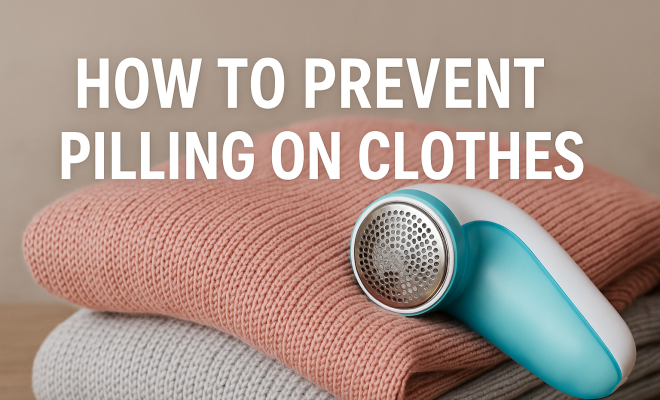
Having the right tools at your disposal can greatly aid in your efforts to prevent pilling on clothes. Fabric shavers, for instance, can safely and effectively remove pills from the surface of your garments without damaging the fabric underneath. These handheld devices are designed to gently cut away pills, leaving your clothing looking fresh.
Lint rollers also come in handy for quick touch-ups, allowing you to remove small pills and lint before they become too noticeable. Investing in quality tools will make maintaining your garments much easier and keep your wardrobe looking its best.
8. Understanding Fabric Blends: Mixing It Up for Durability
When shopping for clothing, pay attention to fabric blends. Certain blends can offer enhanced durability and reduce the likelihood of pilling. For instance, a cotton-polyester blend may provide the softness of cotton while adding the strength of polyester, which can help resist wear and tear.
Understanding how different materials interact with each other can also help you make informed decisions about your wardrobe. For example, 100% wool is more prone to pilling than a wool-acrylic blend. Consider incorporating a variety of fabric blends into your wardrobe to balance comfort, style, and durability.
9. Heed Care Labels: Following Manufacturer Instructions
It might seem like a no-brainer, but following care instructions on clothing labels is one of the most effective ways to prevent pilling on clothes. These labels provide specific guidelines on how to wash, dry, and maintain your garments to ensure they last as long as possible.
Manufacturers design care labels based on the fabric’s properties, so adhering to these instructions can help you avoid common pitfalls that lead to pilling. Whether it’s washing in cold water, avoiding bleach, or air-drying, these small steps can make a significant difference in prolonging the life of your clothes.
10. Know When to Let Go: Recognizing the Signs
Even with the best care, some clothes may eventually succumb to pilling. Knowing when to let go of a garment can be just as important as all the preventative measures in the world. If a piece of clothing becomes excessively pilled and can no longer be effectively maintained, it may be time to consider a replacement.
However, that doesn’t mean you can’t repurpose or recycle it. Many organizations accept old clothes for recycling, and some creative DIY projects can give new life to worn garments. Recognizing when a piece has reached its limit allows you to make room for new additions in your wardrobe without guilt.
11. Additional Tips for Pilling Prevention: More Ways to Protect Your Clothes
While the previous sections provide a solid foundation, there are additional strategies you can implement to further prevent pilling on clothes. Consider rotating your garments regularly. Wearing the same items frequently can lead to increased friction and wear. By rotating your outfits, you allow each piece time to rest and recover from the stresses of wear.
Additionally, be mindful of your accessories. Items like bags, belts, or even rough surfaces can cause friction against your clothes, leading to pilling. When shopping or when preparing to wear certain items, consider how these accessories will interact with your fabrics and try to minimize contact.
12. The Science Behind Pilling: Insights into Fabric Behavior
Understanding the science behind pilling can provide deeper insights into how to prevent it. Pilling primarily occurs due to the physical nature of the fibers used in textiles. Natural fibers tend to be more susceptible to pilling due to their inherent properties, like the shorter staple lengths of wool fibers compared to synthetic fibers, which can be longer and more uniform. This difference means that once they start to loosen, natural fibers are more likely to tangle and form pills.
Research has shown that the twist of the yarn also affects pilling. Tighter twists can help fibers remain intact and reduce the likelihood of pilling. This is why investing in well-constructed garments made from high-quality yarns can be beneficial in the long run. (See: Impact of fabric quality on wear.)
13. Statistics and Trends: The Pilling Phenomenon in Fashion
The issue of pilling impacts consumers widely. A recent survey indicated that over 60% of clothing buyers have experienced pilling on their garments at least once. This problem is particularly common in fast fashion, where lower quality fabrics are prevalent. Conducting a study on consumer behavior around pilling revealed that 75% of individuals would consider switching brands if a company’s clothing frequently pilled, highlighting the importance of quality in consumer choices.
The rise of sustainability in fashion also plays a role in the pilling conversation. As more brands pivot towards sustainable practices, there’s a growing emphasis on producing durable clothing that lasts longer and resists pilling. Brands that prioritize fabric quality and longevity are likely to appeal more to environmentally conscious consumers.
14. Expert Perspectives: Insights from Textile Specialists
Experts in textile science emphasize the importance of understanding fabric care. Dr. Maria A. Rodriguez, a textile specialist at the Institute of Fashion Technology, notes, “Consumers often overlook the impact of care methods on fabric longevity. Simple changes in how we wash and dry our clothes can significantly affect their lifespan.” She advocates for both consumer education and increased transparency from clothing manufacturers regarding fabric durability.
Additionally, fashion designer Julia Chen recommends investing in quality over quantity. “When you prioritize quality fabrics and proper care, you’re not just avoiding pilling; you’re making a sustainable choice that benefits both your wardrobe and the environment.” Her perspective reinforces the idea that prevention starts with informed purchasing decisions.
15. Frequently Asked Questions (FAQ)
What types of fabrics are more prone to pilling?
Common fabrics that are more susceptible to pilling include wool, cotton blends, and synthetic fabrics like polyester. The texture and length of the fibers play a significant role in how likely a fabric is to pill.
Can I remove pills from my clothes once they form?
Yes! You can use a fabric shaver, lint roller, or even a simple pair of scissors to carefully remove pills. Just be cautious to avoid damaging the fabric underneath.
Is pilling a sign of poor quality fabric?
While pilling can be more common in lower-quality fabrics, it can also occur in high-quality materials depending on how they are cared for. Proper maintenance can significantly reduce pilling, even in less durable fabrics.
How often should I wash my clothes to prevent pilling?
Washing clothes less frequently can help prevent pilling. You might only need to wash items after a few wears, especially if they are not visibly dirty or stained. Always follow specific care instructions as well.
Are there any specific detergent brands that help reduce pilling?
Using gentle detergents designed for delicate fabrics can help reduce friction during washes. Look for detergents that are free from harsh chemicals and sulfates, as these can weaken fibers over time.
Does ironing or steaming affect pilling?
Ironing or steaming can actually help reduce the appearance of pills if done gently. However, excessive heat can damage fibers, so always use the appropriate temperature setting for the fabric type.
Can fabric softeners help reduce pilling?
Yes, fabric softeners can be beneficial. They coat the fibers and reduce friction, which may help lessen pilling. However, be cautious; some fabric softeners can leave a residue that might hinder moisture-wicking properties in performance fabrics.
How do I know if my fabric is prone to pilling before I buy it?
Before purchasing, check the fabric composition. Natural fibers like wool and cashmere tend to be more prone to pilling, while tightly woven synthetic blends are less likely. Additionally, reviews and product information often indicate a garment’s durability. (See: Research on textile durability and pilling.)
What should I do if my clothes start pilling after a few washes?
If pilling occurs after just a few washes, it may indicate a quality issue with the fabric. Reach out to the retailer or manufacturer for advice, and consider using a fabric shaver to manage the appearance of your garments while continuing to care for them properly.
By following these strategies, you’ll be well-equipped to prevent pilling on clothes and keep your wardrobe looking fresh and vibrant. Prevention is key, and with a little care and attention to detail, you can enjoy your favorite garments for years to come.
16. Case Studies: Pilling and Consumer Experiences
Real-world experiences can shed light on the pilling phenomenon. For instance, a study conducted by a leading fashion retail group analyzed customer feedback over a year. It discovered that 80% of complaints about clothing were related to pilling, particularly among items bought from fast-fashion retailers. Customers expressed frustration over fabric quality and the lack of longevity in their purchases.
In contrast, a brand known for its sustainable practices reported significantly fewer complaints about pilling. Their use of higher-quality materials, such as organic cotton and responsibly sourced wool, contributed to longer-lasting clothing. Consumer surveys showed that 90% of customers felt more satisfied with their purchases when they didn’t experience pilling, leading to increased brand loyalty.
17. Environmental Impact of Pilling
Pilling not only affects the lifespan of your clothing but also has broader environmental implications. When garments pill and become unwearable, they’re often discarded, leading to textile waste. The fashion industry contributes to substantial waste each year, with millions of tons of clothing ending up in landfills.
By preventing pilling, you can help extend the life of your clothes and reduce waste. Choosing durable, sustainable materials and caring for them properly decreases the likelihood of needing replacements frequently. This aligns with the growing trend of eco-conscious consumers who prioritize sustainability in their buying decisions.
18. Future Trends in Fabric Technology
The textile industry is continuously evolving, and innovations are paving the way for new solutions to common issues like pilling. Researchers are exploring advanced textile treatments and durable fabric technologies that can withstand wear and tear while maintaining comfort. For example, some brands are now incorporating nanotechnology into their fabrics, creating smoother surfaces that resist pilling.
As consumers become more aware of quality and sustainability, it’s likely that the demand for advanced, durable fabrics will grow. Brands that invest in research and development to create high-performance fabrics are likely to gain a competitive edge in the market.
“`
Trending Now
Frequently Asked Questions
What causes pilling on clothes?
Pilling occurs when fibers in the fabric become loose and tangle together, forming small balls or 'pills.' This can happen due to friction from washing, drying, or everyday wear. Fabrics like wool, cotton blends, and some synthetic materials are more prone to pilling because of their fiber structure.
How can I prevent pilling on my clothes?
To prevent pilling, start by choosing high-quality fabrics that are durable and resistant to wear. Fabrics like tightly woven cotton, linen, and specially designed synthetic blends are less likely to pill. Additionally, washing clothes gently and avoiding high-friction situations can help maintain a smooth appearance.
Are certain fabrics more prone to pilling?
Yes, fabrics such as wool, cotton blends, and certain synthetic materials are more susceptible to pilling. Natural fibers like wool have a rough texture that can lead to pilling, while smoother fabrics like silk are generally less prone to this issue.
Does washing clothes cause pilling?
Yes, washing clothes can cause pilling, especially if the garments are subjected to harsh washing conditions. Friction during the wash cycle and drying process can loosen fibers, leading to the formation of pills. Using gentle wash cycles and avoiding overcrowded loads can help reduce this effect.
What types of clothing are least likely to pill?
Clothing made from tightly woven fabrics, such as high-quality cotton, linen, and certain synthetic blends, are least likely to pill. Choosing garments with durable construction and checking for labels that indicate resistance to pilling can help you maintain a smoother wardrobe.
Agree or disagree? Drop a comment and tell us what you think.