Best Backpacks for Preschoolers
“`html
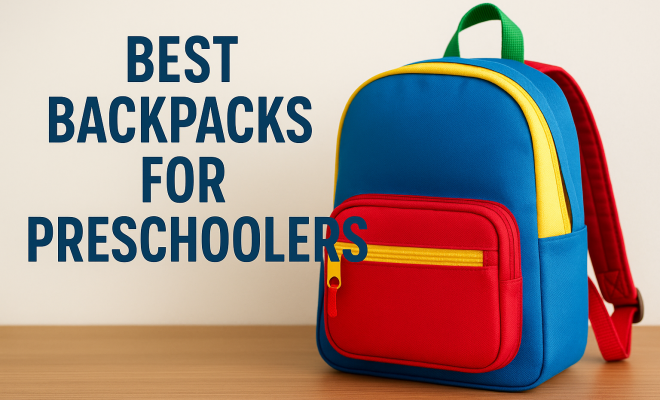
Choosing the right backpack for your preschooler can be a daunting task, especially with so many options available. The best backpacks for preschoolers not only need to look great but also be practical, comfortable, and safe for young children. In this comprehensive guide, we’ll explore the top backpacks that combine style and functionality, ensuring your little one is ready for their adventures in the classroom and beyond. Let’s dive into the essentials of selecting the perfect preschool backpack!
1. Functionality: Everything a Preschooler Needs
The first thing you should consider when selecting the best backpack for preschoolers is functionality. Young children often need to carry a variety of items including snacks, art supplies, and perhaps a change of clothes. Look for backpacks that feature multiple compartments to help your child stay organized. Zippers, pockets, and even side compartments for water bottles can make all the difference.
For example, a backpack with a main compartment for bulkier items and smaller pockets for easy access to snacks or personal items can help your child learn how to manage their belongings effectively. Easy-to-use zippers are also crucial; they should be manageable for little hands, making it simple for preschoolers to open and close their backpacks independently.
2. Size Matters: Finding the Right Fit
When it comes to the best backpacks for preschoolers, size is a critical factor. A backpack that is too large can be overwhelming and cumbersome, while one that is too small might not hold all the essentials. Generally, a backpack designed for preschoolers should have a capacity of around 10-14 liters. This size is typically suitable for carrying a few books, a lunchbox, and art supplies.
To ensure a proper fit, consider trying the backpack on your child. The shoulder straps should rest comfortably on their shoulders and the backpack should sit comfortably against their back. Ideally, the bottom of the backpack should be at or just above their waist. This not only promotes comfort but also helps to maintain good posture as they carry their load.
3. Comfort is Key: Ergonomic Designs
Comfort is paramount when it comes to selecting the best backpacks for preschoolers. Young children may not yet understand the importance of good posture or ergonomics, so it’s up to parents to choose a backpack that promotes healthy habits. Look for backpacks with padded shoulder straps and back panels; this will distribute weight evenly and reduce strain on their young backs.
Additionally, adjustable straps can offer flexibility as your child grows. Some backpacks even come with cushioned back support, which can help prevent discomfort during longer days at school. Remember, a comfortable backpack can enhance your preschooler’s experience, making them more eager to take it along each day.
4. Materials Matter: Durability and Safety
The materials used in constructing a backpack can greatly affect its durability and safety. Look for backpacks made from high-quality, non-toxic materials that can withstand the wear and tear of daily use. Many brands now offer backpacks made from recycled materials, which not only provide strength but also promote sustainability.
Water-resistant materials are also a plus, especially in case of spills or unexpected rain. Additionally, ensure that any zippers or buckles are made of sturdy, non-toxic materials. Safety features such as reflective strips can also enhance visibility, especially during early morning or late evening outings.
5. Style and Personalization: Letting Kids Shine
While functionality and comfort are important, don’t underestimate the appeal of style when choosing a backpack for your preschooler. Children love to express their individuality, and the best backpacks for preschoolers come in a variety of colors, patterns, and even character themes.
Allowing your child to choose a backpack featuring their favorite character or design can make them excited about heading to school. Some brands even offer customizable options, allowing kids to add their names or select patches that reflect their interests. This not only fosters a sense of ownership but also makes the transition to school a little more fun.
6. Weight Considerations: Light Enough for Little Shoulders
Another critical aspect to keep in mind is the weight of the backpack itself. The best backpacks for preschoolers should be lightweight, as young children have limited strength and stamina. Ideally, the backpack should weigh no more than 10% of your child’s body weight when filled. This helps prevent fatigue and strain on their developing muscles. (See: CDC on child safety and backpacks.)
When shopping, look for options that are both sturdy and light. Materials like nylon can offer durability without adding unnecessary weight. Additionally, consider the total weight when filled; avoid heavy textbooks or supplies when packing the backpack to keep it manageable for a young child.
7. Top Brands to Consider for Preschool Backpacks
With so many brands on the market, it’s worth exploring some of the leading names in preschool backpacks. Look for brands renowned for combining quality, safety, and style. Here are a few to consider:
- Skip Hop: Known for their fun and functional designs, Skip Hop offers a range of animal-themed backpacks that are perfect for preschoolers.
- Pottery Barn Kids: Offering customizable options and durable materials, Pottery Barn Kids has a variety of stylish and practical backpacks.
- JanSport: A classic brand with a reputation for quality, JanSport makes lightweight yet durable backpacks that come in a multitude of colors.
- Disney: For the little ones who love characters, Disney backpacks offer beloved faces and bright designs, encouraging kids to express their personalities.
Consider checking reviews and recommendations for these brands, as current parents often share their experiences, helping you make an informed decision.
8. Current Trends in Preschool Backpacks
The world of preschool backpacks is continuously evolving, with trends that reflect both functionality and fashion. Currently, eco-friendly materials are gaining traction as parents become more environmentally conscious. Backpacks made from recycled plastics or organic cotton are becoming increasingly popular, offering sustainable options for eco-minded families.
Another trend is the incorporation of technology, such as backpacks with built-in USB ports for charging devices on the go. Additionally, multifunctional designs that can be transformed from a backpack into a tote or messenger bag are appealing for parents looking for versatility.
9. Tips for Choosing the Right Backpack
Selecting the best backpack for your preschooler can be simplified by following a few practical tips. First, involve your child in the process—let them have a say in the style and design. This not only empowers them but also makes them more likely to use the backpack happily.
Secondly, prioritize comfort and fit over aesthetics. While it might be tempting to go for a trendy design, ensuring that the backpack is practical and easy for your child to wear should be your foremost concern. Lastly, don’t forget to read reviews and check return policies. If the backpack doesn’t work out for your child, you’ll want to have options available.
When you consider all these factors, you’re setting your child up for a successful and enjoyable school year. Finding the perfect backpack is about balancing style, comfort, and practicality—so explore your options and choose wisely!
10. Safety Features to Look For
As a parent, safety is always top of mind. When choosing the best backpacks for preschoolers, it’s essential to look for safety features that can help keep your child secure. Reflective strips are an excellent addition, as they enhance visibility in low-light conditions, making it easier for drivers to see your little one when they are walking to or from school. This feature is particularly important during the darker months of the year.
Additionally, consider backpacks with safety buckles or clips that are easy for adults to open but challenging for young children. This can prevent them from accidentally opening compartments while in transit, ensuring that items remain secure. Furthermore, look for backpacks that are free from small parts or sharp edges, which could pose a choking hazard or cause injury.
11. Understanding the Needs of Preschoolers
Understanding the specific needs of preschoolers can significantly aid in the selection process. At this age, children are developing their motor skills and independence, so a backpack that encourages both is ideal. Look for designs that allow easy access to items without the child needing to struggle. Large zippers or magnetic closures can be particularly beneficial.
Consider the types of items they will be carrying. Are they likely to bring home art projects? A bag with a larger main compartment and less structure may be better suited for this. If they are taking lunch or snacks, ensure the backpack has an insulated compartment to keep food fresh. Understanding what your child needs day-to-day can help you make a more informed decision.
12. How to Clean and Maintain Your Preschool Backpack
Once you’ve selected the best backpack for your preschooler, it’s essential to know how to keep it clean and in good condition. Many backpacks are machine washable, but it’s always advisable to check the care label first. If the backpack is not machine washable, a damp cloth with mild detergent can often do the trick for spot cleaning.
Also, taking care of the zippers is crucial. Regularly check for any debris that may get stuck and clean it out to prevent the zippers from breaking. Make it a habit to empty out the backpack regularly, allowing you to check for any leftover snacks or forgotten items that could create odors or attract pests. Teaching your child to help maintain their backpack can also foster a sense of responsibility and care for their belongings. (See: NIH on child development and learning.)
13. Where to Buy the Best Backpacks for Preschoolers
When it comes to shopping for the best backpacks for preschoolers, both online and brick-and-mortar stores offer a plethora of options. Popular retailers such as Target, Walmart, and Amazon provide a wide selection, often accompanied by customer ratings and reviews that can guide your decision.
Local stores can also be beneficial, allowing you to see the backpack in person and assess its size, weight, and fit on your child. Don’t hesitate to visit specialty stores that focus on children’s products, as they may offer unique selections or knowledgeable staff who can provide personalized recommendations. There’s a fuller look at math apps for kids.
Additionally, consider looking for sales or seasonal discounts. Many retailers offer promotions leading up to the back-to-school season, allowing you to find quality backpacks at more affordable prices.
14. Frequently Asked Questions (FAQ)
What is the best size for a preschool backpack?
The best size for a preschool backpack typically ranges from 10-14 liters in capacity. This size ensures that it’s not too bulky for a young child while still providing enough room for books, snacks, and other essentials.
How can I get my child involved in the backpack selection process?
Involve your child by allowing them to choose their favorite colors, designs, or characters. Take them shopping with you or show them online options. This involvement promotes their enthusiasm and makes them feel valued in the decision-making process.
Are there backpacks that are machine washable?
Yes, many backpacks are machine washable. However, it’s essential to read the care instructions on the label to ensure proper cleaning without damaging the material. If machine washing is not recommended, spot cleaning may be a suitable alternative.
What weight should a filled backpack not exceed for preschoolers?
A filled backpack should generally not exceed 10% of your child’s body weight. This guideline helps prevent strain on their developing muscles and promotes better posture while carrying it.
Are there eco-friendly options for preschool backpacks?
Absolutely! Many brands now offer eco-friendly backpacks made from recycled materials or organic cotton. These options are great for environmentally conscious families looking to reduce their carbon footprint while providing their children with quality products.
What should I do if my child’s backpack is too heavy?
If your child’s backpack seems too heavy, assess what items are inside and eliminate unnecessary ones. Consider packing only essential items for school and encourage your child to use their locker or cubby to store additional supplies. If the issue persists, it might be time to look for a lighter backpack or one with better weight distribution features.
How often should I replace my child’s backpack?
Typically, a well-maintained backpack can last a few years, but it’s wise to replace it if you notice significant wear and tear, such as broken zippers, worn straps, or if it no longer fits your child well. Regularly evaluate its condition as your child grows.
15. Additional Features to Consider
When searching for the best backpacks for preschoolers, additional features can enhance functionality and ease of use. For instance, detachable parts can be very useful; some backpacks come with removable lunch bags or toy compartments, which can be helpful for separating school supplies from snacks or personal items.
Another key feature is the presence of pockets. A front pocket is ideal for quick access to items like tissues or small toys, while side pockets are perfect for water bottles. Some backpacks even have hidden pockets for valuables, adding an extra layer of security.
Consider the ease of cleaning as well. Look for backpacks made from materials that are easy to wipe down or machine-washable. This consideration is especially important for preschoolers who may accidentally spill snacks or drinks inside their bags.
16. Expert Opinions on Preschool Backpacks
To gain further insight, we consulted child development experts about the importance of choosing the right backpack. Dr. Anna Smith, a pediatric occupational therapist, stresses the significance of weight distribution: “A well-fitted backpack is crucial for a child’s developing body. It should distribute weight evenly across the back and shoulders to avoid strain.”
Additionally, Dr. Smith highlights the developmental benefit of letting children choose their backpacks: “When kids have ownership over their belongings, it fosters independence and responsibility. They’re more likely to engage with items they’ve chosen themselves.” This underscores the idea that allowing children to select their backpacks can have positive effects beyond mere aesthetics.
17. Real Parent Reviews
Hearing from other parents can be invaluable during your search for the best backpacks for preschoolers. Consider checking online reviews or parenting forums to gather insights from those who have already made their purchases.
One parent, Sarah Jones, notes, “I chose a Skip Hop backpack for my son, and he loves it! The design is adorable, and it fits all his supplies without being too heavy. He can easily manage it on his own.”
Another parent, Mark Lee, shares, “I opted for a Pottery Barn Kids backpack because it’s customizable. My daughter is thrilled to have her name on it, and I appreciate the quality. It’s held up well through the school year and several playdates.”
These personal experiences can help you gauge how different backpacks hold up in real-life scenarios, providing you with a clearer picture of which options may work best for your child.
18. Final Considerations
In selecting the best backpack for preschoolers, remember that this decision goes beyond mere style; it’s about finding a balance between functionality, comfort, and safety. Take the time to involve your child in the process, as their excitement is a significant factor in making school a positive experience.
With a little research and consideration of all the factors we’ve discussed—from size and weight to materials and safety features—you can confidently choose a backpack that will serve your child well throughout the school year. Happy shopping!
“`
Trending Now
Frequently Asked Questions
What should I look for in a preschool backpack?
When choosing a preschool backpack, prioritize functionality, size, and comfort. Look for multiple compartments for organization, easy-to-use zippers for little hands, and a size that fits your child comfortably. A good capacity is around 10-14 liters, which should accommodate books, lunch, and supplies.
How big should a preschool backpack be?
A preschool backpack should ideally have a capacity of 10-14 liters. This size allows for carrying essential items like snacks, books, and art supplies without being too large or overwhelming for young children.
Are there specific features that preschool backpacks should have?
Yes, preschool backpacks should have features like multiple compartments for organization, side pockets for water bottles, and easy-to-use zippers. These elements help children manage their belongings and promote independence.
What is the best way to fit a backpack on a preschooler?
To fit a backpack on a preschooler, ensure the shoulder straps rest comfortably on their shoulders and the backpack sits snugly against their back. Testing the fit in-store can help find the most comfortable option for your child.
Why is it important for a backpack to be comfortable for preschoolers?
A comfortable backpack is essential for preschoolers to ensure they can carry their belongings without strain. Proper fit and lightweight materials help prevent discomfort and encourage kids to use their backpacks independently.
What's your take on this? Share your thoughts in the comments below — we read every one.