Best Robotics Kits for Students
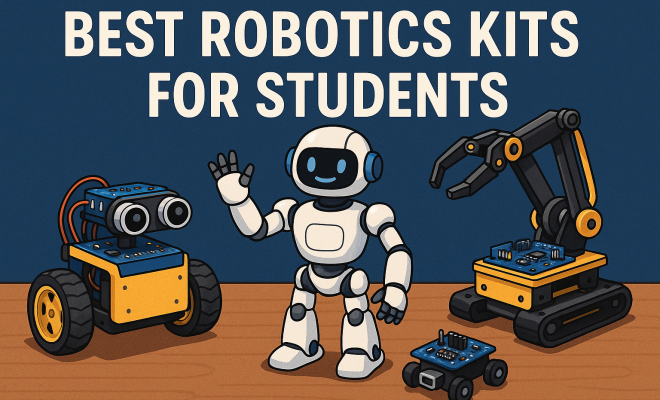
As technology continues to advance, the interest in robotics has skyrocketed among students. Robotics kits for students are not just a fun hobby; they offer a hands-on approach to learning about science, technology, engineering, and mathematics (STEM). These kits allow students to engage in problem-solving, develop critical thinking skills, and work collaboratively on projects. Let’s explore the eight best robotics kits for students in 2023 that can help foster creativity and innovation.
1. LEGO Mindstorms Robot Inventor
LEGO has long been a favorite among builders and creators, and their Mindstorms Robot Inventor kit is no exception. Designed for students aged 10 and up, this robotics kit allows users to build and program various robots using LEGO bricks. The kit includes over 900 pieces, enabling the construction of multiple robot designs.
One of the key features of the LEGO Mindstorms Robot Inventor is its intuitive programming platform. Students can use a block-based coding language, so they don’t need extensive programming knowledge to get started. This makes it a fantastic entry point for beginners. The kit also includes a companion app with tutorials and challenges that guide learners through the programming process.
Furthermore, LEGO offers an active online community where students can share their creations and seek advice. This fosters a sense of belonging and encourages collaboration among young inventors. Engaging with peers in this way not only enhances learning but also helps develop communication skills that are essential in any career. This builds on fostering problem-solving skills.
2. VEX Robotics V5 Starter Kit
The VEX Robotics V5 Starter Kit is geared toward older students, particularly those in middle and high school. It provides a comprehensive introduction to robotics and engineering concepts. This kit includes a variety of sensors, motors, and structural components that give students the flexibility to design and build customized robots.
With its advanced programming capabilities, the V5 allows for both block-based and text-based programming. Students can use VEXcode to create sophisticated programs that control their robots. Furthermore, VEX organizes competitions that encourage teamwork and problem-solving, making it ideal for students looking to apply their skills in real-world scenarios.
The competitive aspect of VEX Robotics adds an exciting dimension to learning. Students can participate in tournaments where they showcase their robots’ capabilities, competing against their peers in a friendly but intense environment. This not only motivates them to improve their designs but also instills a spirit of perseverance and resilience.
3. Makeblock mBot Robot Kit
Perfect for younger students, the Makeblock mBot Robot Kit is user-friendly and designed for ages 8 and up. This kit introduces students to basic robotics and programming through an engaging and interactive platform. The mBot can be programmed via mBlock software, which uses a Scratch-like interface, making it easy for beginners to grasp coding concepts.
One of the standout features of the mBot is its ability to follow lines, avoid obstacles, and even respond to remote controls. Students can also expand their learning by using additional sensors and modules that are compatible with the mBot, enhancing the educational experience and allowing for more complex projects.
The mBot also incorporates a game-like learning experience, where students can create challenges that encourage exploration and experimentation. For teachers, this makes it an excellent tool for interactive and engaging lessons that can hold students’ attention and spark their interest in technology. (See: importance of robotics in education.)
4. Thymio V3 Educational Robot
The Thymio V3 is another excellent robotics kit for students, particularly in early education settings. Its unique design and user-friendly approach to programming make it suitable for children aged 5 and up. The Thymio robot can be programmed through various methods, including a visual programming interface, text-based programming, and even direct interactions with the robot using buttons.
One of the advantages of the Thymio V3 is its built-in sensors, which allow it to interact with its environment. Students can explore concepts like robotics, programming, and automation in a hands-on way, largely contributing to their understanding of STEM topics. Thymio also hosts various challenges and competitions, promoting collaborative learning among students.
The robot’s design encourages curiosity and experimentation, providing a safe space for young learners to make mistakes and learn from them. Teachers can integrate the Thymio V3 into their curriculum by creating projects that align with various subjects, making it a versatile educational tool.
5. Ozobot Bit 2.0
For students interested in coding and color, the Ozobot Bit 2.0 is an ideal choice. This tiny robot can detect colors, which means students can create color-coded paths for the Ozobot to follow. The kit encourages creativity and problem-solving by allowing students to design their own courses and obstacles.
In addition to color coding, the Ozobot can be programmed using a block-based language. This versatility makes it suitable for a range of ages, from elementary through middle school. The Ozobot’s compact size and interactive nature make it a fun and engaging way for students to learn the basics of programming and robotics.
Ozobot also provides additional resources, including lesson plans and online challenges, which can be beneficial for teachers looking to incorporate robotics into their classrooms. By using the Ozobot, students can engage in activities that develop logical thinking and creativity, essential skills for the future job market. See also understanding STEM education.
6. Botley 2.0 the Coding Robot
Designed for younger students, Botley 2.0 introduces kids as young as 5 years old to coding without the need for screens. This robotics kit enables students to program Botley using simple directional commands, teaching them the basics of coding logic. The kit comes with various accessories, including obstacle courses and activity cards that promote hands-on learning.
Botley 2.0 is unique in that it fosters problem-solving skills and creativity while keeping the experience screen-free. With 77 pieces in the kit, students can engage in numerous challenges that further enhance their understanding of robotics and coding concepts.
The screen-free aspect is particularly beneficial for young learners, as it allows them to focus on the tactile and interactive elements of coding. Teachers can integrate Botley 2.0 into math or logic lessons, creating a comprehensive learning experience that bridges different subjects and encourages collaborative group work.
7. Snap Circuits Jr. SC-100
While not a traditional robotics kit, Snap Circuits Jr. SC-100 is an excellent introduction to electronics and basic engineering principles. This kit allows students to create working circuits using snap-together components, which can be used to power robotic designs. It’s suitable for children aged 8 and up and offers a hands-on learning experience. (See: STEM education and robotics.)
Students can create over 100 different projects with the Snap Circuits Jr. kit, ranging from simple circuits to more complex electronics. By integrating this kit with robotics projects, students can gain a deeper understanding of how electronics and robots work together, enhancing their overall learning experience.
Incorporating Snap Circuits in the curriculum encourages experimentation; students can modify their designs and troubleshoot issues, honing their critical thinking skills. The visual nature of Snap Circuits also helps students grasp abstract concepts related to electricity and circuitry, bridging the gap between theory and practice.
8. Raspberry Pi Starter Kit
For students interested in programming and computer science, a Raspberry Pi Starter Kit is a fantastic choice. This kit allows students to build their own mini-computer and learn coding skills through hands-on projects. While it’s not strictly a robotics kit, the Raspberry Pi can be integrated into many robotics projects, making it an invaluable tool for budding engineers.
The Raspberry Pi supports various programming languages, including Python, which is widely used in the robotics field. Students can create robots that respond to commands, collect data from sensors, and even interact with other devices. The versatility of the Raspberry Pi makes it a powerful educational tool for students pursuing interests in both robotics and computer science.
Moreover, the Raspberry Pi community is vast, with countless resources, forums, and projects available online. This gives students the opportunity to learn from others, share their work, and continuously challenge themselves with new projects and ideas. There’s a fuller look at new research center opening.
Benefits of Robotics Kits for Students
Engaging with robotics kits provides a multitude of benefits that go beyond just building robots. These kits encourage students to:
- Enhance Critical Thinking: By troubleshooting issues and solving problems during the building process, students develop critical thinking skills that are applicable in all areas of life.
- Encourage Teamwork: Many robotics projects require collaboration, teaching students how to work effectively in teams, communicate their ideas, and respect diverse viewpoints.
- Stimulate Creativity: As students design and create their own robots, they are encouraged to think outside the box and innovate, skills that are essential in today’s technology-driven world.
- Boost Confidence: Successfully completing robotics projects fosters a sense of accomplishment, building confidence and encouraging students to tackle more complex challenges in the future.
Future Trends in Robotics Education
The field of robotics is evolving rapidly, and so is the way it’s taught in educational settings. Here are some trends that are shaping the future of robotics education:
- Integration of Artificial Intelligence: As AI becomes more prevalent, educational robotics kits are starting to integrate AI components. This allows students to build robots that can learn and adapt, further enhancing their programming and engineering skills.
- Increased Accessibility: With the rise of affordable robotics kits, more students have the opportunity to engage in robotics education. This democratization of technology is crucial in creating a more diverse and inclusive future in STEM fields.
- Focus on Interdisciplinary Learning: Robotics education is increasingly being integrated with other subjects like art, literature, and social studies. This interdisciplinary approach allows students to see the real-world applications of robotics in various fields.
- Remote Learning Opportunities: The COVID-19 pandemic accelerated the adoption of online learning. Robotics courses are now available in virtual formats, making it easier for students to learn from anywhere in the world.
Frequently Asked Questions (FAQ)
What age group are robotics kits suitable for?
Robotics kits come in various designs catering to different age groups. Many kits are available for children as young as 5, while others are suited for older students. Always check the recommended age on the packaging before purchasing.
Do students need prior coding experience to use robotics kits?
No prior coding experience is typically required for most entry-level robotics kits. Many kits utilize block-based programming, which is designed to be intuitive and accessible for beginners. As students progress, they can explore more advanced coding languages.
Can robotics kits be used in the classroom?
Absolutely! Many teachers incorporate robotics kits into their curriculum to enhance engagement and promote hands-on learning. Robotics can be integrated into subjects like math, science, and technology, making lessons more interactive.
Are robotics competitions worth participating in?
Yes! Participating in robotics competitions can provide students with invaluable experience. It encourages teamwork, problem-solving, and application of skills in real-world scenarios. Additionally, competitions can boost motivation and improve students’ technical skills.
How can I encourage my child to pursue robotics?
Encourage your child by providing access to various robotics kits and resources. Attend workshops, competitions, or maker fairs together. Most importantly, support their interests and celebrate their achievements, no matter how small.
Additional Learning Resources for Robotics
To further enhance the robotics education experience, consider exploring these additional resources:
- Online Courses: Websites like Coursera, Udemy, and Khan Academy offer courses on robotics, programming, and electronics that can complement the hands-on experience of robotics kits.
- YouTube Tutorials: Many content creators provide detailed tutorials on programming and building robots. These videos can serve as valuable guides for students looking to expand their skills.
- Books and E-books: There are numerous books available that cover the fundamentals of robotics and programming. Some popular titles include “Robot Programming in 10 Lines” and “Python for Kids.”
- Community Workshops: Local libraries, community centers, and schools often host workshops or clubs focused on robotics. Participating in these can provide students with hands-on experience and networking opportunities.
Real-World Applications of Robotics
Understanding the practical applications of robotics can ignite students’ passion for the subject. Here are a few examples of how robotics is being used in various fields:
- Healthcare: Robotics is revolutionizing the medical field with surgical robots, rehabilitation robots, and robotic prosthetics, improving patient care and recovery times.
- Manufacturing: Industrial robots are employed for tasks such as assembly, welding, and painting, enhancing efficiency and precision in production lines.
- Agriculture: Robots are used for tasks like planting, harvesting, and monitoring crops, leading to increased productivity and reduced labor costs.
- Space Exploration: Robots are essential in missions to explore other planets, as they can perform tasks in environments that are too dangerous for humans.
The Importance of Robotics in Future Careers
As industries increasingly adopt automation and robotics, students with skills in these areas will be at a significant advantage in the job market. Here’s why robotics education is crucial for future careers:
- High Demand for STEM Skills: Many jobs in the future will require a strong foundation in STEM. Exposure to robotics helps students develop these essential skills early on.
- Problem-Solving Mindset: Working with robotics fosters a mindset geared toward finding solutions, a trait that is valuable in any career path.
- Interdisciplinary Skills: Robotics education incorporates various subjects. Understanding the intersection of technology, design, and programming prepares students for diverse roles.
- Innovation and Entrepreneurship: Students who learn robotics may be inspired to create their own products or start their own companies in the tech space, driving innovation.
Conclusion
Robotics kits for students are an excellent way to spark interest in STEM fields, encouraging creativity and problem-solving skills. Each of the kits mentioned offers unique features catering to different age groups and skill levels, allowing students to explore their interests in robotics and technology. Whether you’re looking for a beginner’s kit or something more advanced, there’s a robotics kit out there to inspire the next generation of innovators. We covered boosting student engagement with tech in more detail.
Trending Now
Frequently Asked Questions
What are the best robotics kits for students?
Some of the best robotics kits for students in 2023 include the LEGO Mindstorms Robot Inventor and the VEX Robotics V5 Starter Kit. These kits provide hands-on learning experiences in STEM fields and cater to different age groups and skill levels.
What age group is the LEGO Mindstorms Robot Inventor suitable for?
The LEGO Mindstorms Robot Inventor kit is designed for students aged 10 and up. It offers an intuitive programming platform that allows beginners to easily engage with robotics and coding.
How do robotics kits help students learn?
Robotics kits help students learn by providing hands-on experiences that enhance problem-solving and critical thinking skills. They also encourage collaboration and communication as students work together on projects and share their creations.
What features does the VEX Robotics V5 Starter Kit offer?
The VEX Robotics V5 Starter Kit includes a variety of sensors, motors, and structural components that allow students to design and build custom robots. It serves as a comprehensive introduction to robotics and engineering concepts for middle and high school students.
Can beginners use robotics kits effectively?
Yes, beginners can effectively use robotics kits like the LEGO Mindstorms Robot Inventor, which employs a block-based coding language. This user-friendly approach makes it accessible for students with little to no prior programming experience.
Agree or disagree? Drop a comment and tell us what you think.