Best Sensory-Friendly School Supplies
“`html
As the school year approaches, parents often find themselves faced with the challenge of selecting the right school supplies for their children. For some, particularly those with sensory sensitivities, the choice of supplies can make a significant difference in their learning experience. Sensory-friendly school supplies are designed to minimize discomfort and enhance focus for students who may struggle with traditional items. In this article, we’ll delve into the best sensory-friendly school supplies, why they matter, and how they can transform the classroom experience for children with sensory processing challenges.
1. Fidget Tools: Helping to Focus
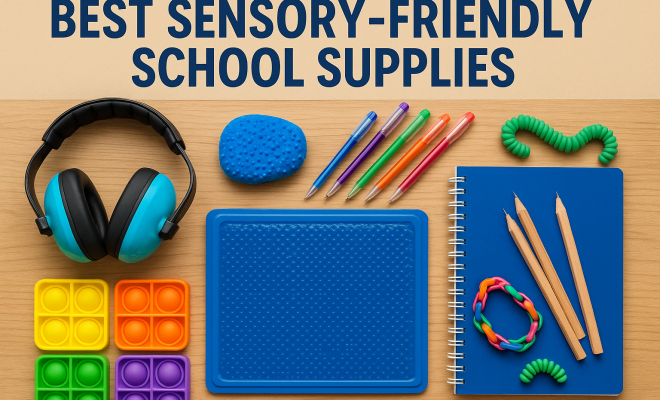
Fidget tools are a game-changer for students with sensory sensitivities. These small, handheld devices can be incredibly beneficial, providing an outlet for restless energy and improving concentration. Options range from simple stress balls to more complex fidget spinners and cubes that offer various tactile experiences.
For instance, a weighted fidget cube can help a student with anxiety remain calm and focused during lessons by giving them something to do with their hands. Similarly, pop-it fidget toys have gained popularity due to their satisfying tactile feedback, making them a perfect classroom companion. Research indicates that these tools can help students channel their excess energy constructively, allowing them to engage more effectively in learning activities.
2. Noisy Classroom? Try Noise-Canceling Headphones
Noisy environments can be particularly overwhelming for students with sensory sensitivities. Noise-canceling headphones are an essential item for creating a more controlled auditory experience. These headphones can drown out background noise, allowing students to focus on their work without distractions.
Brands like Bose and Sony offer high-quality options that not only block out noise effectively but are also comfortable enough for extended wear. For students who may struggle with auditory processing, having the ability to tune out distracting sounds can lead to improved academic performance and overall well-being. Some schools even allow these headphones to be worn during tests, ensuring that students can perform at their best.
3. Textured and Weighted Items: The Power of Tactile Feedback
For many students, the texture of school supplies can significantly impact their comfort and focus. Items like textured notebooks or weighted pencils can provide calming sensory input that helps improve concentration. Weighted tools, in particular, can have a grounding effect, making them especially useful for students who require a little extra support.
Weighted blankets have already proven effective for calming anxiety and are now being adapted for school use. For instance, weighted lap pads can help students feel more secure while sitting at their desks, reducing fidgeting and improving focus. Incorporating these sensory-friendly materials into the classroom creates an environment conducive to learning and emotional stability. See also complete guide to sensory spaces.
4. Color-Coded Organizers: Easing Overwhelm
Color organization can be a tremendous asset for students who find traditional organizational methods overwhelming. Color-coded binders, folders, and labels can make it easier for children to find what they need without feeling frustrated. This method not only aids in organization but also enhances visual learning and memory.
Using different colors to represent subjects allows students to quickly identify materials for each class, reducing the time spent searching through chaotic backpacks or desks. Moreover, this color-coding strategy can be incorporated into daily routines, helping students develop better organizational skills that are crucial for academic success.
5. Specialized Writing Tools: Creating Comfort in Expression
Choosing the right writing tools can make a world of difference for students who struggle with fine motor skills or sensory sensitivities. Specialized pencils and pens, such as those with ergonomic grips or varying thicknesses, can enhance comfort and ease of use. For instance, thicker pencils or those with a triangular shape can provide better stability and control, making it easier for students to write without discomfort. (See: CDC on sensory processing challenges.)
Additionally, gel pens with smooth ink flow can reduce the friction associated with writing, making it a less stressful experience. These tools not only promote better writing but also enable students to express their thoughts and ideas more freely, which is crucial for their development.
6. Calming Classroom Decor: Setting the Right Mood
Beyond individual supplies, the overall classroom environment plays a critical role in a student’s ability to learn. Sensory-friendly classrooms often incorporate calming colors, soft lighting, and organized spaces to minimize sensory overload. Wall colors in soft pastels can help reduce anxiety and promote a sense of calm, while strategic placement of items can assist in minimizing distractions.
Creating reading nooks or quiet corners equipped with bean bags or soft seating gives students a safe space to retreat when they feel overwhelmed. This type of environment not only supports sensory-sensitive students but enhances the learning experience for all students, promoting peace and focus in the classroom.
7. Adaptive Technology: Embracing Modern Solutions
Technology has made significant strides in creating sensory-friendly learning environments. Adaptive technology, like speech-to-text software and specialized tablets, can provide alternative methods for students to engage with their lessons. These tools can help bridge gaps for students who may struggle with traditional learning materials, offering them personalized ways to succeed.
For example, using tablets equipped with styluses can allow students to write and draw without the pressure of traditional writing instruments. Programs that offer visual schedules or reminders can also help students with executive functioning challenges stay organized and on task, making the classroom experience more manageable.
8. Community and Support: Building an Inclusive Environment
To truly create a sensory-friendly school environment, it’s crucial to foster a culture of understanding and support. Training teachers and staff to recognize and respond to sensory needs can make a significant impact. Schools can implement programs that educate staff on the importance of sensory-friendly practices and equip them with strategies to assist students effectively.
Additionally, involving parents in the conversation helps create a collaborative approach to supporting students with sensory sensitivities. Open communication fosters understanding, and by working together, schools and families can develop strategies that ensure every student feels safe and supported in their learning environment.
9. Importance of Sensory-Friendly Supplies
Sensory-friendly school supplies do more than just cater to individual preferences; they play a crucial role in holistic educational approaches. Studies have shown that students with sensory processing issues often face higher levels of anxiety and distraction in traditional classroom settings, which can hinder their learning. By implementing sensory-friendly items, schools can create an environment that not only accommodates but celebrates neurodiversity.
According to a report by the National Center for Learning Disabilities, approximately 1 in 5 children in the U.S. experience learning and attention issues. These children can benefit immensely from sensory adaptations in their learning environment. When sensory needs are met, students are more likely to participate actively in class, complete assignments, and develop a positive attitude toward learning.
10. Statistics on Sensory Processing Challenges
Understanding the scale of sensory processing challenges can help educators and parents appreciate the need for sensory-friendly school supplies. A survey conducted by the Sensory Processing Disorder Foundation found that 1 in 20 children are affected by sensory processing disorder (SPD). This condition can manifest in various ways, including sensitivity to sounds, textures, and visual stimuli, all of which can be mitigated by thoughtful supply choices. (See: NIH on sensory processing treatment.)
Furthermore, research shows that approximately 70% of children with autism spectrum disorder (ASD) exhibit some level of sensory processing difficulties. This statistic underscores the importance of incorporating sensory-friendly supplies into classrooms to support these students adequately.
11. Expert Perspectives on Sensory-Friendly Supplies
Experts in child psychology and education emphasize the importance of sensory-friendly supplies as a key element in fostering inclusive education. Dr. Temple Grandin, a well-known advocate for autism awareness, suggests that providing sensory-friendly tools is vital for helping students cope with the overwhelming nature of traditional classrooms.
Moreover, occupational therapists often recommend tactile and visually calming items for students with sensory needs. They assert that having access to these supplies empowers students, giving them the tools they need to self-regulate their sensory experiences. This empowerment can lead to improved focus and engagement, ultimately enhancing educational outcomes.
12. Examples of Sensory-Friendly School Supplies
When considering sensory-friendly school supplies, a variety of options are available that cater to specific needs:
- Soft-textured notebooks: These can reduce tactile discomfort for students sensitive to certain textures.
- Weighted lap pads: As mentioned earlier, these can provide calming pressure and help students concentrate.
- Pressure-sensitive pens: These allow students to write with varied pressure, making it easier for those with fine motor difficulties.
- Quiet scissors: Designed to minimize noise, these are ideal for students who are sensitive to sounds.
These examples illustrate just how broad the selection of sensory-friendly school supplies can be, catering to a wide range of sensory preferences.
13. Tips for Choosing Sensory-Friendly School Supplies
When selecting sensory-friendly school supplies, consider the following tips to ensure you meet your child’s specific needs:
- Assess Sensory Preferences: Observe your child’s reactions to various textures, sounds, and colors. Understanding their preferences can guide your purchasing decisions.
- Consult with Professionals: Engage with teachers, occupational therapists, or special education experts who can recommend suitable products based on your child’s challenges.
- Experiment: Don’t hesitate to try out a variety of supplies. What works best can vary significantly from child to child, so a little trial and error may be necessary.
- Involve Your Child: Encourage your child to participate in the selection process. This will not only help them feel empowered but also increase their likelihood of using the supplies effectively.
14. Benefits of Sensory-Friendly School Supplies
Investing in sensory-friendly school supplies offers numerous benefits that extend beyond mere comfort. These supplies can enhance learning experiences and foster positive emotional responses in students. Here are some key advantages:
- Improved Focus: When students can manage sensory overload or discomfort, they’re better able to concentrate on lessons and tasks.
- Reduced Anxiety: Familiar, sensory-friendly tools can help students feel more secure, thus alleviating feelings of anxiety often associated with school environments.
- Enhanced Engagement: Sensory-friendly supplies encourage active participation, making learning more interactive and enjoyable for students.
- Better Social Interactions: When students feel comfortable in their environment, they’re more likely to engage with peers, fostering friendships and teamwork.
15. FAQ: Sensory-Friendly School Supplies
What are sensory-friendly school supplies?
Sensory-friendly school supplies are items designed to accommodate students with sensory processing challenges. They often feature calming textures, reduced noise levels, and ergonomic designs that help minimize discomfort and promote focus.
Why are sensory-friendly supplies important in schools?
These supplies help create an inclusive learning environment where all students can thrive. By addressing sensory needs, schools can reduce anxiety, improve concentration, and enhance overall educational experiences.
How can I identify if my child needs sensory-friendly supplies?
Signs may include difficulty focusing, increased anxiety in crowded or noisy environments, or sensitivity to certain textures. Observing your child’s reactions to various school supplies can also provide insights into their sensory preferences.
Are sensory-friendly supplies more expensive than traditional supplies?
While some sensory-friendly items may have a higher initial cost, many options are comparably priced to standard supplies. Investing in these tools can yield long-term benefits in terms of student engagement and learning outcomes.
Can sensory-friendly supplies benefit all students?
Absolutely! While they’re particularly helpful for students with sensory sensitivities, many sensory-friendly supplies can enhance the learning experience for all students by promoting a more comfortable and supportive classroom environment.
How can schools implement sensory-friendly practices?
Schools can take various steps to implement sensory-friendly practices, including providing professional development for staff, creating sensory-friendly spaces within classrooms, and collaborating with parents to understand the needs of individual students. There’s a fuller look at focus exercises for better concentration.
What types of sensory-friendly supplies are best for younger children?
Younger children often benefit from colorful, tactile items that engage their senses. Supplies such as soft-textured crayons, squishy stress balls, and noise-reducing headphones can be particularly effective for younger students.
Are there any DIY options for sensory-friendly tools?
Yes! Parents and educators can create DIY sensory-friendly supplies using common materials. For example, filling a small sock with rice can create a simple stress ball, while noise-canceling ear muffs can be made by modifying existing headphones.
In summary, selecting the right sensory-friendly school supplies is more than just a shopping list; it’s about creating an environment where all students can thrive. By investing in tools that cater to sensory needs and fostering a supportive community, we can ensure that every child has the opportunity to succeed in their educational journey.
“`
Trending Now
Frequently Asked Questions
What are sensory-friendly school supplies?
Sensory-friendly school supplies are specially designed items that help minimize discomfort and enhance focus for students with sensory sensitivities. These supplies, such as fidget tools and noise-canceling headphones, aim to create a more supportive learning environment for children who may struggle with traditional school supplies.
How do fidget tools help students?
Fidget tools, such as stress balls and fidget cubes, provide an outlet for restless energy, helping students with sensory sensitivities improve their focus and concentration. By engaging their hands, these tools allow students to channel excess energy constructively, enhancing their overall learning experience.
Why are noise-canceling headphones important for classrooms?
Noise-canceling headphones are crucial for students in noisy classrooms as they help block out distracting background sounds. This creates a more controlled auditory environment, allowing students with sensory sensitivities to concentrate better on their work and reduce feelings of overwhelm.
What types of fidget tools are effective for kids?
Effective fidget tools for kids include weighted fidget cubes, stress balls, and pop-it toys. These items provide various tactile experiences that can help students manage anxiety and restlessness, making them ideal companions for classroom settings.
How can sensory-friendly supplies improve learning?
Sensory-friendly supplies can significantly enhance learning by creating a more comfortable and engaging environment for students with sensory processing challenges. By reducing discomfort and distractions, these supplies enable better focus, participation, and overall academic performance.
What's your take on this? Share your thoughts in the comments below — we read every one.