Master Budget Meal Prep: Save Money & Eat Healthy
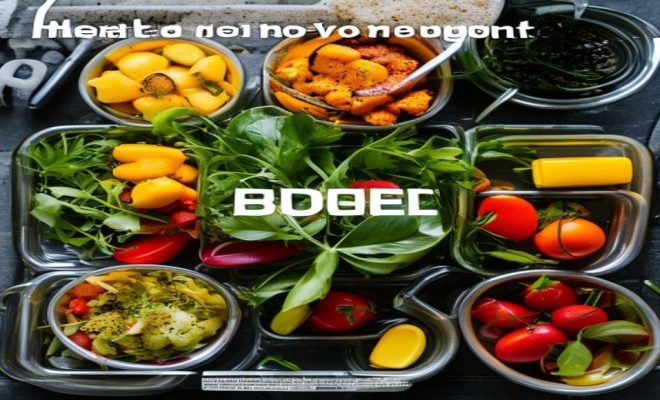
“`html
Meal prepping is a fantastic way to save time, reduce food waste, and maintain a healthy diet. But if you’re on a tight budget, the idea of meal prep can feel overwhelming. How can you prepare nutritious meals without breaking the bank? This guide will walk you through ten effective strategies for budget meal prep that will not only keep your wallet happy but also lead to healthier eating habits.
1. Plan Your Meals: Start with a Strategy
The cornerstone of effective budget meal prep is a solid meal plan. Before you even think about grocery shopping, take some time to outline the meals you want to prepare for the week. This doesn’t just mean dinner; consider breakfast, lunch, and snacks too. Use a simple template or app to jot down ideas. Aim for recipes that use similar ingredients to minimize waste.
Think about flexible recipes that allow for ingredient swaps based on what’s on sale. For example, if chicken is cheaper than beef that week, adjust your meals accordingly. Planning your meals carefully will save time and reduce the number of trips to the grocery store, which can lead to impulse buys and overspending.
2. Shop Smart: Use Sales and Coupons
When it comes to budget meal prep, savvy shopping can significantly lower your grocery bill. Check local grocery store flyers for sales and use coupons whenever possible. Many stores offer loyalty programs that provide additional discounts or points on future purchases. Take advantage of these offers to stretch your budget further.
Additionally, consider shopping at discount stores or local farmers’ markets. They often have fresh produce at lower prices. Remember, buying bulk can also be a money-saver, especially for non-perishable items like rice, beans, and lentils.
3. Focus on Whole Foods: The Cost-Effective Ingredients
Processed foods often come with higher price tags due to packaging and marketing costs. Instead, prioritize whole foods like fruits, vegetables, whole grains, and lean proteins. These foods are not only more affordable but also healthier. Whole foods can be used in numerous recipes, making them versatile and economical.
For instance, consider purchasing whole grains like brown rice or quinoa in bulk. These grains can serve as a base for multiple meals, and when paired with beans and seasonal vegetables, they create nutritious, filling dishes without a hefty price tag.
4. Cook in Batches: Efficiency is Key
Batch cooking is one of the most effective strategies for budget meal prep. Select a day each week to prepare large quantities of food that can be divided into individual portions. This method saves time and ensures you have ready-to-eat meals throughout the week.
Consider soups, stews, and casseroles — they tend to yield a lot of servings and can be easily frozen for later use. By cooking in bulk, you minimize the energy costs associated with cooking multiple times a week, and you also reduce food waste by using up ingredients before they spoil.
5. Invest in Quality Containers: Store It Right
Once you’ve prepared your meals, proper storage is crucial to keep them fresh and delicious. Invest in high-quality, airtight containers that can be reused over and over. Glass containers are an excellent choice as they are durable, microwave safe, and help keep food fresher for longer periods.
Label each container with the meal and date it was prepared to keep track of freshness. This will help you avoid eating spoiled food and ensure that you enjoy every bite of your budget meal prep. Proper storage will also make it easier to grab meals on busy days, ensuring you stick to your healthy eating goals.
6. Use Leftovers Wisely: Reduce Waste
Leftovers are a fantastic way to save money and effort in meal prep. Instead of cooking a whole new meal each night, use the leftovers from dinner for lunch the next day. You can also reinvent leftovers by transforming them into new dishes. For example, roasted vegetables can be mixed into a frittata or added to a grain bowl. (See: Nutrition guidelines from the CDC.)
Get creative! If you have leftover chicken, toss it into a salad or wrap. This not only reduces food waste but also saves time on your meal prep. By thinking outside the box, you can ensure that every ingredient is utilized, which is a crucial aspect of budget meal prep.
7. Seasonal Eating: Take Advantage of Nature’s Bounty
Seasonal eating is an excellent way to save money while enjoying the freshest flavors. Fruits and vegetables that are in season are usually cheaper and tastier than those that have been shipped from afar. Research which foods are in season in your area and incorporate them into your meal plan.
For instance, consider hearty vegetables like squash and potatoes in the fall, or fresh berries and tomatoes in the summer. These ingredients can elevate your meals, making them more enjoyable without adding significant costs. Plus, they often come with less environmental impact, as they don’t require long transportation times.
8. Keep It Simple: Don’t Overcomplicate Meals
When planning your budget meal prep, simplicity is your friend. Stick to recipes with minimal ingredients that are easy to prepare. Not only will they save you time and money, but they can also help you avoid the overwhelm that often comes with complicated meals.
One-pot meals, sheet pan dinners, and slow cooker recipes are great options. They require less cooking knowledge and usually yield delicious results with little effort. The simpler the meals are, the more likely you are to stick with your meal prep routine, leading to long-term success in maintaining a budget-friendly diet.
9. Get Inspired: Use Online Resources
The internet is brimming with inspiration for budget meal prep. There are countless blogs, YouTube channels, and social media accounts dedicated to cooking on a budget. These resources often share tips, tricks, and affordable recipes that can help you enhance your meal prep game.
Consider following meal prep influencers or joining online communities focused on budget cooking. Sharing ideas and recipes with others can motivate you and introduce you to new flavors and techniques that can make your budget meal prep more exciting.
10. Evaluate and Adjust: Learn What Works
Finally, take the time to evaluate your budget meal prep routine regularly. Did you stick to your meal plan? What ingredients went to waste? Which meals did you enjoy the most? By reflecting on these questions, you can make necessary adjustments to enhance your approach.
Over time, you’ll find what works best for your schedule, preferences, and budget. Remember, meal prep is a flexible process, and it can evolve as your needs change. The more you practice, the better you’ll become at crafting meals that satisfy both your stomach and your wallet.
11. Utilize Freezing Techniques: Preserve Your Meals
One of the best ways to extend the life of your budget meal prep is by utilizing freezing techniques. Freezing meals can prevent spoilage and allow you to enjoy your favorite dishes weeks later. Invest in freezer-safe containers or resealable bags to store your meals efficiently.
When freezing meals, consider portion sizes. Instead of freezing a large casserole, divide it into individual portions that can be easily thawed and reheated. Soups, stews, and cooked grains freeze particularly well, preserving their flavors and nutrients. Just remember to label each container with the contents and freezing date, so you can easily keep track of what you have on hand.
12. Incorporate Plant-Based Proteins: Cost-Effective and Nutritious
Switching to plant-based proteins can be a budget-friendly alternative to meat. Beans, lentils, and chickpeas are excellent sources of protein and are often significantly cheaper than their animal counterparts. Incorporating these ingredients into your meals can help reduce your overall grocery costs while providing essential nutrients.
For example, a hearty lentil soup can be made for a fraction of the cost of a beef stew. Plus, plant-based proteins are versatile and can be used in various dishes, from salads to tacos. You can also experiment with tofu or tempeh, which can be great substitutes in many recipes. They absorb flavors well and can enhance your meals without adding much expense. (See: Healthy eating resources from NIH.)
13. Use Spices and Herbs: Elevate Your Dishes
Sometimes, it’s not just about the ingredients you use, but how you prepare them. Spices and herbs can transform even the simplest meals into something special. Investing in a basic collection of dried herbs and spices can vastly improve the flavor of your meals without adding significant costs.
Common spices like cumin, paprika, garlic powder, and dried herbs such as oregano and thyme can make your dishes more flavorful. Consider making your own spice blends at home; this can be a fun activity and helps ensure you have just the right mix for your meals. Plus, using spices to enhance your dishes can make even the most budget-friendly ingredients taste gourmet.
14. Rotate Your Menu: Keep Things Fresh
To avoid meal prep burnout, consider rotating your menu every few weeks. While it’s essential to stick to budget-friendly ingredients, eating the same meals week after week can lead to disinterest and frustration. By mixing up your recipes and trying new combinations, you can keep your meal prep exciting.
Try to incorporate a new recipe each week or designate certain weeks for themed cooking, such as “Mexican Week” or “Italian Week.” This not only adds variety to your diet but also makes budget meal prep more enjoyable, encouraging you to stick to your healthy eating goals.
15. Engage Family and Friends: Make It a Group Effort
Meal prepping can be even more fun and economical when done with family or friends. Consider organizing a meal prep party where everyone contributes ingredients or expertise. By pooling resources, you can create larger quantities of food, saving time and money while fostering a sense of community.
Additionally, working together means sharing recipes and techniques, which can help everyone improve their meal prep skills. You can also swap meals or portion sizes, introducing variety into each other’s diets without breaking the bank.
16. Frequently Asked Questions (FAQ)
Q: What are some budget-friendly meal prep ideas?
A: Some great budget-friendly meal prep ideas include hearty vegetable soups, grain bowls with beans and seasonal vegetables, stir-fries with frozen veggies, and pasta dishes using canned tomatoes and affordable proteins like eggs or legumes.
Q: How can I avoid food waste during meal prep?
A: To minimize food waste, plan your meals around ingredients that you can use in different recipes. Store leftovers creatively and use ingredients that are close to their expiration date first. Freezing excess food is also a great way to extend its shelf life.
Q: Are there specific tools I need for meal prepping?
A: While you don’t need fancy tools, having a good set of containers, a sharp knife, cutting boards, and basic kitchen utensils can significantly improve your meal prep efficiency. Additionally, a slow cooker or instant pot is helpful for batch cooking.
Q: How long can I store my meal prep in the fridge?
A: Generally, most cooked meals can be stored in the refrigerator for about 3 to 4 days. If you want to keep meals longer, consider freezing them, where they can last for several months.
Q: Is meal prepping only for single people or busy professionals?
A: Not at all! Meal prepping can be beneficial for families, students, or anyone looking to save time and money while maintaining a healthy diet. It allows everyone to have ready-made meals that fit their dietary preferences.
Q: Can I make meal prep work with dietary restrictions?
A: Absolutely! Meal prepping can be tailored to meet various dietary restrictions. Whether you’re vegetarian, vegan, gluten-free, or have other specific needs, you can plan meals that fit your requirements without compromising on flavor or nutrition.
17. Budget Meal Prep for Families: Tips for Larger Groups
If you’re meal prepping for a family, the stakes can feel higher. You want to ensure everyone is satisfied while sticking to a budget. Start with family-friendly meals that make plenty of servings. Dishes like casseroles or large pots of chili can easily be scaled up. This not only ensures everyone is full but also maximizes your grocery budget.
Consider having a family meeting to discuss likes and dislikes regarding meals; this can help you avoid waste and ensure everyone has something they enjoy. Moreover, involve kids in the meal prep process. It can be a fun activity and teach them valuable cooking skills. Plus, they’re more likely to eat what they helped make!
18. Meal Prep for Special Diets: Tailoring for Needs
Adjusting your meal prep to fit special diets can sometimes feel tricky, but it’s definitely manageable. For example, if you’re following a keto diet, focus on prepping meals that are high in healthy fats and low in carbohydrates. Dishes like zucchini noodles with a rich avocado sauce can be both delightful and budget-friendly.
If you’re gluten-free, consider prepping meals centered around quinoa, rice, or gluten-free pasta. Include lots of vegetables and lean proteins to round out your meals. There are endless resources online tailored to specific dietary needs, so you won’t be short on ideas.
19. Track Your Spending: Stay Within Your Budget
Keeping an eye on your spending can make a considerable difference in how effectively you can stick to your budget meal prep. Start by tracking your grocery expenses each week and compare them to your meal plans. This will help you identify areas where you might be overspending or wasting money.
Consider using budgeting apps to keep your finances organized and in check. Over time, you’ll gain a better understanding of where your money goes, allowing you to adjust accordingly. A little awareness can go a long way in ensuring that your meal prep remains both budget-friendly and satisfying.
20. Final Thoughts on Budget Meal Prep
Implementing these ten strategies for budget meal prep can help you create a sustainable, healthy, and cost-effective eating plan. By focusing on meal planning, smart shopping, and creativity, you can enjoy nutritious meals without the financial stress. So roll up your sleeves, gather your ingredients, and start prepping your way to a healthier lifestyle today!
“`
Trending Now
Frequently Asked Questions
How can I meal prep on a budget?
To meal prep on a budget, start by planning your meals for the week to minimize waste and reduce grocery trips. Shop smart by using sales, coupons, and loyalty programs, and focus on whole foods rather than processed items to save money.
What are some budget-friendly meal prep ideas?
Budget-friendly meal prep ideas include recipes using inexpensive ingredients like rice, beans, lentils, and seasonal vegetables. Aim for meals that can be easily customized based on sales, ensuring you get the most value for your money.
Is meal prepping worth it for saving money?
Yes, meal prepping can save money by reducing food waste and minimizing impulse purchases. By planning meals and shopping smart, you can create nutritious meals that fit your budget and help you avoid costly last-minute dining options.
What should I buy for budget meal prep?
For budget meal prep, buy whole foods such as grains, legumes, seasonal produce, and protein sources like eggs or chicken. Focus on items that are versatile and can be used in multiple recipes to maximize your budget.
How do I plan meals for a week on a budget?
To plan meals for a week on a budget, outline your meals for breakfast, lunch, and dinner, incorporating similar ingredients to reduce waste. Use a meal planning template or app and adjust recipes based on local sales to save money.
Have you experienced this yourself? We'd love to hear your story in the comments.